
Opioid MIniseries Part IV: Harm Reduction

Opioid MIniseries Part IV: Harm Reduction

PRACTICE RECOMMENDATIONS

1. Patients who abuse opioids should be managed without judgement; addiction is a medical condition and not a moral failing. Caregivers should endeavor to meet patients "where they are," infusing empathy and understanding into the patient/medical provider relationship.

2. Every emergency clinician should be well-versed in the safe injection of heroin and other intravenous (IV) drugs, and understand the practical steps for minimizing the dangers of overdose, infection, and other complications. When treating patients with complications of IV drug use, injection habits should be discussed and instruction should be given about safe practices.

3. Emergency department patients who inject drugs should be referred to local syringe access programs, where they can obtain sterile injection materials and support services such as counseling, HIV/hepatitis testing, and referrals.

4. Emergency departments should provide naloxone to high-risk patients at discharge. If the drug is unavailable at the time of release, patients should receive a prescription and be informed about the over-the-counter availability of the drug in most Colorado pharmacies.

5. Emergency clinicians should be familiar with Colorado's regulations pertaining to naloxone. State laws eliminate liability risk for prescribing the drug, encourage good samaritan reporting of overdose, and make naloxone legal and readily available over the counter in most pharmacies.

6. Emergency department patients who receive prescriptions for opioids should be educated on their risks, safe storage methods, and the proper disposal of leftover medications.

POLICY RECOMMENDATIONS

1. Harm reduction agencies and community programs that provide resources for people who inject drugs (PWID) should be made readily available.

2. When local programs are unavailable for PWID, emergency departments should establish their own programs to provide services such as safe syringe exchanges.

Episoder(1145)

Podcast # 358: Affordable ear drop alternatives

Podcast # 358: Affordable ear drop alternatives

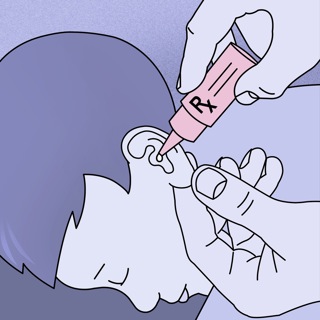
Author: Erik Verzemnieks, MD Educational Pearls: Otic (ear) specific antibiotic drops can be expensive Opthalmic (eye) versions are basically identical and can be used as an affordable substitute...

27 Jul 20181min

Podcast #357: Local Anesthetic Toxicity

Podcast #357: Local Anesthetic Toxicity

Author: Michael Hunt, MD Educational Pearls: Toxicity happens from local anesthetics being given too fast, too much, or in the unintended spot Systemic toxicity manifests first with neurologic sy...

25 Jul 20184min

Podcast # 356: Babies can't be born addicted

Podcast # 356: Babies can't be born addicted

Author: Don Stader, MD. Educational Pearls: A baby can be born dependent on opioids but not addicted to them. Opioid addiction (Opioid Use Disorder) is a disease of mature brains and is character...

23 Jul 20184min

Podcast #355: Syphilis

Podcast #355: Syphilis

Author: Aaron Lessen, MD Educational Pearls: Re-emerging STI. Progresses through distinct phases if untreated: Primary syphilis: frequently overlooked because initial chancre is painless. Sec...

20 Jul 20183min

Podcast # 354: Hematometra

Podcast # 354: Hematometra

Author: Sam Killian, MD Educational Pearls: Hematometra: uterus filled with blood due to obstruction of outflow tract. Most commonly a result congenital abnormalities (imperforate hymen, transverse...

18 Jul 20184min

Podcast # 353: Xofluza

Podcast # 353: Xofluza

Author: Sam Killian, MD Educational Pearls: Japan recently approved baloxavir marboxil (Xofluza), which may potentially "kill" Flu A/B within 24 hours Recent RCT trial showed superiority over oselt...

16 Jul 20183min

Podcast #352: TXA for Epistaxis

Podcast #352: TXA for Epistaxis

Podcast #352: TXA for Epistaxis Author: Chris Holmes, M.D. Educational Pearls: TXA: tranexamic acid; used in control of bleeding in major trauma, postpartum hemorrhage, etc. In study of 216 pati...

13 Jul 20183min
Podcast #351: Indications for AICD

Podcast #351: Indications for AICD

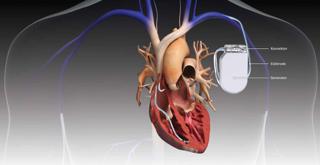
Author: Pete Bakes, MD Educational Pearls: AICD: Automated Implantable Cardioverter-Defibrillator. Can be placed for secondary prevention of cardiac arrest (i.e. history of cardiac arrest not fr...

11 Jul 20184min

Populært innen Vitenskap

fastlegen
tingenes-tilstand
rekommandert
jss
rss-nysgjerrige-norge
rss-rekommandert
sinnsyn
forskningno
rss-paradigmepodden
villmarksliv
vett-og-vitenskap-med-gaute-einevoll
fjellsportpodden
nordnorsk-historie
smart-forklart
rss-overskuddsliv
diagnose
abid-nadia-skyld-og-skam
aldring-og-helse-podden
pod-britannia
tidlose-historier