Podcast 552: PE Management and Risk Stratification

Podcast 552: PE Management and Risk Stratification

Contributor: Dylan Luyten, MD

Educational Pearls:

  • After you diagnose a pulmonary embolism (PE) via CT or VQ scan, we need to categorize the PE as massive, sub-massive, or just PE to dictate treatment.
  • Massive PE: shock with hypotension due to an embolism, and the treatment of choice is thrombolysis with IV tPA with anticoagulation after lysis. Catheter thrombolysis is not used in the hemodynamically unstable patient but can be done after they are stable.
  • Sub-massive: signs of right heart strain/failure but hemodynamically stable. This can be EKG changes, positive biomarkers, or imaging findings. These patients can be treated with IV heparin as there may benefit from catheter directed thrombolysis which has been shown to lead to better functional outcomes.
  • Everything else can be stratified to determine whether inpatient even outpatient treatment is necessary
  • Pulmonary Embolism Severity Index (PESI) or Hestia criteria and can help determine if the patient is better suited for in or outpatient management.
  • Non massive or sub-massive PEs are treated with heparin/Lovenox bridged to Warfarin, a factor Xa inhibitor (ex. Xarelto), or direct oral anticoagulants (DOAC).

Editor's note: intravenous heparin is preferable to other anticoagulants when considering interventional radiology as it can be shut off and/or reversed if necessary prior to procedure

References

1. Sista, A. et al. Stratification, Imaging, and Management of Acute Massive and Submassive Pulmonary Embolism. 2017 Jul;284(1):5-24

2. Aujesky D, Obrosky DS, Stone RA, Auble TE, Perrier A, Cornuz J, Roy PM, Fine MJ. Derivation and validation of a prognostic model for pulmonary embolism. Am J Respir Crit Care Med. 2005 Oct 15;172(8):1041-6

3. Jimenez, D. et al. Risk stratification of patients with acute symptomatic pulmonary embolism. Intern Emerg Med. 2016 Feb;11(1):11-8.

Summarized by Jackson Roos, MS3 | Edited by Erik Verzemnieks, MD


Episoder(1146)

Podcast #319: Cardiac Arrest Survival Factors

Podcast #319: Cardiac Arrest Survival Factors

Author: Aaron Lessen, MD Educational Pearls: Shockable rhythms like V-fib or V-tach have a better prognosis than patients with PEA or asystole. Recent study has shown an initial electrical freque...

20 Apr 20182min
Podcast #318: Nystagmus

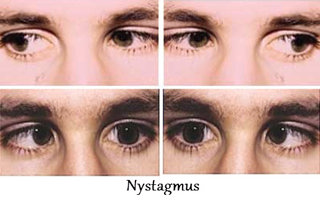
Podcast #318: Nystagmus

Author: Erik Verzemnieks, M.D. Educational Pearls: ● Common causes of nystagmus: Congenital disorders, CNS diseases (MS, CVA), Intoxication ● Drugs associated (ETOH, Ketamine, PCP, SSRI, MDMA, Lit...

13 Apr 20181min
Podcast #317: Elbow Dislocation

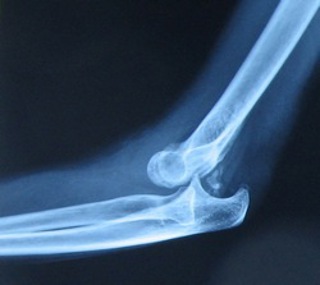
Podcast #317: Elbow Dislocation

Author: John Winkler, M.D. Educational Pearls: ● Lower mechanisms of injury have a lower chance of an associated fracture or major ligament injury ● One major concern is having a fracture fragment i...

11 Apr 20182min

Podcast #316: Abnormalities in Alcohol Intoxication

Podcast #316: Abnormalities in Alcohol Intoxication

Author: Michael Hunt, M.D. Educational Pearls: 1% of patients presenting to ED with alcohol intoxication end up going to the ICU Most common critical illnesses were acute hypoxic respiratory fail...

9 Apr 20183min

Podcast #315: Retropharyngeal Infections in Pediatrics

Podcast #315: Retropharyngeal Infections in Pediatrics

Author: Dr. Karen Woolf, MD Educational Pearls: Anatomy : base of skull to posterior mediastinum, anteriorly bounded by middle layer of deep cervical fascia and posteriorly by the deep layer, communi...

6 Apr 20186min

Podcast #314: Psychogenic nonepileptic seizures (PNES)

Podcast #314: Psychogenic nonepileptic seizures (PNES)

Author: Gretchen Hinson, M.D. Educational Pearls: PNES vs. epilepsy: postictal state is diagnostic of an epileptic seizure (sonorous respirations and/or confusion, lasting typically 20-30 minutes);...

4 Apr 20185min

Podcast #313: Flu Screening

Podcast #313: Flu Screening

Author: Dr. Peter Bakes Educational Pearls: High risk patients: underlying lung disease, immunocompromised, extremes of age (65), underlying cardiac/renal/neurologic disease, and pregnant women Testi...

2 Apr 20187min
Podcast #312: SCIWORA

Podcast #312: SCIWORA

Author: Sam Killian, M.D. Educational Pearls: Spinal cord injury without radiographic abnormality (SCIWORA) is a diagnosis defined as traumatic injury to spine with clinical sx of traumatic myelopa...

30 Mar 20184min

Populært innen Vitenskap

fastlegen
rekommandert
tingenes-tilstand
jss
rss-rekommandert
liberal-halvtime
villmarksliv
sinnsyn
rss-paradigmepodden
forskningno
fjellsportpodden
nevropodden
rss-nysgjerrige-norge
vett-og-vitenskap-med-gaute-einevoll
diagnose
dekodet-2
smart-forklart
abid-nadia-skyld-og-skam
rss-lundqvist-podden
hva-er-greia-med