

Podcast 552: PE Management and Risk Stratification

Podcast 552: PE Management and Risk Stratification

Contributor: Dylan Luyten, MD

Educational Pearls:

  • After you diagnose a pulmonary embolism (PE) via CT or VQ scan, we need to categorize the PE as massive, sub-massive, or just PE to dictate treatment.
  • Massive PE: shock with hypotension due to an embolism, and the treatment of choice is thrombolysis with IV tPA with anticoagulation after lysis. Catheter thrombolysis is not used in the hemodynamically unstable patient but can be done after they are stable.
  • Sub-massive: signs of right heart strain/failure but hemodynamically stable. This can be EKG changes, positive biomarkers, or imaging findings. These patients can be treated with IV heparin as there may benefit from catheter directed thrombolysis which has been shown to lead to better functional outcomes.
  • Everything else can be stratified to determine whether inpatient even outpatient treatment is necessary
  • Pulmonary Embolism Severity Index (PESI) or Hestia criteria and can help determine if the patient is better suited for in or outpatient management.
  • Non massive or sub-massive PEs are treated with heparin/Lovenox bridged to Warfarin, a factor Xa inhibitor (ex. Xarelto), or direct oral anticoagulants (DOAC).

Editor's note: intravenous heparin is preferable to other anticoagulants when considering interventional radiology as it can be shut off and/or reversed if necessary prior to procedure

References

1. Sista, A. et al. Stratification, Imaging, and Management of Acute Massive and Submassive Pulmonary Embolism. 2017 Jul;284(1):5-24

2. Aujesky D, Obrosky DS, Stone RA, Auble TE, Perrier A, Cornuz J, Roy PM, Fine MJ. Derivation and validation of a prognostic model for pulmonary embolism. Am J Respir Crit Care Med. 2005 Oct 15;172(8):1041-6

3. Jimenez, D. et al. Risk stratification of patients with acute symptomatic pulmonary embolism. Intern Emerg Med. 2016 Feb;11(1):11-8.

Summarized by Jackson Roos, MS3 | Edited by Erik Verzemnieks, MD


Episoder(1146)

Podcast 664: Rabies Prophylaxis

Podcast 664: Rabies Prophylaxis

Contributor: Jared Scott, MD Educational Pearls: 1-3 cases of rabies per year in US with 55,000 people per year receiving rabies prophylaxis 90% of rabies cases come from wildlife, most commonly by ...

27 Apr 20215min

Podcast 663:  Down Syndrome

Podcast 663: Down Syndrome

Contributor:  Alicia Oberle, MD Educational Pearls: Down Syndrome with Trisomy 21 have three copies of chromosome 21 Current birth rates are around 1 in 700 births  Average life span 25 years in 1980...

26 Apr 20213min
UnfilterED #13: Dr. Nadia Tremonti

UnfilterED #13: Dr. Nadia Tremonti

This week's episode features a fascinating conversation with Dr. Nadia Tremonti, medical director for the pediatric palliative care program at Children's Hospital of Michigan in Detroit. Dr. Tremonti ...

22 Apr 20211h 3min

Podcast 662: Droperidol for Sedation

Podcast 662: Droperidol for Sedation

Contributor:  Aaron Lessen, MD Educational Pearls: Droperidol for sedation in agitated patients in the emergency department was studied compared to ziprasidone (Geodon) and lorazepam (Ativan) Double-...

21 Apr 20213min
Podcast 661: Scalded Skin Syndrome

Podcast 661: Scalded Skin Syndrome

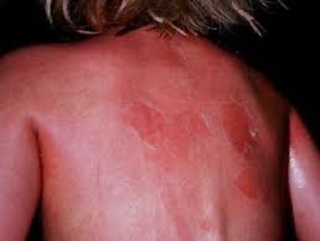
Contributor:  Ricky Dhaliwal, MD Educational Pearls: Primarily affects children Caused by staph aureus releasing exotoxins that result in erythema and sloughing of the skin Present with significant ...

20 Apr 20212min
Podcast 660: Rhabdomyolysis

Podcast 660: Rhabdomyolysis

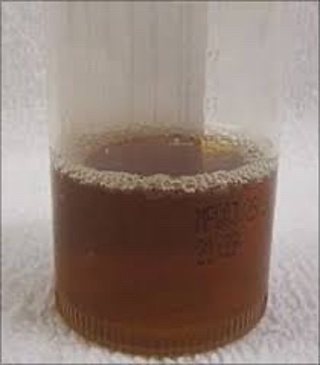
Contributor: Ricky Dhaliwal, MD Educational Pearls: Rhabdomyolysis occurs when high levels of myoglobin are released from dying muscle tissue into the blood Severe levels of myoglobin cause renal in...

19 Apr 20215min
Podcast 659: Racial Bias in Pulse Oximetry

Podcast 659: Racial Bias in Pulse Oximetry

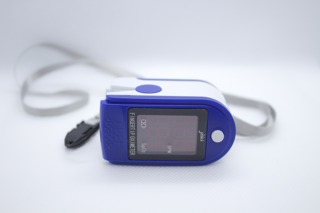
Contributor:  Aaron Lessen, MD Educational Pearls: Study in NEJM looked at occult hypoxemia, when oxygen saturation reads at >92% when the actual saturation is Rate of occult hypoxemia was 3 times h...

14 Apr 20213min
Podcast 658: Febrile Seizures

Podcast 658: Febrile Seizures

Contributor: Peter Bakes, MD Educational Pearls: Febrile Seizure clinical criteria 6 months - 5 years of age Rapid rise in temp No preexisting seizure disorder No other explanation for the seizure...

13 Apr 20214min

Populært innen Vitenskap

fastlegen
rekommandert
jss
tingenes-tilstand
rss-rekommandert
villmarksliv
liberal-halvtime
sinnsyn
forskningno
rss-paradigmepodden
fjellsportpodden
nevropodden
rss-nysgjerrige-norge
diagnose
vett-og-vitenskap-med-gaute-einevoll
abid-nadia-skyld-og-skam
tidlose-historier
dekodet-2
smart-forklart
hva-er-greia-med