

Podcast 555:  Anticoagulation vs. Antiplatelet

Podcast 555: Anticoagulation vs. Antiplatelet

Contributor: Don Stader, MD

Educational Pearls:

  • When do we give antiplatelet drugs or anti-coagulation drugs?
    • Arterial issues get antiplatelet therapy
    • Venous issues, or slow flow states, get anticoagulation therapy.
  • High flow areas (arteries) are more prone to platelet clotting while the venous system is more prone to allowing blockages caused by coagulation factors.
  • The main side effect with antiplatelet and anticoagulants is bleeding. Typically antiplatelet drugs cause more bleeding issues because platelets are made in the bone marrow, while coagulation factors are made in the liver, so it takes longer for the bone marrow to replete platelets versus the liver which is a fast synthesizer of clotting factors.
  • Reversal of antiplatelet drugs can take a while, so patients on these drugs (ex. Plavix) may need a week of withholding the drug to get surgery, while anti-coagulation drugs (ex. Xarelto) can be stopped a day or two prior to surgery.

References

1. Altiok, E. Marx, N. Oral Anticoagulation: Update on Anticoagulation With Vitamin K Antagonists and Non–Vitamin K–Dependent Oral Anticoagulants. Dtsch Arztebl Int. 2018 Nov; 115(46): 776–783. Published online 2018 Nov 16. doi: 10.3238/arztebl.2018.0776

2. Kapil, N. Et al. Antiplatelet and Anticoagulant Therapies for Prevention of Ischemic Stroke.

Clin Appl Thromb Hemost. 2017 May;23(4):301-318. doi: 10.1177/1076029616660762. Epub 2016 Jul 26.

3. Ostergaard, L. Fosbol EL. Roe MT. The Role of Antiplatelet Therapy in Primary Prevention. A Review. Curr Pharm Des. 2017;23(9):1294-1306. doi: 10.2174/1381612822666161205115540.

Summarized by Jackson Roos, MS3 | Edited by Erik Verzemnieks, MD


Episoder(1146)

Podcast 703: Fever in Infants

Podcast 703: Fever in Infants

Contributor: Neil Cella, MD  Educational Pearls: 10% of patients 100.4) have an serious bacterial infection Most of these are UTIs, but also consider pneumonia and meningitis Requires CXR, LP, lab...

10 Aug 20215min
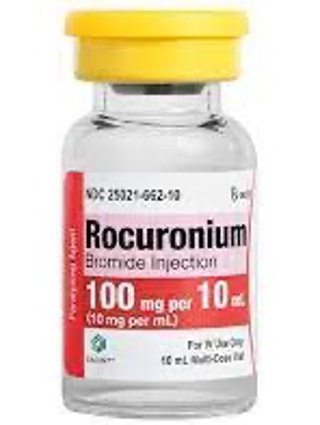
Podcast 702: Paralytic Awareness

Podcast 702: Paralytic Awareness

Contributor: Aaron Lessen, MD Educational Pearls: Known risk factors for being awake and paralyzed in the OR include only receiving IV medications, long-acting paralytics, and no formal monitoring sy...

9 Aug 20212min

Podcast 701: Elevated Blood Pressure Readings

Podcast 701: Elevated Blood Pressure Readings

Contributor: Aaron Lessen, MD Educational Pearls: Recent retrospective cohort study looked at elevated BP readings in the ED and correlation to underlying hypertension Large cohort of over 30,000 pat...

3 Aug 20213min
Podcast 700: Analgesics for Acute Musculoskeletal Pain

Podcast 700: Analgesics for Acute Musculoskeletal Pain

Contributor: Aaron Lessen, MD Educational Pearls: Recent RCT compared pain relief in patients receiving five medications for acute musculoskeletal pain Acetaminophen 1000mg/ibuprofen 400 mg Acetam...

2 Aug 20212min
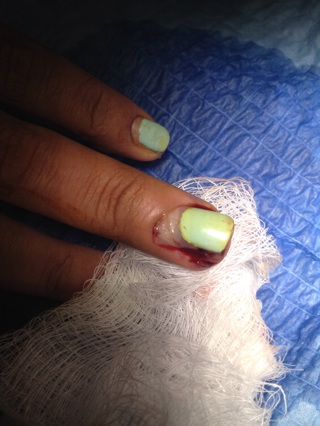
Podcast 699: Pediatric Fingernail Avulsions

Podcast 699: Pediatric Fingernail Avulsions

Contributor: Aaron Lessen, MD Educational Pearls: Traditionally, fingernails were replaced after avulsion using sutures Sometimes artificial material was placed when the fingernail was not available ...

28 Jul 20213min

Podcast 698: Empathy, Burnout, and Patient Satisfaction

Podcast 698: Empathy, Burnout, and Patient Satisfaction

Contributor: Aaron Lessen, MD Educational Pearls: Survey of EM physicians to self-report empathy and burnout levels and correlated with patient satisfaction scores Patient satisfaction was not affect...

27 Jul 20212min
Podcast 697: Kounis Syndrome

Podcast 697: Kounis Syndrome

Contributor: Aaron Lessen, MD Educational Pearls: Kounis syndrome is an allergic acute coronary syndrome Triggers include medications (antibiotics), insect bites, or other common allergens Believed t...

26 Jul 20213min
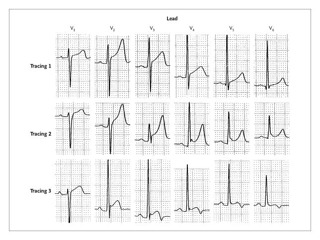
Podcast 696: ST Elevation and Differential Diagnoses

Podcast 696: ST Elevation and Differential Diagnoses

Contributor: Peter Bakes, MD Educational Pearls: ST elevation clinical guidelines for myocardial infarction include: 2.5 mm elevation for males 2 mm elevation in males >40 in V2 and V3 1.5 mm elev...

21 Jul 20214min

Populært innen Vitenskap

fastlegen
rekommandert
jss
tingenes-tilstand
rss-rekommandert
villmarksliv
liberal-halvtime
sinnsyn
forskningno
rss-paradigmepodden
fjellsportpodden
nevropodden
rss-nysgjerrige-norge
diagnose
vett-og-vitenskap-med-gaute-einevoll
abid-nadia-skyld-og-skam
tidlose-historier
dekodet-2
smart-forklart
hva-er-greia-med