Podcast 557:  COVID-19 Lab Trends

Podcast 557: COVID-19 Lab Trends

Contributor: Don Stader, MD

Educational Pearls:

  • COVID-19 is diagnosed with a nasopharyngeal swab (q-tip). This unfortunately can be painful, but if the swab doesn't go deep into the nasal cavity the sample can be inadequate leading to false negatives (missed infections).
  • The sensitivity of the COVID-19 RT PCR test is low, ranging from 66-80% in various studies. Another study has shown 23% of patients who initially tested negative but had COVID-19 symptoms will test positive when re-tested. So test highly suspicious patients twice.

  • COVID has shown to have an effect on CBC. White blood cell counts are often normal (no leukocytosis), but there is often lymphopenia, or low lymphocytes, and thrombocytopenia. Interestingly, low platelets have appeared to have prognostic value in that lower platelets often indicate worse patient outcomes.
  • Coagulation studies are showing very elevated D-Dimers which has sparked the debate as to whether COVID-19 causes a hypercoagulable state. The increased incidence of MI/heart attacks and strokes in COVID patients supports this argument.
  • While D-Dimers can help point towards a diagnosis of pulmonary embolism, in the setting of highly likely COVID-19 infections, getting a CTA looking for a PE is probably unnecessary unless there's also suspicion for PE.
  • C-reactive protein (CRP) and procalcitonin are two common inflammatory markers. A CRP can help indicate how sick a patient is and procalcitonin can help determine if the infection is bacterial or viral in nature.
  • CRP levels are often elevated in COVID patients, and studies are showing a high CRP is linked to worse patient outcomes.
  • Elevations in procalcitonin can be used to see if there's a concomitant bacterial infection, meaning patients need antibiotics in addition to supportive care for the COVID-19.
  • Flu season is coming to a close, but data has shown a 5-10% co-infection rate of COVID-19 with influenza. As expected patient outcomes have been worse in those with both infections.

References

1) Farkas, Josh. "COVID-19." EMCrit Project, 21 Apr. 2020, emcrit.org/ibcc/covid19/#labs.

2) Guan W. et al. Clinical Characteristics of Coronavirus Disease 2019 in China. February 28, 2020, updated on March 6, 2020, at NEJM.org. DOI: 10.1056/NEJMoa2002032

3)Young BE, Ong SWX, Kalimuddin S, et al. Epidemiologic Features and Clinical Course of Patients Infected With SARS-CoV-2 in Singapore. JAMA. 2020;323(15):1488–1494. doi:10.1001/jama.2020.3204

4) Wang M. et al. Clinical diagnosis of 8274 samples with 2019-novel coronavirus in Wuhan. medRxiv 2020.02.12.20022327; doi: https://doi.org/10.1101/2020.02.12.20022327

Summarized by Jackson Roos, MS4 | Edited by Erik Verzemnieks, MD

Episoder(1146)

Podcast 695: Einstein and Cellophane

Podcast 695: Einstein and Cellophane

Educational Pearls: Albert Einstein had chronic abdominal pain as a middle-aged man Dr. Rudolph Nissen, founder of the Nissen fundoplication, performed exploratory surgery for this pain and found an ...

20 Jul 20213min
Podcast 694: Complete Heart Block

Podcast 694: Complete Heart Block

Contributor: Nick Hatch, MD Educational Pearls: Complete heart block or 3rd degree atrioventricular (AV) block is diagnosed via EKG and occurs when electrical signals from the sinoatrial (SA) node ar...

19 Jul 20214min
Podcast 693: Humerus Fractures

Podcast 693: Humerus Fractures

Contributor: Nick Tsipis, MD Educational Pearls: Humerus fractures can be characterized as proximal, midshaft, and distal fractures Proximal humerus fracture is the second-most common fracture in eld...

14 Jul 20217min
Podcast 692: Pelvic Fractures

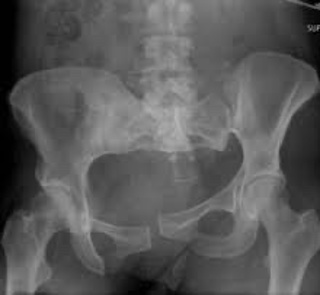
Podcast 692: Pelvic Fractures

Contributor: Peter Bakes, MD Educational Pearls: Pelvis is comprised of the iliac, ischium, and sacrum Three mechanisms for pelvic fractures by Young-Burgess Classification Anterior-posterior compr...

13 Jul 20214min

Podcast 691: TXA in Head Bleeds

Podcast 691: TXA in Head Bleeds

Contributor: Ricky Dhaliwal, MD Educational Pearls: CRASH 3 Trial looked at over 12,000 patients with traumatic intracranial bleeds, randomizing patients to a therapy with TXA or standard of care wit...

12 Jul 20212min
Podcast 690: Rectal Oxygen. Nice,

Podcast 690: Rectal Oxygen. Nice,

Contributor: Chris Holmes, MD Educational Pearls: In the 1700s, boxes lined the River Thames to pump smoke up the rectum to resuscitate people who had been found unconscious in the river Sea cucumber...

7 Jul 20213min

Podcast 689: Peri-Intubation Hypotension

Podcast 689: Peri-Intubation Hypotension

Contributor: Ricky Dhaliwal, MD Educational Pearls: Hypotension in patients requiring intubation should be resuscitated as much as possible While intubating, the negative inspiratory pressure goes aw...

6 Jul 20214min
Podcast 688: tPA Before Thrombectomy

Podcast 688: tPA Before Thrombectomy

Contributor: Aaron Lessen, MD Educational Pearls: DEVT Trial, a recent non-inferiority study, looked at giving tPA prior to endovascular thrombectomy and was stopped early because there was no benefi...

5 Jul 20212min

Populært innen Vitenskap

fastlegen
rekommandert
tingenes-tilstand
jss
rss-rekommandert
liberal-halvtime
villmarksliv
sinnsyn
rss-paradigmepodden
forskningno
fjellsportpodden
nevropodden
rss-nysgjerrige-norge
vett-og-vitenskap-med-gaute-einevoll
diagnose
dekodet-2
smart-forklart
abid-nadia-skyld-og-skam
rss-lundqvist-podden
hva-er-greia-med