Podcast 557:  COVID-19 Lab Trends

Podcast 557: COVID-19 Lab Trends

Contributor: Don Stader, MD

Educational Pearls:

  • COVID-19 is diagnosed with a nasopharyngeal swab (q-tip). This unfortunately can be painful, but if the swab doesn't go deep into the nasal cavity the sample can be inadequate leading to false negatives (missed infections).
  • The sensitivity of the COVID-19 RT PCR test is low, ranging from 66-80% in various studies. Another study has shown 23% of patients who initially tested negative but had COVID-19 symptoms will test positive when re-tested. So test highly suspicious patients twice.

  • COVID has shown to have an effect on CBC. White blood cell counts are often normal (no leukocytosis), but there is often lymphopenia, or low lymphocytes, and thrombocytopenia. Interestingly, low platelets have appeared to have prognostic value in that lower platelets often indicate worse patient outcomes.
  • Coagulation studies are showing very elevated D-Dimers which has sparked the debate as to whether COVID-19 causes a hypercoagulable state. The increased incidence of MI/heart attacks and strokes in COVID patients supports this argument.
  • While D-Dimers can help point towards a diagnosis of pulmonary embolism, in the setting of highly likely COVID-19 infections, getting a CTA looking for a PE is probably unnecessary unless there's also suspicion for PE.
  • C-reactive protein (CRP) and procalcitonin are two common inflammatory markers. A CRP can help indicate how sick a patient is and procalcitonin can help determine if the infection is bacterial or viral in nature.
  • CRP levels are often elevated in COVID patients, and studies are showing a high CRP is linked to worse patient outcomes.
  • Elevations in procalcitonin can be used to see if there's a concomitant bacterial infection, meaning patients need antibiotics in addition to supportive care for the COVID-19.
  • Flu season is coming to a close, but data has shown a 5-10% co-infection rate of COVID-19 with influenza. As expected patient outcomes have been worse in those with both infections.

References

1) Farkas, Josh. "COVID-19." EMCrit Project, 21 Apr. 2020, emcrit.org/ibcc/covid19/#labs.

2) Guan W. et al. Clinical Characteristics of Coronavirus Disease 2019 in China. February 28, 2020, updated on March 6, 2020, at NEJM.org. DOI: 10.1056/NEJMoa2002032

3)Young BE, Ong SWX, Kalimuddin S, et al. Epidemiologic Features and Clinical Course of Patients Infected With SARS-CoV-2 in Singapore. JAMA. 2020;323(15):1488–1494. doi:10.1001/jama.2020.3204

4) Wang M. et al. Clinical diagnosis of 8274 samples with 2019-novel coronavirus in Wuhan. medRxiv 2020.02.12.20022327; doi: https://doi.org/10.1101/2020.02.12.20022327

Summarized by Jackson Roos, MS4 | Edited by Erik Verzemnieks, MD

Episoder(1146)

Podcast 616: MDIs for the Win

Podcast 616: MDIs for the Win

Contributor: Aaron Lessen, MD Educational Pearls: Contrary to many assumptions, meter-dose inhalers (MDIs) are as effective as nebulizers in pediatric and adult patients Nebulizers are associated wit...

24 Nov 20203min

Podcast 615: Pediatric DKA

Podcast 615: Pediatric DKA

Contributor: Ryan Circh, MD Educational Pearls: Diabetic ketoacidosis (DKA) can be the initial presenting condition of undiagnosed diabetes type I in pediatric patients Unlike adults, children typica...

23 Nov 20205min
Podcast 614: Perichondritis

Podcast 614: Perichondritis

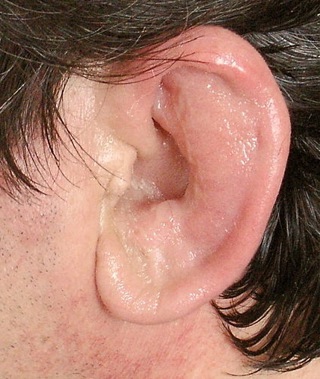
Contributor: Nick Tsipis, MD Educational Pearls: Perichondritis involves infection of not only the connective tissue of the ear but typically the cartilage as well Symptoms include erythema, ear pain...

17 Nov 20204min
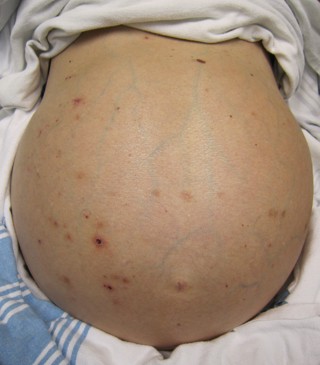
Podcast 613: Spontaneous Bacterial Peritonitis

Podcast 613: Spontaneous Bacterial Peritonitis

Contributor: Sam Killian, MD Educational Pearls: Spontaneous bacterial peritonitis (SBP) is an infection of peritoneal fluid that typically occurs in cirrhotic patients Symptoms may include abdominal...

16 Nov 20204min
Pharmacy Phriday #3: Drug Shortages in COVID

Pharmacy Phriday #3: Drug Shortages in COVID

Contributor: Rachael Waterson, PharmD Educational Pearls: Drug shortages have been an ongoing issue since the 2000's. Improvement was being made; however, several factors have exacerbated the drug s...

13 Nov 202016min

UnfilterED #11: Dr. Ricky Dhaliwal

UnfilterED #11: Dr. Ricky Dhaliwal

Dr. Tsipis sits down with colleague Dr. Ricky Dhaliwal for some insightful conversation regarding the differences between academic and community settings as well as the various roles of advocacy in me...

11 Nov 202040min
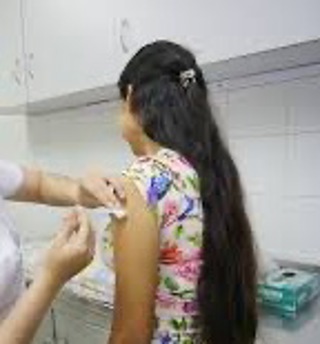
Podcast 612: Origin of Vaccines

Podcast 612: Origin of Vaccines

Contributor: Dave Rosenberg, MD Educational Pearls: The potential of vaccinations was first observed in the late 1600s when Jenner observed people who had cowpox never contracted smallpox, so he inoc...

10 Nov 20204min
Podcast 611: Flu Season in the time of COVID

Podcast 611: Flu Season in the time of COVID

Contributor: Chris Holmes, MD Educational Pearls: During a typical flu season positive rates of flu tests run around ~20% Surveillance data from Australia, South Africa, and Chile showed remarkably l...

9 Nov 20203min

Populært innen Vitenskap

fastlegen
rekommandert
tingenes-tilstand
jss
rss-rekommandert
liberal-halvtime
villmarksliv
forskningno
sinnsyn
fjellsportpodden
rss-paradigmepodden
nevropodden
rss-nysgjerrige-norge
tidlose-historier
vett-og-vitenskap-med-gaute-einevoll
diagnose
smart-forklart
pod-britannia
dekodet-2
hva-er-greia-med