Podcast 576: Status Epilepticus Drugs

Podcast 576: Status Epilepticus Drugs

Author: Charlene Gnisci Melton, PharmD

Educational Pearls:

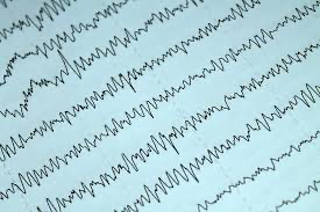
  • Status Epilepticus is defined as continuous seizure activity for >5 minutes, or 2 or more seizures without full return to consciousness between events
  • Status epilepticus is a true neurologic emergency with significant morbidity and mortality
  • Aggressive, early treatment of status epilepticus is essential as GABA receptors will regress over time and make benzodiazepines less effective as time elapses
  • Go large with doses of benzodiazepines and repeat doses if necessary: In adults this means lorazepam 4 mg IV push or Midazolam 10 mg intramuscular if no IV access
  • Second line agents include:
    • Levetiracetam (Keppra) 60 mg/kg up to 4500mg
    • Valproic Acid (40 mg/kg up to 3000 mg)
    • Keppra has an arguably better side effect profile and compatibility compared to other second-line agents
  • Third line agents include intubation and sedation with propofol, benzodiazepines, or even ketamine

Editor's note: from a time management perspective, call for your second-line treatment early to get it from pharmacy while you slam the benzodiazepines, then it will be arriving hopefully when you need it, and no harm if you don't. Oh, and don't forget a fingerstick glucose.

References

Glauser T, Shinnar S, Gloss D, et al. Evidence-Based Guideline: Treatment of Convulsive Status Epilepticus in Children and Adults: Report of the Guideline Committee of the American Epilepsy Society. Epilepsy Curr. 2016;16(1):48–61. doi:10.5698/1535-7597-16.1.48

Walker, M.C. Pathophysiology of status epilepticus. Neuroscience Letters. 2018:667:84-91. https://doi.org/10.1016/j.neulet.2016.12.044

Summarized by Jackson Roos, MS3 | Edited by Erik Verzemnieks, MD

Episoder(1146)

Podcast 627: Oxygen Like It's Hot

Podcast 627: Oxygen Like It's Hot

Contributor: Aaron Lessen, MD Educational Pearls: High flow nasal cannula (HFNC) has become more utilized with COVID pandemic Multiple studies have shown this method improves both oxygenation and ven...

4 Jan 20213min

Pharmacy Phriday #6: Tik Tok Benadryl Challenge and Diphenhydramine Toxicity

Pharmacy Phriday #6: Tik Tok Benadryl Challenge and Diphenhydramine Toxicity

Contributor: Ruben Marrero-Vasquez, PharmD Educational Pearls: ACEP and FDA have both issued warnings about the viral Tik Tok Benadryl (diphenhydramine) challenge where individuals voluntarily overdo...

1 Jan 20216min

Mental Health Monthly #6: Suicide Assessment

Mental Health Monthly #6: Suicide Assessment

EMM is excited to welcome back the hosts of Millennial Mental Health Channel podcast to explain the key points of a robust suicide assessment in the ED. Dr. Justin Romano is a third year psychiatry re...

30 Des 202016min
Podcast 626: Updated Gonorrhea Treatment

Podcast 626: Updated Gonorrhea Treatment

Educational Pearls: The CDC has made new formal recommendations for treating Gonorrhea due to increasing resistance to Rocephin and Azithromycin. New recommendations: Confirmed gonorrhea: Ceftriaxo...

29 Des 20204min

Podcast 625: High Altitude Cerebral Edema (HACE)

Podcast 625: High Altitude Cerebral Edema (HACE)

Contributor: Tom Seibert, MD Educational Pearls: High altitude cerebral edema (HACE) is the end stage of acute mountain sickness and is diagnosed when patients develop neurologic dysfunction, ataxia,...

28 Des 20202min

Podcast 624: Timing and Tips on Sepsis

Podcast 624: Timing and Tips on Sepsis

Contributor: Don Stader, MD Educational Pearls: Time can be an important factor in outcomes regarding sepsis including mortality Emphasis has grown on early administration of antibiotics and IV fluid...

22 Des 20203min
Podcast 623: Acute Mountain Sickness

Podcast 623: Acute Mountain Sickness

Contributor: Tom Seibert, MD Educational Pearls: Acute Mountain sickness (AMS) can cause headache along with fatigue, nausea, vomiting, insomnia Typically occurs above 6500 feet (not 65,000) in eleva...

21 Des 20204min

Podcast 622: High Altitude Pulmonary Edema (HAPE)

Podcast 622: High Altitude Pulmonary Edema (HAPE)

Contributor: Thomas Seibert, MD Educational Pearls: High Altitude Pulmonary Edema (HAPE) typically occurs 2-4 days after arriving at elevation Symptoms include: Fatigue Dyspnea Cough Treatment in...

15 Des 20204min

Populært innen Vitenskap

fastlegen
tingenes-tilstand
rekommandert
jss
rss-rekommandert
villmarksliv
forskningno
sinnsyn
rss-paradigmepodden
fjellsportpodden
rss-nysgjerrige-norge
vett-og-vitenskap-med-gaute-einevoll
nevropodden
diagnose
smart-forklart
nordnorsk-historie
abid-nadia-skyld-og-skam
rss-overskuddsliv
dekodet-2
tidlose-historier