

Podcast 592:  Rapid Antihypertensives

Podcast 592: Rapid Antihypertensives

Contributor: Ramnik Dhaliwal, MD, JD

Educational Pearls:

  • Nitrates
    • Nitroprusside: becomes effective in under a minute, and becomes ineffective 10 minutes after stopping it.
      • Nitroprusside can metabolize into cyanide leading to toxicity, however this is rare.
    • Nitroglycerin: predominately causes vasodilation but some arterial dilation as well; preferred agent in patients with volume overload/CHF
  • Adrenergic Blocking Agents
    • Labetalol: alpha/beta-blocking agent with a rapid onset of 5 minutes or less given as bolus or intravenous drip
    • Esmolol: cardioselective beta blocker with rapid onset and short duration of action making it easily titratable
    • Hydralazine: direct arterial dilator; patient dependent response that can be unpredictable. Use with caution in patients with CAD or an aortic dissection because there will be a reflexive increase in heart rate to combat the arteriolar dilation.
  • Calcium Channel Blockers
    • Nicardipine: Given as an IV infusion starting at 5g/hr up to 15g/hr. This drug has a slower onset of action making it difficult to titrate and it has a longer serum elimination half-life (3-6 hours)
    • Clevidipine: rapid onset and short duration of action; Reduces BP without affecting cardiac filling pressures but can cause reflex tachycardia

References

)Wani-Parekh P, Blanco-Garcia C, Mendez M, Mukherjee D. Guide of Hypertensive Crisis Pharmacotherapy. Cardiovasc Hematol Disord Drug Targets. 2017;17(1):52-57. doi:10.2174/1871529X16666161220142020

Suneja M, Sanders ML. Hypertensive Emergency. Med Clin North Am. 2017;101(3):465-478. doi:10.1016/j.mcna.2016.12.007

Maloberti A, Cassano G, Capsoni N, et al. Therapeutic Approach to Hypertension Urgencies and Emergencies in the Emergency Room. High Blood Press Cardiovasc Prev. 2018;25(2):177-189. doi:10.1007/s40292-018-0261-4

Summarized by Jackson Roos, MS4 | Edited by Erik Verzemnieks, MD


Episoder(1145)

Podcast #270: Wound Botulism

Podcast #270: Wound Botulism

Author: Don Stader, M.D. Educational Pearls Wound botulism should be considered in patients with cutaneous lesions and neuromuscular weakness. The toxin produced by clostridium botulinum is the c...

10 Nov 20173min

Podcast #269: Tattoo Ink Complications

Podcast #269: Tattoo Ink Complications

Author: Michael Hunt, M.D. Educational Pearls Tattoo ink is applied below the skin, and because of this, they can lead to keloids, granulomas, tetanus, hepatitis B and C, and skin infections. Tattoo...

8 Nov 20174min
Podcast #268: Poiseuille's Law

Podcast #268: Poiseuille's Law

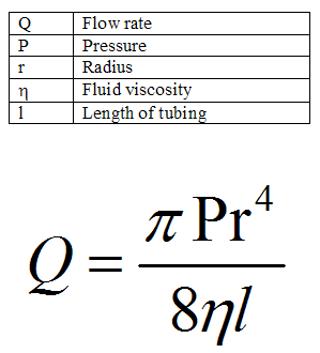
Author: Dave Rosenberg, M.D. Educational Pearls Poiseuille's Law addresses the flow of a fluid through a tube. Many common ED presentations involve alterations in flow: asthma, MI, ischemic stroke, ...

6 Nov 20176min

Podcast #267: Causes of Very High Lactate

Podcast #267: Causes of Very High Lactate

Author: Dylan Luyten, M.D. Educational Pearls Lactate is a byproduct of anaerobic metabolism, a sign of dying tissue. Dangerous causes of high lactates will not normalize with repeat labs. Crush inju...

3 Nov 20173min

Podcast #266: MI in Young Patients

Podcast #266: MI in Young Patients

Author: John Winkler, M.D. Educational Pearls Some risk factors for MI in the young are history of CAD, stimulant drug use, coronary spasm and diabetes. In those with diffuse ST elevations on EKG, th...

1 Nov 20171min
Podcast #265: The 2017 Flu Vaccine

Podcast #265: The 2017 Flu Vaccine

Author: Rachel Beham, PharmD, Advanced Clinical Pharmacist - Emergency Medicine Educational Pearls CDC recommends using the inactivated, injectable flu vaccine in those 6 months and older. The live a...

30 Okt 20174min

Podcast #264: Witnessed Cardiac Arrest

Podcast #264: Witnessed Cardiac Arrest

Author: Aaron Lessen, M.D. Educational Pearls For patients with in-hospital cardiac arrest, intubation in the 1st 15 minutes of resuscitation was associated with worse outcomes (mortality, neurologic...

27 Okt 20172min

Podcast #263: Early Antibiotics in Sepsis

Podcast #263: Early Antibiotics in Sepsis

Educational Pearls After the first hour, every 1 hour delay in antibiotics in a patient with septic shock patient is associated with a 4% increase in mortality. In patients with high suspicion for se...

25 Okt 20172min

Populært innen Vitenskap

fastlegen
tingenes-tilstand
rekommandert
jss
rss-nysgjerrige-norge
rss-rekommandert
sinnsyn
forskningno
rss-paradigmepodden
villmarksliv
vett-og-vitenskap-med-gaute-einevoll
fjellsportpodden
nordnorsk-historie
smart-forklart
rss-overskuddsliv
diagnose
abid-nadia-skyld-og-skam
aldring-og-helse-podden
pod-britannia
tidlose-historier