

Podcast 592:  Rapid Antihypertensives

Podcast 592: Rapid Antihypertensives

Contributor: Ramnik Dhaliwal, MD, JD

Educational Pearls:

  • Nitrates
    • Nitroprusside: becomes effective in under a minute, and becomes ineffective 10 minutes after stopping it.
      • Nitroprusside can metabolize into cyanide leading to toxicity, however this is rare.
    • Nitroglycerin: predominately causes vasodilation but some arterial dilation as well; preferred agent in patients with volume overload/CHF
  • Adrenergic Blocking Agents
    • Labetalol: alpha/beta-blocking agent with a rapid onset of 5 minutes or less given as bolus or intravenous drip
    • Esmolol: cardioselective beta blocker with rapid onset and short duration of action making it easily titratable
    • Hydralazine: direct arterial dilator; patient dependent response that can be unpredictable. Use with caution in patients with CAD or an aortic dissection because there will be a reflexive increase in heart rate to combat the arteriolar dilation.
  • Calcium Channel Blockers
    • Nicardipine: Given as an IV infusion starting at 5g/hr up to 15g/hr. This drug has a slower onset of action making it difficult to titrate and it has a longer serum elimination half-life (3-6 hours)
    • Clevidipine: rapid onset and short duration of action; Reduces BP without affecting cardiac filling pressures but can cause reflex tachycardia

References

)Wani-Parekh P, Blanco-Garcia C, Mendez M, Mukherjee D. Guide of Hypertensive Crisis Pharmacotherapy. Cardiovasc Hematol Disord Drug Targets. 2017;17(1):52-57. doi:10.2174/1871529X16666161220142020

Suneja M, Sanders ML. Hypertensive Emergency. Med Clin North Am. 2017;101(3):465-478. doi:10.1016/j.mcna.2016.12.007

Maloberti A, Cassano G, Capsoni N, et al. Therapeutic Approach to Hypertension Urgencies and Emergencies in the Emergency Room. High Blood Press Cardiovasc Prev. 2018;25(2):177-189. doi:10.1007/s40292-018-0261-4

Summarized by Jackson Roos, MS4 | Edited by Erik Verzemnieks, MD


Episoder(1145)

Podcast #235: ER Discharge and Mortality

Podcast #235: ER Discharge and Mortality

Author: Pete Bakes, M.D. Educational Pearls One of the roles of the ER provider is to discharge patients only after life-threatening conditions have been ruled out. However, some patients that are di...

5 Aug 20176min
Podcast #234: CIN AEM Study

Podcast #234: CIN AEM Study

Author: Dylan Luyten, M.D. Educational Pearls Around 30% of patients in the ER receive CT imaging, and the sensitivity of CT imaging may be improved with IV contrast. However, contrast is often withh...

3 Aug 20173min
Podcast #233: Carfentanil

Podcast #233: Carfentanil

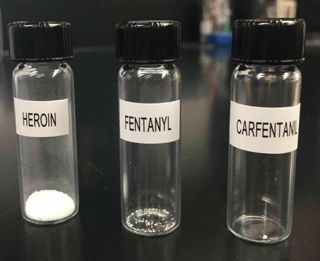
Author: Don Stader, M.D. and Rachael Duncan, PharmD BCPS BCCCP Educational Pearls Carfentanil is an opioid elephant tranquilizer that can be used recreationally. It is 1000 times stronger than fenta...

1 Aug 20174min

Podcast #232: HAPE

Podcast #232: HAPE

Author: Gretchen Hinson, M.D. Educational Pearls High-Altitude Pulmonary Edema (HAPE) is caused when hypoxemia due to low ambient pO2 leads to breakdown and constriction of the pulmonary vasculature ...

30 Jul 20176min
Podcast #231: Esophageal Tearing

Podcast #231: Esophageal Tearing

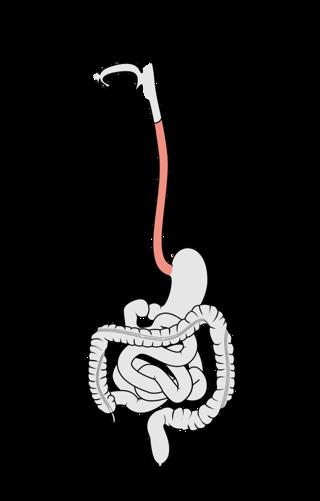
Author: Jared Scott, M.D. Educational Pearls Boerhaave syndrome (aka effort rupture of the esophagus) accounts for 10% of esophageal ruptures and is usually caused by strain during vomiting episodes....

28 Jul 20174min

Podcast #230: Concussive Treatment

Podcast #230: Concussive Treatment

Author: Aaron Lessen, M.D. Educational Pearls 2 studies this past year looked at pediatric and adolescent patients following a concussion. They found people who returned to activity sooner did better...

26 Jul 20172min

Podcast #229: Andrew Jackson

Podcast #229: Andrew Jackson

Author: Sam Killian, M.D. Educational Pearls Andrew Jackson was the 7th president of the USA. He served 2 terms from 1829-1837. He had had many medical issues during his presidency. He was said to be...

24 Jul 20175min

Podcast #228: BB Guns

Podcast #228: BB Guns

Author: Jared Scott, M.D. Educational Pearls BB gun eye injuries are most common in August and September. They most often happen to males aged 16-17 year old. Around 10% of the BB eye injuries lead t...

22 Jul 20174min

Populært innen Vitenskap

fastlegen
tingenes-tilstand
rekommandert
jss
rss-nysgjerrige-norge
rss-rekommandert
sinnsyn
forskningno
rss-paradigmepodden
villmarksliv
vett-og-vitenskap-med-gaute-einevoll
fjellsportpodden
nordnorsk-historie
smart-forklart
rss-overskuddsliv
diagnose
abid-nadia-skyld-og-skam
aldring-og-helse-podden
pod-britannia
tidlose-historier