
Episode 894: DKA and HHS

Episode 894: DKA and HHS

Contributor: Ricky Dhaliwal, MD

Educational Pearls:

What are DKA and HHS?

  • DKA (Diabetic Ketoacidosis) and HHS (Hyperosmolar Hyperglycemic State) are both acute hyperglycemic states.

DKA

  • More common in type 1 diabetes.

  • Triggered by decreased circulating insulin.

    • The body needs energy but cannot use glucose because it can't get it into the cells.

    • This leads to increased metabolism of free fatty acids and the increased production of ketones.

    • The buildup of ketones causes acidosis.

    • The kidneys attempt to compensate for the acidosis by increasing diuresis.

  • These patients present as dry and altered, with sweet-smelling breath and Kussmaul (fast and deep) respirations.

HSS

  • More common in type 2 diabetes.

  • In this condition there is still enough circulating insulin to avoid the breakdown of fats for energy but not enough insulin to prevent hyperglycemia.

  • Serum glucose levels are very high – around 600 to 1200 mg/dl.

  • Also presents similarly to DKA with the patient being dry and altered.

Important labs to monitor

  • Serum glucose

  • Potassium

  • Phosphorus

  • Magnesium

  • Anion gap (Na - Cl - HCO3)

  • Renal function (Creatinine and BUN)

  • ABG/VBG for pH

  • Urinalysis and urine ketones by dipstick

Treatment

  • Identify the cause, i.e. Has the patient stopped taking their insulin?

  • Aggressive hydration with isotonic fluids.

    • Normal Saline (NS) vs Lactated Ringers (LR)?

      • LR might resolve the DKA/HHS faster with less risk of hypernatremia.

  • Should you bolus with insulin?

  • No, just start a drip.

    • 0.1-0.14 units per kg of insulin.

  • Make sure you have your potassium back before starting insulin as the insulin can shift the potassium into the cells and lead to dangerous hypokalemia.

  • Should you treat hyponatremia?

    • Make sure to correct for hyperglycemia before treating. This artificially depresses the sodium.

  • Should you give bicarb?

    • Replace if the pH < 6.9. Otherwise, it won't do anything to help.

  • Don't intubate, if the patient is breathing fast it is because they are compensating for their acidosis.

References

  1. Andrade-Castellanos, C. A., Colunga-Lozano, L. E., Delgado-Figueroa, N., & Gonzalez-Padilla, D. A. (2016). Subcutaneous rapid-acting insulin analogues for diabetic ketoacidosis. The Cochrane database of systematic reviews, 2016(1), CD011281. https://doi.org/10.1002/14651858.CD011281.pub2

  2. Chaithongdi, N., Subauste, J. S., Koch, C. A., & Geraci, S. A. (2011). Diagnosis and management of hyperglycemic emergencies. Hormones (Athens, Greece), 10(4), 250–260. https://doi.org/10.14310/horm.2002.1316

  3. Dhatariya, K. K., Glaser, N. S., Codner, E., & Umpierrez, G. E. (2020). Diabetic ketoacidosis. Nature reviews. Disease primers, 6(1), 40. https://doi.org/10.1038/s41572-020-0165-1

  4. Duhon, B., Attridge, R. L., Franco-Martinez, A. C., Maxwell, P. R., & Hughes, D. W. (2013). Intravenous sodium bicarbonate therapy in severely acidotic diabetic ketoacidosis. The Annals of pharmacotherapy, 47(7-8), 970–975. https://doi.org/10.1345/aph.1S014

  5. Modi, A., Agrawal, A., & Morgan, F. (2017). Euglycemic Diabetic Ketoacidosis: A Review. Current diabetes reviews, 13(3), 315–321. https://doi.org/10.2174/1573399812666160421121307

  6. Self, W. H., Evans, C. S., Jenkins, C. A., Brown, R. M., Casey, J. D., Collins, S. P., Coston, T. D., Felbinger, M., Flemmons, L. N., Hellervik, S. M., Lindsell, C. J., Liu, D., McCoin, N. S., Niswender, K. D., Slovis, C. M., Stollings, J. L., Wang, L., Rice, T. W., Semler, M. W., & Pragmatic Critical Care Research Group (2020). Clinical Effects of Balanced Crystalloids vs Saline in Adults With Diabetic Ketoacidosis: A Subgroup Analysis of Cluster Randomized Clinical Trials. JAMA network open, 3(11), e2024596. https://doi.org/10.1001/jamanetworkopen.2020.24596

Summarized by Jeffrey Olson MS2 | Edited by Meg Joyce & Jorge Chalit, OMSII

Episoder(1146)

Podcast # 489: Bats & Rabies

Podcast # 489: Bats & Rabies

Contributor: Jared Scott, MD Educational Pearls: The CDC recommends rabies prophylaxis if there was a direct encounter with a possibly rabid animal except... Bats are treated differently since their ...

18 Jul 20193min
Podcast # 488: Dalbavancin

Podcast # 488: Dalbavancin

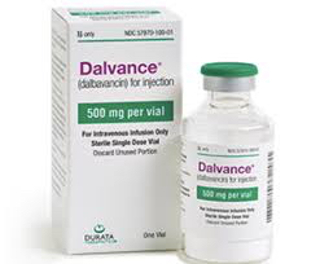
Contributor: Nick Hatch, MD Educational Pearls: Dalbavancin (Dalvance®) is an antibiotic that can be used for skin and soft tissue infections, providing MRSA coverage It cannot be used in other infec...

15 Jul 20193min

Podcast # 487: Hunting for Epiglottitis

Podcast # 487: Hunting for Epiglottitis

Contributor: Michael Hunt, MD Educational Pearls: Due to the efficacy of vaccination, epiglottitis is now more common in adults than children Risk factors include smoking and other immunocompromising...

10 Jul 20193min

Podcast # 486: Morel Mushrooms

Podcast # 486: Morel Mushrooms

Contributor: Nick Hatch, MD Educational Pearls: True morel mushrooms are commonly foraged The false morel mushroom (Gyromitra esculenta) looks similar to the true morel, but is toxic False morel mush...

8 Jul 20194min

Podcast # 485: Cerebellar Stroke

Podcast # 485: Cerebellar Stroke

Contributor: Jared Scott, MD Educational Pearls: Cerebellar strokes make up a disproportionate number of missed or delayed diagnosis for stroke likely due to the subtle nature of the presentation Cer...

6 Jul 20195min

Podcast # 484: Elevated ICP

Podcast # 484: Elevated ICP

Contributor: Charleen Gnisci, PharmD Educational Pearls: Causes of increased intracranial pressure may include intracranial hemorrhage, malignancy, and trauma. While definite treatment is to remove ...

4 Jul 20196min

Podcast # 483: Dual Antiplatelet Therapy in TIA

Podcast # 483: Dual Antiplatelet Therapy in TIA

Contributor: Don Stader, MD Educational Pearls: Antiplatelets include aspirin and clopidogrel, and are generally used for arterial clotting (MI, stroke) Anticoagulants such as coumadin, Xarelto, Eliq...

28 Jun 20192min

Podcast # 482: Tetracyclines and Hyperpigmentation

Podcast # 482: Tetracyclines and Hyperpigmentation

Contributor: Michael Hunt, MD Educational Pearls: Tetracycline antibiotics such as minocycline can cause greyish hyperpigmentation This hyperpigmentation can sometimes be reversible but not always Mi...

26 Jun 20193min

Populært innen Vitenskap

fastlegen
rekommandert
tingenes-tilstand
jss
rss-rekommandert
liberal-halvtime
villmarksliv
sinnsyn
rss-paradigmepodden
forskningno
fjellsportpodden
nevropodden
rss-nysgjerrige-norge
vett-og-vitenskap-med-gaute-einevoll
diagnose
dekodet-2
smart-forklart
abid-nadia-skyld-og-skam
rss-lundqvist-podden
hva-er-greia-med