Episode 908: Sympathomimetic Drugs

Episode 908: Sympathomimetic Drugs

Contributor: Taylor Lynch MD

Educational Pearls:

  • Overview:
    • Sympathomimetic drugs mimic the fight or flight response, affecting monoamines such as dopamine, norepinephrine, and epinephrine
    • Limited therapeutic use, often abused.
  • Types:
    • Amphetamines: Methamphetamine, Adderall, Ritalin, Vyvanse
    • MDMA (Ecstasy)
    • Cocaine (Both hydrochloride salt & free based crack cocaine)
    • Theophylline (Asthma treatment)
    • Ephedrine (For low blood pressure)
    • BZP, Oxymetazoline (Afrin), Pseudoephedrine (Sudafed)
    • MAO Inhibitors (treatment-resistant depression)
  • Mechanisms:
    • Act on adrenergic and dopaminergic receptors.
    • Cocaine blocks dopamine and serotonin reuptake.
    • Methamphetamines increase stimulatory neurotransmitter release
    • MAO Inhibitors prevent neurotransmitter breakdown.
  • Symptoms:
    • Agitation, tachycardia, hypertension, hyperactive bowel sounds, diuresis, hyperthermia.
    • Severe cases: Angina, seizures, cardiovascular collapse.
  • Diagnosis:
    • Clinical examination and history.
    • Differentiate from anticholinergic toxidrome by diaphoresis and hyperactive bowel sounds.
    • Tests: EKG, cardiac biomarkers, chest X-ray, blood gas, BMP, CK, coagulation studies, U-tox screen.
  • Treatment:
    • Stabilize ABCs, IV hydration, temperature monitoring, benzodiazepines.
    • Avoid beta-blockers due to unopposed alpha agonism.
    • Whole bowel irrigation for body packers; surgical removal if packets rupture.
    • IV hydration for high CK levels.
    • Observation period often necessary.
  • Recap:
    • Mimic sympathetic nervous system.
    • Key symptoms: Diaphoresis, hyperactive bowel sounds.
    • Treatment: Supportive care, benzodiazepines.
    • Use poison control as a resource.

References:

  1. Costa VM, Grazziotin Rossato Grando L, Milandri E, Nardi J, Teixeira P, Mladěnka P, Remião F. Natural Sympathomimetic Drugs: From Pharmacology to Toxicology. Biomolecules. 2022;12(12):1793. doi:10.3390/biom12121793

  2. Kolecki P. Sympathomimetic Toxicity From Emergency Medicine. Medscape. Updated March 11, 2024. https://emedicine.medscape.com/article/818583-overview

  3. Williams RH, Erickson T, Broussard LA. Evaluating Sympathomimetic Intoxication in an Emergency Setting. Lab Med. 2000;31(9):497-508. https://doi.org/10.1309/WVX1-6FPV-E2LC-B6YG

Summarized by Steven Fujaros | Edited by Jorge Chalit, OMSIII

Episoder(1147)

Podcast 533:  Hypoglycemia

Podcast 533: Hypoglycemia

Contributor: Dylan Luyten, MD Educational Pearls: Insulin related hypoglycemia can vary from a brief transient effect from short-acting forms (i.e. insulin lispro) to prolonged from long acting (i.e....

20 Jan 20204min

Podcast 532:  SVC Syndrome

Podcast 532: SVC Syndrome

Contributor: Jared Scott, MD Educational Pearls: Superior vena cava (SVC) syndrome is caused by physical compression of the SVC and can present with facial swelling, upper extremity swelling, flushin...

14 Jan 20204min

Podcast 531:  Migraine Cocktail

Podcast 531: Migraine Cocktail

Contributor: Don Stader, MD Educational Pearls: The classic migraine cocktail includes: Reglan (or other dopamine antagonist), Benadryl, Toradol, Decadron, and IV fluids.  The most effective agent in...

13 Jan 20203min

Podcast 530: Anion Gap Acidosis + Metformin Toxicity

Podcast 530: Anion Gap Acidosis + Metformin Toxicity

Contributor: Don Stader, MD Educational Pearls: The common causes of anion gap metabolic acidosis include (MUDPILES) Metformin, Methanol Uremia DKA Paraldehyde INH/Iron Lactate Ethylene Glycol ...

8 Jan 20204min
Podcast 529: Hemophilia

Podcast 529: Hemophilia

Contributor: Aaron Lessen, MD Educational Pearls: Hemophilia is characterized by bleeding (A /B) A is is 8, B (chrstmas, 9) Hemophilia refers to a group of bleeding disorders caused by a deficiency ...

8 Jan 20203min
Podcast 528:  Decompensated Liver Failure

Podcast 528: Decompensated Liver Failure

Contributor: Michael Hunt, MD Educational Pearls: Cirrhosis is the end stage of chronic structural damage to the liver. This is most commonly due to  alcohol but other causes viral hepatitis and hepa...

6 Jan 20204min
Podcast 527: Knee Dislocations

Podcast 527: Knee Dislocations

Contributor:  Erik Verzemnieks, MD Educational Pearls: Knee dislocations are most common in high energy trauma, such as a motor vehicle accident The knee may appear grossly normal on initial inspecti...

3 Jan 20202min
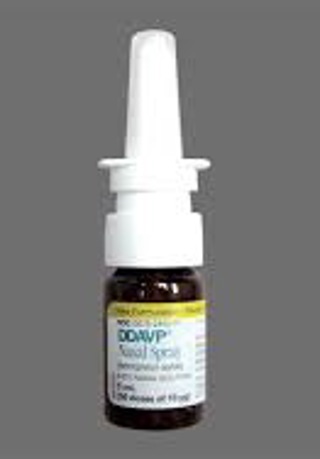
Podcast 526:  Desmopressin for Intracranial Hemorrhage

Podcast 526: Desmopressin for Intracranial Hemorrhage

Contributor: Charleen Melton, PharmD Educational Pearls: Desmopressin (DDAVP) is an analogue of anti-diuretic hormone (ADH) that has been used for the treatment of intracranial hemorrhage. It works b...

30 Des 20193min

Populært innen Vitenskap

fastlegen
rekommandert
tingenes-tilstand
rss-rekommandert
jss
liberal-halvtime
villmarksliv
rss-paradigmepodden
forskningno
sinnsyn
fjellsportpodden
pod-britannia
nevropodden
rss-nysgjerrige-norge
tidlose-historier
hva-er-greia-med
diagnose
rss-overskuddsliv
smart-forklart
rss-lundqvist-podden