Ep. 226 Better Neck Health with Dr. Gerry Mattia

Ep. 226 Better Neck Health with Dr. Gerry Mattia

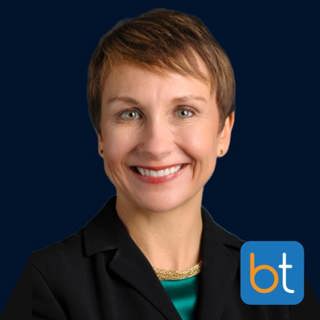
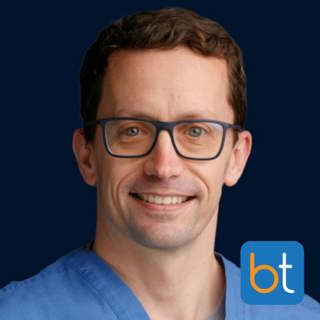
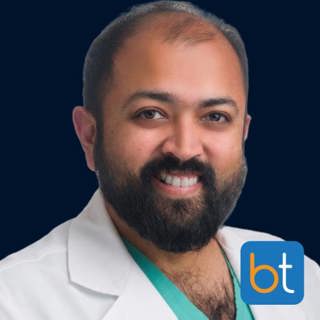
In this special crossover BackTable episode, Dr. Aaron Fritts and Dr. Julie Wei talk with Dr. Gerry Mattia, Chiropractor and Director of Rehabilitation of ViscoGen Clinic in Orlando, Florida. The CME experience for this Podcast is powered by CMEfy - click here to reflect and unlock credits & more: https://earnc.me/UmeBWU --- CHECK OUT OUR SPONSOR RADPAD® Radiation Protection https://www.radpad.com/ --- SHOW NOTES First, Dr. Mattia recounts his journey to becoming a chiropractor, beginning with his medical history of aortic stenosis fixed by a chiropractor, his decision to enter chiropractic school, and starting his independent practice after graduation. Then, he explains how he deals with patients presenting with degenerative disc disease with spinal stenosis, which was the issue he resolved in Dr. Wei. A herniated disc is the most common cause of degenerative disc disease. The standard chiropractic treatment is cervical decompression to help the disc restore itself. Dr. Mattia also uses a level 4 laser to rehydrate the disc. For optimal results, he recommends that patients see him 4 times a week for 6 to 8 weeks in order to fully lift the pressure off of the brachial plexus. He notes that good chiropractors will use the correct formulas and appropriate technology while adjusting the patient gently. Next, the doctors delve into why many physicians are wary of chiropractors, which is rooted in a 1988 legal case that prohibited doctors from referring their patients to chiropractors. Dr. Mattia encourages physicians to seek therapy before medical issues develop into very severe conditions. Additionally, Dr. Wei notes that medical culture often encourages physicians to put the health of their patients before theirs. Then, Dr. Mattia discusses how younger people and surgeons can improve their neck health. He notes that excessive cell phone use can reverse the cervical curve, causing people to lose their normal lordotic curve, a structure which usually prevents compression. He also recommends strengthening the muscles in the neck and shoulders, sleeping with a cervical pillow, and going to a good chiropractor to get routine adjustments. Dr. Wei recommends avoiding slouching and adjusting screens to eye-level in OR. Both Dr. Wei and Dr. Mattia agree that maintaining a healthy body weight will have positive benefits on spinal health. Finally, Dr. Mattia recommends which qualities to focus on when finding a good chiropractor. He recommends looking for an experienced, passionate family practice chiropractor. As a word of caution, he warns listeners to never let a chiropractor adjust them without reviewing their X-ray imaging first.

Episoder(628)

Ep. 615 Exploring Intravascular Lithotripsy in Below the Knee CLTI with Dr. Constantino Peña

Ep. 615 Exploring Intravascular Lithotripsy in Below the Knee CLTI with Dr. Constantino Peña

As new calcium-modifying technologies expand the repertoire of below-the-knee (BTK) arterial disease interventions, how should your treatment algorithm evolve, and what endpoints matter most? In this episode of the BackTable Podcast, Dr. Constantino Peña of the Baptist Health Miami Cardiac and Vascular Institute joins Dr. Sabeen Dhand to discuss the latest advancements in BTK chronic limb-threatening ischemia (CLTI) therapies and the push to improve on current vessel preparation outcomes. --- This podcast is supported by: Shockwave Medicalhttps://shockwavemedical.com/ --- SYNPOSIS The physicians discuss the evolution of tibial arterial therapies, the challenges presented by heavily calcified lesions, and the impact of new tools, particularly the Shockwave E8 intravascular lithotripsy (IVL) device, on procedural considerations and endpoints. Dr. Peña shares his treatment algorithms and offers practical advice on selecting the right tools for each unique case. The episode closes with speculation on the future of treatment options and technologies for BTK disease, and the growing need for robust data to guide patient-specific treatment. --- TIMESTAMPS 00:00 - Introduction02:11 - Understanding Tibial Disease and Treatment Evolution07:22 - Advancements in Tibial Disease Treatment and the Role of IVL15:31 - Techniques for Effective IVL Sizing and Usage 21:28 - Challenges and Innovations in Tibial Disease Management26:48 - Innovations in Stent Technology30:43 - Combining IVL with Adjunct Therapies32:13 - Addressing Misconceptions in Tibial Treatment37:54 - Advancements in Intravascular Lithotripsy40:59 - Future of Vascular Treatments43:42 - Final Thoughts

10 Feb 49min

Ep. 614 Interventional Radiology’s Evolution: Insights from Dr. Ernest Ring

Ep. 614 Interventional Radiology’s Evolution: Insights from Dr. Ernest Ring

Have you ever wondered what it was like to be in the room when the first pelvic embolization was performed or how the TIPS procedure was pioneered? Dr. Ernie Ring, a legendary figure from UCSF and a true forefather of Interventional Radiology, joins host Dr. Peder Horner to recount the early days of the specialty. Dr. Ring shares fascinating stories from his training at Massachusetts General Hospital under Dr. Stanley Baum, where he witnessed the birth of transformative techniques using angiographic catheters to treat life-threatening bleeding. --- SYNPOSIS From improvising the use of autologous blood clot and thrombin to stop massive hemorrhages to his pivotal role in developing the TIPS procedure and specialized biliary catheters, Dr. Ring’s career is loaded with innovation. The conversation explores the "cowboy" era of IR, the evolution of essential tools like the glide wire, and the critical importance of maintaining a "high-touch" clinical practice in the face of emerging technologies like AI. Dr. Ring also reflects on his later transition into hospital leadership as Chief Medical Officer, where he applied his problem-solving mindset to institutional quality and safety. --- TIMESTAMPS 00:00 - Introduction01:58 - Upbringing from Detroit to Mass Gen 06:55 - Early IR with an Embo Case13:50 - Trailblazing Cases in IR16:17 - Penn and Innovation20:00 - Polarizing Procedures24:13 - IR Device Innovation33:00 - Dotter’s Separation from Diagnostics37:30 - Fear Finds Cowboys39:08 - AI and Robotics40:08 - Fun Hobbies

6 Feb 50min

Ep. 613 Microwave Ablation in Renal Tumors with Dr. Steven Huang

Ep. 613 Microwave Ablation in Renal Tumors with Dr. Steven Huang

You’re about to biopsy a renal lesion; should you ablate at the same time? In this episode of the BackTable Podcast, host Michael Barraza talks with Dr. Steven Huang from MD Anderson Cancer Center about building an efficient and effective renal biopsy and ablation service line. --- This podcast is supported by: Varian IntelliBlatehttps://www.varian.com/products/interventional-solutions/microwave-ablation-solutions --- SYNPOSIS Dr. Huang first covers referral patterns and the typical pathway that patients take to end up in his clinic. The discussion covers the types of lesions he treats, imaging requirements, and criteria for patient eligibility. He emphasizes the importance of shared decision making when deciding between active surveillance, interventional treatment, and partial nephrectomy. Dr. Huang explains his preferred procedural approach and ablation modalities, including cryo, microwave (MWA), and radiofrequency ablation (RFA). He shares his experiences with challenging cases and integrating new technologies like histotripsy and the Siemens interventional package. They also discuss the possibility of a preoperative embolization for larger lesions that could be susceptible to the heat sink effect. Both experts emphasize the importance of collaboration with urologists and ensuring patient safety and expectations. They also touch on the future of the field, discussing the use of AI and robotics. --- TIMESTAMPS 00:00 - Introduction 02:17 - Training Programs at MD Anderson03:23 - Referral Patterns for Renal Ablations07:25 - Patient Management and Virtual Consultations10:59 - Ablation Techniques and Device Selection26:44 - Challenges and Complications27:25 - Approach to Lesions Near Renal Vasculature28:02 - Patient Expectations and Urologist Collaboration33:26 - Post-Procedure Care and Patient Recovery35:30 - Managing Recurrences and Multiple RCCs47:17 - Closing Remarks

3 Feb 49min

Ep. 612 Interventional Radiology in Military Medicine with Dr. John York

Ep. 612 Interventional Radiology in Military Medicine with Dr. John York

What does day-to-day interventional radiology look like in the military? Here’s a firsthand account. Dr. John York, interventional radiologist at University of California San Diego with 37 years of active duty in the Navy joins host Dr. Ally Baheti to share his experiences and perspectives on being an interventional radiologist in the military. --- SYNPOSIS Dr. York recounts his path to the military and how it ultimately led him to interventional radiology. He reflects on his deployments to Afghanistan and Djibouti, highlighting the clinical complexity, operational challenges, and fulfilling aspects of delivering image-guided care in high-acuity environments. Dr. York recounts several remarkable cases from his deployments, including the management of a vertebral artery aneurysm. He underscores how strong foundational training enables creative problem-solving in resource-limited settings. Dr. York also shares his experience as senior medical officer on the USS Theodore Roosevelt during the initial COVID-19 outbreak, offering insight into the clinical, operational, and administrative challenges he faced. He highlights how adaptability and creative problem-solving are essential to managing complex cases in dynamic environments. --- TIMESTAMPS 00:00 - Introduction02:53 - Journey to Medicine: From Naval Academy to Medical School05:55 - Choosing Interventional Radiology08:11 - Military Medical Experience: Portsmouth and Beyond11:38 - First Deployment: Challenges and Adaptations14:38 - Case Studies: Trauma and Innovation in Afghanistan26:15 - A Unique Procedure in a Combat Zone28:49 - Transitioning Back to Civilian Life31:07 - Challenges in Combat Zones34:22 - Deployment in Djibouti38:25 - COVID-19 on the USS Theodore Roosevelt45:50 - Reflections on Military Service

30 Jan 50min

Ep. 611 Challenges in Prostate Artery Embolization with Dr. Rajasekhara Ayyagari

Ep. 611 Challenges in Prostate Artery Embolization with Dr. Rajasekhara Ayyagari

Are balloon occlusion microcatheters your new best friend for prostate artery embolization (PAE)? In this episode of BackTable, Dr. Raj Ayyagari, interventional radiologist at Boston Medical Center, joins Dr. Ally Baheti to tackle complex clinical and technical challenges in PAE. --- This podcast is supported by an educational grant from Guerbert. --- SYNPOSIS Dr. Ayyagari shares his unique journey from urology to interventional radiology and his experience building successful PAE service lines at multiple institutions. He walks through a series of challenging cases involving intraprostatic penile arteries, perivesicular collaterals, and internal pudendal collaterals used to treat bilateral hemi-prostates. The discussion highlights the role of balloon occlusion microcatheters such as the Sniper, his transition from 100–300 micron particles to glue embolization, and scenarios where coil protection is essential to prevent nontarget embolization. He also covers post-procedural management, the importance of setting expectations around suprapubic tube removal, and why thorough patient and provider counseling is critical for optimal care. --- TIMESTAMPS 00:00 - Introduction 02:14 - Building a Practice in Prostate Artery Embolization08:19 - Case Studies and Techniques in Prostate Artery Embolization23:16 - Challenges in Embolization Techniques23:47 - Step-by-Step Guide to Embolizing a Hemi Prostate25:24 - Choosing the Right Beads for Embolization29:10 - Transitioning to Liquid Embolics35:38 - Setting Patient Expectations and Pre-Procedure Evaluation40:17 - Post-Procedure Care and Medications44:06 - Conclusion and Final Thoughts

27 Jan 46min

Ep. 610 Interventional Radiology in UAE: Current Practices with Dr. Jamal Alkoteesh

Ep. 610 Interventional Radiology in UAE: Current Practices with Dr. Jamal Alkoteesh

Have you ever considered taking a sabbatical to practice Interventional Radiology in the Middle East? In this episode, Dr. Jamal AlKoteesh, the Chairman of Clinical Imaging at SEHA and the "Godfather of IR" in the United Arab Emirates, joins host Dr. Sabeen Dhand to discuss the rapid evolution and current state of IR in the Gulf region. --- SYNPOSIS Dr. AlKoteesh shares his journey from training in the UK to establishing the IR specialty in Abu Dhabi over the last 18 years. He details the unique practice environment in UAE government hospitals, where the lack of strict sub-specialization requires IRs to maintain a versatile skillset—handling everything from thyroid FNAs and UFE to complex neurovascular thrombectomies. The conversation highlights the significant government investment in healthcare technology, which allows physicians access to the latest tools—such as the Siemens Artis Icono with integrated RapidAI for stroke—often before they are widely available in other markets. Dr. AlKoteesh also provides a practical guide for US physicians interested in working abroad, covering the licensing timeline, tax-free income, and the high demand for Western-trained physicians. --- TIMESTAMPS 00:00 - Introduction01:39 - Building IR in UAE05:23 - UAE Healthcare System Overview07:54 - IR Residency and Staffing13:15 - Access to Latest Devices15:15 - Compensation and Lifestyle17:58 - PAIRS Conference Overview20:45 - Licensing and Relocation Guide21:39 - Liability and Language Barriers26:33 - Launching Stroke Interventions

23 Jan 35min

Ep. 609 Chronic Venous Disease Diagnosis & Management Strategies with Dr. Steven Abramowitz

Ep. 609 Chronic Venous Disease Diagnosis & Management Strategies with Dr. Steven Abramowitz

20 Jan 50min

Ep. 608 Interventional Radiology Global Survey: Training & Awareness with Dr. Justin Guan and Dr. Constantinos Sofocleous

Ep. 608 Interventional Radiology Global Survey: Training & Awareness with Dr. Justin Guan and Dr. Constantinos Sofocleous

Patient access to interventional radiology services remains highly variable worldwide, reflecting global differences in training opportunities and infrastructure. Drawing on responses from more than 1,260 interventional radiologists worldwide, Dr. Justin Guan and Dr. Constantinos Sofocleous unpack the findings of a large international survey, highlighting where IR is advancing, where it remains fragmented, and what the data suggest about the future direction of the specialty. --- SYNPOSIS Key points of the episode involve the collaborative efforts put into this survey, how data was collected, and major findings from the respondents. These findings involve challenges with IR training, the significance of public awareness, and the need for standardized training programs. The discussion also covers the efforts required to promote IR globally, especially at global summits, and the potential steps to address these findings. Finally, the episode highlights the importance of developing region-specific programs and the ongoing efforts to elevate IR practices worldwide. --- TIMESTAMPS 00:00 - Introduction01:57 - Global IR Network and Survey Introduction10:30 - Survey Insights and Results19:26 - Challenges in IR Training and Awareness23:33 - Future Directions and Initiatives36:06 - Conclusion and Final Thoughts --- RESOURCES Results of a Global Survey on the State of Interventional Radiology 2024: https://pubmed.ncbi.nlm.nih.gov/39793699/

16 Jan 38min

Populært innen Fakta

fastlegen
dine-penger-pengeradet
relasjonspodden-med-dora-thorhallsdottir-kjersti-idem
treningspodden
jakt-og-fiskepodden
foreldreradet
rss-sunn-okonomi
merry-quizmas
dopet
tomprat-med-gunnar-tjomlid
podme-bio-3
rss-strid-de-norske-borgerkrigene
sovnlos
gravid-uke-for-uke
sinnsyn
hverdagspsyken
rss-kull
dypdykk
lederskap-nhhs-podkast-om-ledelse
rss-mind-body-podden