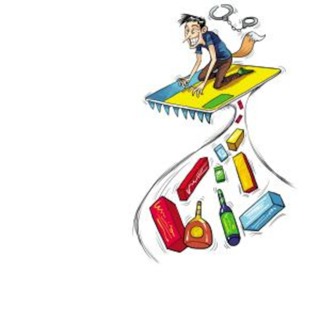

2.2.11B 新闻故事解读《男子持假信用卡买高档烟酒》

2.2.11B 新闻故事解读《男子持假信用卡买高档烟酒》


男子 nánzǐ Noun, male; guy; man Anonym 女子 天 tiān Noun, day 内 nèi Prep, within (a period of time); inside (a space) 一天内,within one day 学校内,inside school 持 chí Verb, to take; to hold 假 jiǎ Adj, fake 信用卡 xìnyòngkǎ Noun, credit card 刷 shuā Verb, to swipe 刷卡,to swipe a card 点 diǎn Noun, dot 13.4 十三点四 万 wàn Noun, 10 thousand 高档 gāodàng Adj, high-end; fancy 烟 yān Noun, cigarette 酒 jiǔ Noun, wine; alcohol 面 miàn Noun, the top(of a flat object, such as table, credit card, stage) 卡面,桌面,台面 信息 xìnxī Noun, information 却 què Adv, means "but; however", is always put after the subject of the sentence. Chocolate is yummy, but I do not like it. 巧克力很好吃,但是我不喜欢。 巧克力很好吃,我却不喜欢。 显示 xiǎnshì Verb, to display 咋回事? zǎ huí shì? Why? What happened? What's wrong? Same with "怎么回事?" 竟 jìng Adv, to express something is unexpected, you can use the adverb 竟然 after the subject. Gucci包竟然100块! A Gucci purse only costs $100! 伪造 wèizào Verb, to counterfeit; adj, counterfeit 某某 mǒu mǒu Noun, used to name someone anonymous 某某人, someone 王某某,someone named Wang 使用 shǐyòng Verb, to use 昆明 Kūnmíng City name, Kunming, the capital city of Yunnan Province 附近 fùjìn Noun, a place nearby 学校在医院的附近。The school is nearby the hospital. 酒店 jiǔdiàn Noun, hotel POS机 POS jī Noun, credit card terminal 机:机器,machine POS: point of sale 购买 gòumǎi Verb, to purchase 等 děng Pronoun, means "and other (items that will be omitted here)." 我买了苹果、香蕉等水果。I bought apple, banana and other kinds of fruit. 及 jí Connector, means "and", it is used to connect two nouns. 小王及小李,little Wang and little Li (一)共 (yí) gòng means "in total", it is always put before the total number 我今天消费了一共100块。I spent 100 yuan in total today. 消费 xiāofèi Verb, to consume; to spend (a certain amount of money) 法院 fǎyuàn Noun, court 法官,judge 一审 yīshěn Noun, first instance(law) 判决 pànjué Noun, court decision 犯 fàn Verb, to commit (a crime) 诈骗 zhàpiàn Noun, fraud 罪 zuì Noun, crime 判处 pànchǔ Verb, to sentence 有期徒刑 yǒuqī túxíng Noun, fixed-term imprisonment 并 bìng Conjunction, "and", it is used when there is a need to add up more information about a description or a statement. 处 chǔ Verb, to give the penalty of … (subjected by court) 罚金 fá jīn Noun, fine; forfeit New words and grammatical structures in the story are being taught in this episode. A lot of repetitions are used so that our learners can get master this story in no time! Enjoy the lesson and please find the new word list on our website: www.learningchinesethroughstories.com

Denne episoden er hentet fra en åpen RSS-feed og er ikke publisert av Podme. Den kan derfor inneholde annonser.

Episoder(395)

2.1.20B故事解读《珍珠项链》

2.1.20B故事解读《珍珠项链》

旅游时,我给母亲挑了一串珍珠项链。母亲生日那天,她高兴地戴上了这串项链。我们先逛街,然后去一家酒店的餐厅吃饭。 吃饭的时候,服务员不小心把饮料洒在了母亲的衣领上。母亲就去了一趟洗手间,去了好久都没回来。我赶紧去找她。在洗手间门口,我看见母亲在跟一个穿短袖上衣的女孩儿说话,见我来了,女孩儿向母亲弯了弯腰,匆匆地走了。我觉得有点儿奇怪,但母亲什么也没说。 回到家里,我才知道事情的经过。 母亲在洗手间擦...

7 Mar 201729min

2.1.20A故事《珍珠项链》

2.1.20A故事《珍珠项链》

On the day when I was celebrating my mom's birthday with her at a restaurant, my mom's pear necklace almost got stole in the restroom. I was shocked by the fact that my mom did not only not report the...

7 Mar 20174min
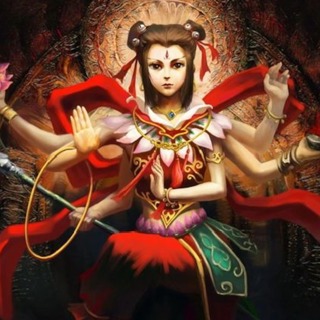
2.2.20B 故事解读《哪吒闹海》

2.2.20B 故事解读《哪吒闹海》

哪吒 Né zhā Name, a hero fictional figure in Chinese mythology 闹 nào verb, to start a chaos 龙王 lóngwáng noun, dragon king 父子 fùzǐ noun phrase, father and son 称霸一方 chēngbàyìfāng Chengyu, to play the tyra...

11 Jan 201727min

2.2.20A 故事《哪吒闹海》

2.2.20A 故事《哪吒闹海》

Nezha is a famous fictional figure in Chinese mythology stories. As a kid hero, he rewards the right and punishes the wrong. In this chapter, the story tells Nezha fighting with the evil power in the ...

11 Jan 20173min
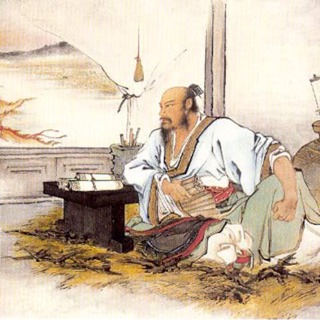
2.2.19B 故事解读《卧薪尝胆》

2.2.19B 故事解读《卧薪尝胆》

卧 wò verb, to lie down 薪 xīn noun, fire woods 尝 cháng verb, to taste 胆 dǎn noun, gallbladder 长江 chángjiāng noun, the Yangtze River 下游 xiàyóu noun phrase, downstream 征服 zhēngfú verb, to conquer 对方 duìf...

5 Jan 201724min

2.2.19A 故事《卧薪尝胆》

2.2.19A 故事《卧薪尝胆》

The King of Yue did not give up after losing to Wu in the war of Kuaiji. Instead, he restarted his life with his wife as the slaves for the King in Wu and at the same time accumulated their strengths....

5 Jan 20173min
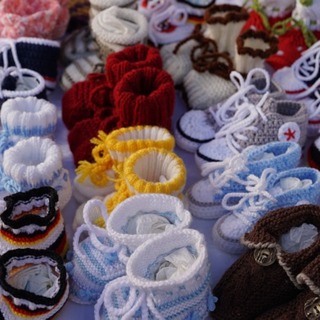
1.3.22B 故事解读《郑人买履》

1.3.22B 故事解读《郑人买履》

郑 Zhèng noun, name of a country in Chunqiu era 履 lǚ noun, ancient Chinese word for "shoe(s)" 先 xiān adverb, firstly 量 liáng verb, to measure 尺码 chǐmǎ noun, size (for shoes and tailoring of clothes) 忘记...

4 Jan 201714min

1.3.22A 故事《郑人买履》

1.3.22A 故事《郑人买履》

This ancient dude who lived during Chunqiu era(BC 770-476) chose to run back home to fetch the number of his feet size in order to purchase a new pair of shoes for himself, rather than to try shoes on...

4 Jan 20172min

Populært innen Fakta

fastlegen
dine-penger-pengeradet
relasjonspodden-med-dora-thorhallsdottir-kjersti-idem
rss-bisarr-historie
foreldreradet
treningspodden
rss-strid-de-norske-borgerkrigene
rss-kunsten-a-leve
rss-sunn-okonomi
jakt-og-fiskepodden
sinnsyn
hverdagspsyken
mikkels-paskenotter
rss-sarbar-med-lotte-erik
gravid-uke-for-uke
rss-bak-luftfarten
rss-impressions-2
rss-kull
rss-mind-body-podden
fryktlos