
Brian Sayers – Syrian Support Group
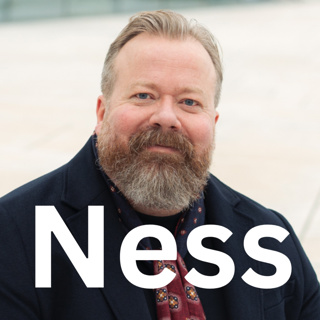
While some Arab states are actively funding the Syrian opposition, the West has publicly refused to provide arms. The US, in particular, has been criticised for its reluctance to get involved beyond talks and diplomacy. Brian Sayers is a lobbyist for a US-based non-profit organisation. The Syrian Support Group has been given the green light by the US Treasury to raise money for the Free Syrian Army despite the fears that the FSA might have links to extremist groups in the region. The Syrian Support Group insists that the money raised will not get into the wrong hands. How can they be sure?(Image: Brian Sayers)
28 Aug 201223min
Maajid Nawaz - Chairman of Quilliam, counter extremisim organisation
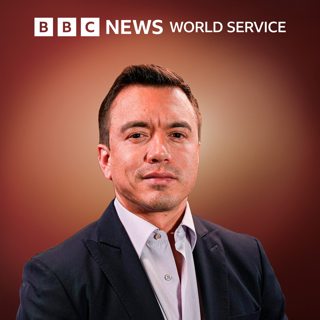
Maajid Nawaz is a British born Muslim who became a radical Islamist. He was arrested and imprisoned in Hosni Mubarak's Egypt but when he emerged from prison he renounced his former views and launched a campaign to counter Islamist ideology. To some he's a truth teller, to others a traitor. Stephen Sackur asks him to explain his extraordinary transformation.
27 Aug 201223min
Rob Davies - South Africa's Minister for Trade and Industry
Stephen Sackur talks to Rob Davies, South Africa’s Minister for Trade and Industry.The labour unrest in South Africa’s platinum mines has claimed the lives of dozens and produced the kind of violence not seen since apartheid. The strike has driven up the cost of platinum prices and shaken investor confidence. It has also drawn the world’s attention to the low wages and poor working conditions of South Africa’s miners. Is the call to invest in Africa’s biggest economy being stifled by the rage against social and economic disparity?(Image: Rob Davies addressing the media at the TIME / FORTUNE / CNN Global Forum in June 2010. Credit: Getty Images)
24 Aug 201223min
Angélique Kidjo - Musician and Activist
Angélique Kidjo has been hailed as Africa's premier diva, known for her passionate voice and fierce determination to help African girls fulfil their potential. Three decades ago she left her home continent and became an international star. Stephen Sackur asks Kidjo how much Africa and its music scene has changed between then and now.(Image: Angelique Kidjo performing in 2010. Credit: AFP / Getty Images)
22 Aug 201223min
Lord Hanningfield - Former Conservative Peer
The expenses scandal tarnished those at the very heart of British democracy. Some politicians in the so-called Mother of Parliaments were shown to be greedy and a few criminal. A handful went to jail and one of those is the former Conservative peer and former leader of Essex County Council Lord Hanningfield. So why did he do it? Is there something fundamentally wrong with Britain's political culture and with those who go into politics? And what lessons can a lawmaker learn from prison?(Image: Lord Hanningfield)
19 Aug 201223min
Lord Moynihan - Chairman of the British Olympics Association
Katya Adler speaks to Lord Moynihan, Chairman of the British Olympics Association and Director of the London Organising Committee of the Olympic Games. London 2012 has been a resounding success, applauded at home and abroad, but what can be done to ensure an enduring sporting legacy? British sports are celebrating their best collective performance in over a century. So now that the Games are over, why has Lord Moynihan submitted his resignation?(Image: Lord Colin Moynihan at a press conference in July 2012. Credit: David Davies / PA Wire)
17 Aug 201223min
Sharon Bowles - Chair, EU Economic and Monetary Affairs Committee
Katya Adler speaks to Sharon Bowles, Chair of the European Parliament's Economic and Monetary Affairs Committee.The Eurozone crisis has been a test not only for Europe's politicians but also its institutions. The European Union's response to the economic turbulence in its midst has been criticised as too slow and ineffective. Sharon Bowles is at the heart of the EU’s decision-making process and has a big say in how new economic legislation is drafted - but will it work?(Image: Sharon Bowles. Credit: John Thys / AFP / Getty Images)
15 Aug 201223min
Michael Barber - Chief Education Advisor, Pearson PLC
The United Nations had hoped that by 2015 every child would be able to go to primary school. But the last time they reported on progress to that goal, they said 69 million children were still not getting an education - most of those in sub-Saharan Africa. Michael Barber has advised governments around the world about education. He's now working for the international company Pearson. It recently announced it would invest millions in private schools for the world's poorest families. Is that the right way to tackle the problem or could it undermine what governments are trying to do?
13 Aug 201223min