Storm over a teacup
In the mountainous east of Nepal many communities are dependent on tea. The nitrogen-rich soil of the high-elevation estates allow tea bushes to produce a unique flavour, but the picking has to be done by hand. Phanindra Dahal talks to farmers, factory managers, tea estate supervisors and leaders in the business to find out how this small nation is looking to compete globally and the challenges they are up against. One challenge is a complex relationship with its neighbour, India.
27 Feb 202427min
In the Studio: Claudia Piñeiro
Claudia Piñeiro is a multi-award winning novelist, with many of her books being adapted for television. She's one of Argentina's most translated writers, as well as being a popular screenwriter and playwright. The BBC's Andrea Kidd joins Claudia in her apartment in Buenos Aires, as she works on her latest, as yet, untitled novel. It follows the story of two step-sisters, one a radio journalist, the other an escort, both unaware of the other's existence, until a dramatic incident brings their lives together. But was it an accident or something more sinister?
26 Feb 202427min
Bonus: The Global Story
A bonus episode from The Global Story podcast. Is #Me Too finally exploding in French cinema?. The Global Story brings you one big story every weekday, making sense of the news with our experts around the world. Insights you can trust, from the BBC, with Katya Adler. For more, go to bbcworldservice.com/globalstory or search for The Global Story wherever you get your BBC podcasts.
25 Feb 202425min
Bonus: Hardtalk - Defying Putin
Russian authorities have announced the death of one of the country’s most significant opposition leaders Alexey Navalny in a remote penal colony in the Arctic Circle. Stephen Sackur spoke to him in Moscow in 2017 about the risks involved in being a prominent critic of President Putin.
24 Feb 202424min
BBC OS Conversations: Ukraine war babies and returning home
It is two years since Russia's full-scale invasion of Ukraine. The war has claimed tens of thousands of lives, left millions of Ukrainians as refugees, and wrought much destruction. When your home is invaded and everything is shattered and turned upside down, what happens to your life? Host James Reynolds hears from three women in Ukraine who, despite the dangers of war, chose to have a baby. At the start of the war, millions of women and children escaped to safety abroad. With the passing of time, some have decided to return. Three of those women come together to discuss their decisions to go back home.
24 Feb 202424min
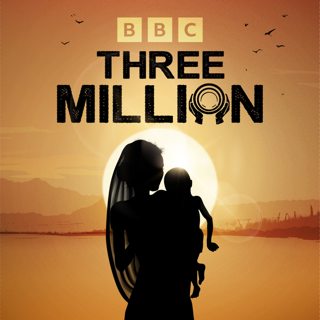
Three Million: 5. Ghosts
The Bengal Famine, particularly the experiences of people in the rural areas who suffered the most, is not well remembered today. There is no memorial, museum, or plaque to the victims or survivors anywhere in the world.One man has made it his life’s work to record their testimonies with paper and pen. Kavita hears from him, and tries to understand more about why the three million people who perished aren’t better remembered or memorialised in India, Bangladesh and Britain.Presenter: Kavita Puri Series producer: Ant Adeane Editor: Emma Rippon Sound design and mix: Eloise Whitmore Production coordinators: Maria Ogundele and Sabine Schereck Original music: Felix TaylorWith thanks to Dr Janam Mukherjee and Professor Joya Chatterji
23 Feb 202428min
Three Million: 4. The tapes
Kavita Puri discovers a set of cassette tapes containing rare interviews with Indian civil servants who were on the ground across Bengal during the famine, shedding new light on colonial responsibility. And as the need for relief in Bengal becomes ever greater, more pressure is put on the British government from India’s new Viceroy. He asks for more food imports. Could the War Cabinet and Prime Minister Winston Churchill have done more to help alleviate the famine in the middle of the war? Presenter: Kavita Puri Series producer: Ant Adeane Editor: Emma Rippon Sound design and mix: Eloise Whitmore Production co-ordinators: Maria Ogundele and Sabine Schereck Original music: Felix TaylorWith thanks to Dr Janam Mukherjee and Professor Joya ChatterjiInterviews conducted by Lance Brennan courtesy of University of CambridgeInterviews with GS Khosla courtesy of University of Cambridge
23 Feb 202431min
Three Million: 3. The f-word
Colonial authorities wanted to censor the famine. They were worried that Britain’s wartime enemies - the Germans and the Japanese - would use it as propaganda against them.But as more and more starving people arrive in cities across Bengal, it becomes harder to suppress. Indian writers, photographers and artists document the humanitarian catastrophe, but it was risky, as the censor forbade mention of the famine. A British journalist and editor of the English language Statesman newspaper, in Calcutta, decides to challenge the censor and begins publishing photographs and scathing editorials about what was really going on in Bengal. It shocks the world. In London, the BBC reports on “famine conditions” and, as we uncover, the British government tries to pressurise the broadcaster to tone down its coverage.Presenter: Kavita Puri Series producer: Ant Adeane Editor: Emma Rippon Sound design and mix: Eloise Whitmore Production coordinators: Maria Ogundele and Sabine Schereck Original music: Felix TaylorWith thanks to Dr Janam Mukherjee, Professor Joya Chatterji and Dr Diya Gupta
23 Feb 202429min