#121 Top Tips for Implementing ISO 22716
The ISO Show2 Nov 2022

#121 Top Tips for Implementing ISO 22716

ISO 22716 sets out the framework for a quality management system for anyone involved in the manufacture of cosmetics and other healthcare related products. While this Standard's focus is on the manufacture of cosmetics specifically, many of the requirements can apply to any manufacturing process, especially those that involve a risk of contamination.

This Standard sets out clear guidance to help you ensure you align with Good Manufacturing Practices (GMP), but how do you go about implementing it?

In our last episode of the ISO 22716 series, we bring back Derek Hall once again to share his experience with implementing ISO 22716 and offer some top tips to get you started.

You'll learn

  • What considerations do you need for every aspect of the manufacturing process?
  • How you can apply ISO 22716's principles to your own processes
  • Derek's experience with his clients

Resources

In this episode, we talk about:

[01:10] If you want a recap on the Standard – Watch our first episode in the ISO 22716 series

[01:50] Key considerations for Personnel: Establish an Organisational Chart (with clear references for the responsibility and authority of quality issues), use a Skills matrix to help determine where training gaps are, develop procedures and processes to control what people can and can't do in certain locations.

[08:33] Key considerations for Premises: Manufacturers should consider how the building is designed and laid out, ensure that there is a good flow for materials, have effective filling and packaging areas, introduce efficient sanitation programs, what can you do to minimise mix-ups?

[10:45] Key considerations for Premises: Manufacturing areas should only be accessed by authorised personnel, you should have effective measures in place to prevent pests – this includes the exterior as well as the interior of your buildings! You might want to consider external contractors for pest control.

[13:05] Key considerations for Equipment: Ensure all equipment is fit for purpose, efficient and has the ability to be cleaned thoroughly, make sure any calibrations are assessed and documented, equipment should be laid out in a way to ensure a flow of materials, make sure there is a clear segregation of manufacturing and storage areas.

[16:45] Key considerations for Raw Materials and Packaging Materials: – Raw materials should be well stored and clearly labelled, source your materials from trusted and accredited suppliers, have a controlled and quality approved list of suppliers and vendors (Do these suppliers provide proof of quality? Set out your minimum requirements for quality and ensure suppliers fulfill these)

[19:15] Key considerations for Production: All raw materials and manufacturing batches should be identified by a unique code for control and traceability, regular quality control inspections should take place, determine what methods are used to ensure that products meet customer expectations, samples should be taken during set stages of manufacturing to check for quality.

[21:20] Key considerations for Finished Products: Finished products should not be stored on the floor (use pallets), do what you can to minimise contamination during storage, ensure all staff know how to store products correctly and what to do if there is contamination, have defined acceptance criteria for products, have clear labelling, any faulty products should be labelled as 'quarantined' or 'rejected' and moved to a designated area.

[24:48] Key considerations for Quality Control: Ensure all raw materials, components, bulk product and packed products pass established quality tests, obtain Certificates of Analysis, have acceptance criteria forms – fill these out at all relevant stages.

[26:30] Any products out of specification should be investigated by authorised personnel, only those responsible for product quality can decide to destroy or reprocess products.

[27:25] Key considerations for Wastes: Identifiy different types of waste, ensure these wastes are disposed of in a timely and sanitary manner, have processes in place for collection, transportation, storage and disposal of waste.

[28:48] Key considerations for Wastes: Where necessary, allocate a code in line with the European Waste Catalogue, ensure that correct waste carriers licenses are received and maintained.

[29:19] Key considerations for Subcontracting: You can subcontract a lot of aspects i.e. cleaning, pest control, packaging ect. Ensure that any subcontractors are reviewed and approved, have clearly defined written agreements in place that outline roles and responsibilities (this can be a contract or just strictly in writing)

[32:10] Key considerations for Deviations: Deviations can happen anywhere, have a regime in place to investigate complaints, in the case of serious deviations that could affect health and safety – ensure you have an effective recall process in place.

[33:25] Key considerations for Complaints and Recalls: All complaints should be communicated to the plant, all complaints should be investigated and followed-up, if a recall needs to happen – ensure that appropriate steps are taken to recall and then take corrective action.

[12:05] Key considerations for Change Control: Have a change management system in place to document any changes (and define if they are fixes, enhancements or major revisions), you need to establish who can: request, approve, develop, test and implement these changes.

[36:35] Key considerations for Internal Audits: Internal audits need to be carried out in regular intervals, a minimum of 1 a year (but we recommend more!), track findings and document any corrective actions taken in a Continual Improvement Log.

[38:17] Key considerations for Documentation: Documents are used through the whole process – ensure all documents used are approved, signed and dated by authorised personnel, key documents should be version controlled.

We'd love to hear your views and comments about the ISO Show, here's how:

Subscribe to keep up-to-date with our latest episodes:

Stitcher | Spotify | YouTube |iTunes | Soundcloud | Mailing List

Denne episoden er hentet fra en åpen RSS-feed og er ikke publisert av Podme. Den kan derfor inneholde annonser.

Episoder(200)

#258 What is BS 99001? Quality Management For The Built Environment

#258 What is BS 99001? Quality Management For The Built Environment

Many of you will be familiar with ISO 9001, the leading Quality Management Standard, which provides a solid foundation for managing any business. However, for certain industries, ISO 9001 alone is not...

16 Sep 44min
#257 How to meet legislative and ISO requirements in leasehold properties

#257 How to meet legislative and ISO requirements in leasehold properties

Many businesses do not own the property they operate in, this can lead to complex questions over who has ownership over certain property and facility related legal obligations. Managing areas such as...

19 Aug 33min

#256 BedX – Supporting Businesses Looking To Tender For Universal Bedfordshire and Beyond

#256 BedX – Supporting Businesses Looking To Tender For Universal Bedfordshire and Beyond

There has been a lot of buzz around the upcoming Universal Project currently in development in Bedfordshire. It's estimated to generate around £50 billion in economic benefit, along with the creation ...

5 Aug 45min

#255 AI Due Diligence - Information Security Checks Before You Integrate AI

#255 AI Due Diligence - Information Security Checks Before You Integrate AI

AI can be fantastic for relieving a lot of administrative burdens, allowing individuals to focus on more complex tasks that need a human touch. However, many are all too quick to install and integrate...

22 Jul 19min
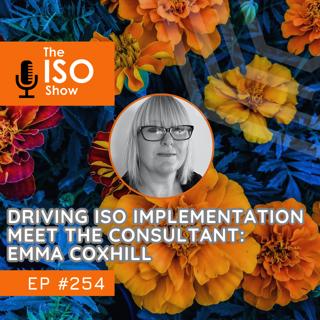
#254 Driving ISO Implementation – Meet the Consultant: Emma Coxhill

#254 Driving ISO Implementation – Meet the Consultant: Emma Coxhill

The path towards becoming an ISO consultant is often a meandering one. It's not often a career that many aspire to, yet despite that, there are still thousands of ISO professionals worldwide. We're c...

1 Jul 25min
#253 Building The Case For Health & Safety Regulations & Standards

#253 Building The Case For Health & Safety Regulations & Standards

Everyone who goes to work should have the right to go home after work. This is a sentiment that wasn't necessarily formally recognised until the 1970's here in the UK.   Health & Safety often gets mo...

24 Jun 27min
#252 Wavenet's On-going Commitment to Best Practice – Successfully Maintaining Seven ISO Standards

#252 Wavenet's On-going Commitment to Best Practice – Successfully Maintaining Seven ISO Standards

Anyone that has undergone the ambitious task of Implementing an ISO Standard will know how much work goes into creating and maintaining a single ISO certification. Now imagine juggling seven ISO certi...

17 Jun 33min
#251 Driving The Demand For GHG Emissions - How Davies Group Tackled Carbon Verification

#251 Driving The Demand For GHG Emissions - How Davies Group Tackled Carbon Verification

Watch the video interview here Carbon verification is quickly becoming a necessary step for many businesses, whether due to regulatory compliance, market demand or as part of a voluntary scheme. The...

10 Jun 34min

Populært innen Business og økonomi

stopp-verden
dine-penger-pengeradet
rss-penger-polser-og-politikk
e24-podden
rss-borsmorgen-okonominyhetene
rss-pa-konto
rss-skravla-gar
pengepodden-2
utbytte
finansredaksjonen
tid-er-penger-en-podcast-med-peter-warren
stormkast-med-valebrokk-stordalen
rss-orjasater
lederpodden
livet-pa-veien-med-jan-erik-larssen
pengesnakk
morgenkaffen-med-finansavisen
lydartikler-fra-aftenposten
liberal-halvtime
rss-markedspuls-2