Your brain on language
Using language is a complex business. Let's say you want to understand a sentence. You first need to parse a sequence of sounds—if the sentence is spoken—or images—if it's signed or written. You need ...
12 Des 20241h 32min
Nestcraft
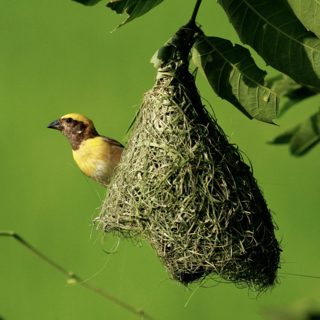
How do birds build their nests? By instinct, of course—at least that's what the conventional wisdom tells us. A swallow builds a swallow's nest; a robin builds a robin's nest. Every bird just follows ...
27 Nov 20241h 20min
Animal, heal thyself
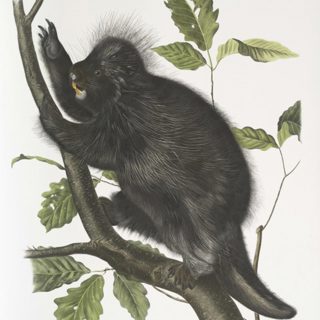
What happens to animals when they get sick? If they're pets or livestock, we probably call the vet. And the vet may give them drugs or perform a procedure. But what about wild animals? Do they just la...
14 Nov 20241h 7min
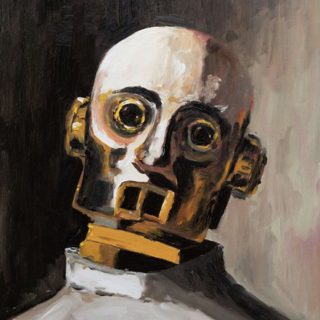
The rise of machine culture
The machines are coming. Scratch that—they're already here: AIs that propose new combinations of ideas; chatbots that help us summarize texts or write code; algorithms that tell us who to friend or fo...
31 Okt 20241h 20min

How should we think about IQ?
IQ is, to say the least, a fraught concept. Psychologists have studied IQ—or g for "general cognitive ability"—maybe more than any other psychological construct. And they've learned some interesting t...
17 Okt 20241h 33min

Rethinking the "wood wide web"
Forests have always been magical places. But in the last couple decades, they seem to have gotten a little more magical. We've learned that trees are connected to each other through a vast underground...
3 Okt 20241h 16min

Electric ecology
There's a bit of a buzz out there, right now, but maybe you haven't noticed. It's in the water, it's in the air. It's electricity—and it's all around us, all the time, including in some places you mig...
19 Sep 20241h 33min

The nature of nurture
The idea of a "maternal instinct"—the notion that mothers are wired for nurturing and care—is a familiar one in our culture. And it has a flipside, a corollary—what you might call "paternal aloofness....
5 Sep 20241h 16min




















