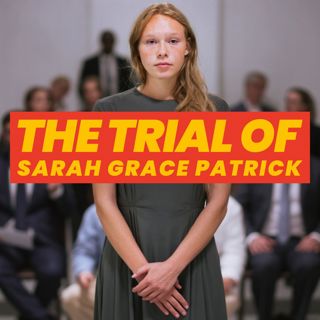
Sarah Grace Patrick Case: What Evidence Actually Exists Before Her January Murder Trial?
Sarah Grace Patrick goes to trial January 5th, 2026, charged as an adult with murdering her mother and stepfather. She's seventeen. She's been held without bond since July. Prosecutors have promised mountains of evidence. So what do we actually know heading into trial? Kristin and James Brock were found shot to death in their bed on February 20th, 2025. Their five-year-old daughter discovered the bodies. Sarah called 911. No signs of forced entry. Nothing stolen. One door left ajar. For months after, Sarah posted grief content on TikTok, reached out to true crime creators, and gave a eulogy investigators called suspicious. She allegedly told one content creator the coverage "would be a really big hit." That's the digital evidence that's been made public. What hasn't been disclosed: the murder weapon, a motive, or any physical evidence tying Sarah to the shootings. Her defense says they haven't received full discovery. Her grandfather insists she's innocent. The Brock family says they fear for their lives. Court documents reveal a troubled family history — custody battles, drug allegations, a stepfather on probation for meth offenses, a 2022 accusation that the mother tried to run the stepfather over before they married. And the prosecution's key witness may be a six-year-old child testifying against her own sister. We break down everything publicly known about this case before the trial begins. #SarahGracePatrick #TrueCrime #TrueCrimeToday #CarrollCounty #KristinBrock #JamesBrock #GeorgiaMurder #MurderTrial #CourtTV #TrialWatch Join Our SubStack For AD-FREE ADVANCE EPISODES & EXTRAS!: https://hiddenkillers.substack.com/ Want to comment and watch this podcast as a video? Check out our YouTube Channel. https://www.youtube.com/@hiddenkillerspod Instagram https://www.instagram.com/hiddenkillerspod/ Facebook https://www.facebook.com/hiddenkillerspod/ Tik-Tok https://www.tiktok.com/@hiddenkillerspod X Twitter https://x.com/tonybpod
5 Jan 21min
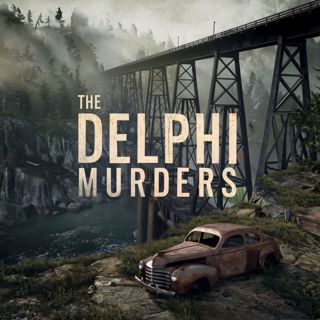
The Delphi Warrant — Did Police Mislead the Judge to Get Richard Allen?
Everything in the Delphi case traces back to one document: the probable cause affidavit used to search Richard Allen’s home. According to the appeal, that affidavit didn’t just summarize evidence — it allegedly reshaped it. Defense attorney Bob Motta walks through claims that witness descriptions were altered, contradictions were omitted, and statements were presented to the judge in ways that made Allen appear far more consistent with “Bridge Guy” than the actual record supports. Key eyewitness descriptions that conflicted with Allen’s age, height, hair, and vehicle were left out. Statements allegedly attributed to Allen about his clothing and movements may not match what he actually said in interviews. If those allegations are accurate, the legal consequences are enormous. A misleading affidavit can invalidate a warrant — and if the warrant falls, so does everything that came after it: the gun, the cartridge comparison, the arrest, and potentially the confessions. This conversation breaks down what officers are legally required to disclose in a probable cause affidavit, when omissions become constitutional violations, and why the denial of a Franks hearing is now a central issue on appeal. #DelphiMurders #DelphiAppeal #RichardAllen #ProbableCause #FranksHearing #HiddenKillers #TrueCrimeLaw Join Our SubStack For AD-FREE ADVANCE EPISDOES & EXTRAS!: https://hiddenkillers.substack.com/ Want to comment and watch this podcast as a video? Check out our YouTube Channel. https://www.youtube.com/@hiddenkillerspod Instagram https://www.instagram.com/hiddenkillerspod/ Facebook https://www.facebook.com/hiddenkillerspod/ Tik-Tok https://www.tiktok.com/@hiddenkillerspod X Twitter https://x.com/tonybpod Listen Ad-Free On Apple Podcasts Here: https://podcasts.apple.com/us/podcast/true-crime-today-premium-plus-ad-free-advance-episode/id1705422872
5 Jan 17min
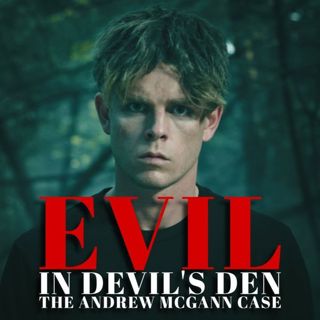
Devil’s Den: 911 Dispatcher Speaks, Eyewitness Reveals Chaos — And the Red Flags No One Saw Coming | 2025 True Crime
The Devil’s Den tragedy shocked the nation — but the most revealing accounts aren’t found in police reports. They come from the people who lived those first moments: the 911 dispatcher who heard the terror unfold in real time, and an eyewitness who watched the horror play out before authorities arrived. In this exclusive Hidden Killers episode, Tony Brueski takes you inside those raw, frantic first minutes of the double homicide that forever changed a Kentucky community. The dispatcher recounts the moment the call came in — the panic in the caller’s voice, the uncertainty, the split-second decisions that can mean life or death. Her account exposes the confusion, fear, and heroism of a system responding to the unimaginable. The eyewitness adds a second layer to the timeline, describing what she saw, what she felt, and the shock that still lingers. But the episode doesn’t stop there. In the second half, we hear from Katie — a stylist who interacted with alleged killer Andrew McGann multiple times before the murders. Her story reveals the chilling mundanity of evil: the soft-spoken man in a salon chair, the too-curious questions about her daughter, the awkward smiles, the unannounced after-hours visit that didn’t feel overtly threatening… but didn’t feel safe either. She didn’t know then. She knows now. Piece by piece, Tony unpacks the patterns — the subtle red flags, the overlooked signals, the institutional failures that allowed McGann to move from school to school without accountability. These first-person accounts are not speculation; they are the lived experiences that help explain how someone who seemed “normal enough” could allegedly commit something so monstrous. This is the Devil’s Den story like you’ve never heard it — up close, unfiltered, and unforgettable. #DevilsDen #AndrewMcGann #HiddenKillers #TonyBrueski #911Call #Eyewitness #TrueCrimePodcast #RedFlags #BehavioralAnalysis #DevilsDenMurders Want to comment and watch this podcast as a video? Check out our YouTube Channel. https://www.youtube.com/@hiddenkillerspod Instagram https://www.instagram.com/hiddenkillerspod/ Facebook https://www.facebook.com/hiddenkillerspod/ Tik-Tok https://www.tiktok.com/@hiddenkillerspod X Twitter https://x.com/tonybpod Listen Ad-Free On Apple Podcasts Here: https://podcasts.apple.com/us/podcast/true-crime-today-premium-plus-ad-free-advance-episode/id1705422872
5 Jan 1h 1min
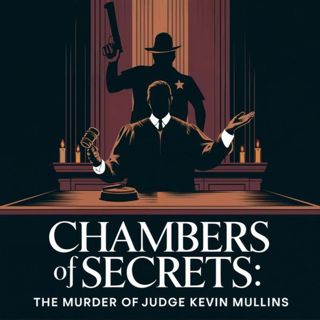
Sheriff Stines Snaps: Judge Mullins Murder, Paranoia & the Grand Jury Secrets Revealed | 2025 True Crime
On September 19th, 2024, the justice system in Whitesburg, Kentucky ruptured in the most shocking way imaginable: Sheriff Shawn “Mickey” Stines walked into Judge Kevin Mullins’ chambers and opened fire, killing his longtime friend — just minutes after they’d shared lunch. The entire murder was captured on courthouse surveillance, leaving the community stunned and searching for answers. In this gripping episode of Hidden Killers, Tony Brueski is joined by psychotherapist and author Shavaun Scott to examine the psychological unraveling behind a sheriff killing a judge on camera. Was this an act of madness? A collapse under pressure? Or something far more calculated? Just three days before the shooting, Stines had been deposed in a civil case involving allegations of corruption and misconduct inside his own office. Investigators are now asking whether mounting legal pressure pushed him toward a breaking point, or whether he believed silencing Mullins would somehow change his fate. Bodycam footage captured immediately afterward shows Stines muttering paranoid claims like “you’re going to kill me,” even as he surrendered without resistance. Was this genuine psychosis, trauma, or an attempt to set the stage for an insanity defense? In the second half, Tony, Stacy Cole, Todd Michaels, and attorney Eric Faddis break down newly released grand jury transcripts revealing that key evidence — including a mental-health diagnosis the day before the shooting — was never presented to jurors. Intake records describing Stines as “actively psychotic,” footage showing visible paranoia, and behind-the-scenes prosecutorial decisions all raise a critical question: was justice compromised before the trial even began? This is the story of a sheriff’s psychological collapse — and the cracks in a justice system now forced to confront its own failures. #MickeyStines #JudgeMullins #HiddenKillers #TonyBrueski #CourthouseMurder #TrueCrimePodcast #MentalHealthDefense #GrandJury #EricFaddis #PsychologicalAnalysis Want to comment and watch this podcast as a video? Check out our YouTube Channel. https://www.youtube.com/@hiddenkillerspod Instagram https://www.instagram.com/hiddenkillerspod/ Facebook https://www.facebook.com/hiddenkillerspod/ Tik-Tok https://www.tiktok.com/@hiddenkillerspod X Twitter https://x.com/tonybpod Listen Ad-Free On Apple Podcasts Here: https://podcasts.apple.com/us/podcast/true-crime-today-premium-plus-ad-free-advance-episode/id1705422872
4 Jan 31min
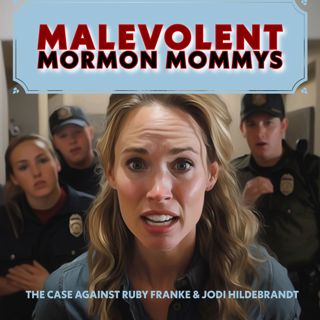
Kevin Franke: Manipulated Victim or Willing Bystander? The Psychology Behind ‘Devil in the Family’ | 2025 True Crime
Was Kevin Franke a victim of psychological manipulation — or a bystander who found it easier not to look too closely? In this gripping Hidden Killers deep dive, Tony Brueski and psychotherapist Shavaun Scott analyze one of the most troubling dynamics explored in Hulu’s Devil in the Family: a father who insists he never recognized the abuse happening under his own roof. The episode begins with the psychology of Kevin’s denial. How does a spouse convince themselves that extreme parenting is “discipline” rather than danger? Shavaun Scott breaks down the mechanisms of thought-reform, coercive influence, and the slow erosion of intuition. And then the most haunting question of all: what makes a father step away from his own children for an entire year because an outside “guru” told him to? But the story doesn’t end with the collapse of the Franke family. Kevin recently announced his engagement, just six months after finalizing his divorce from Ruby — who is now serving a possible 30-year prison sentence for aggravated child abuse. The public reaction has been split: is this healing, deflection, or strategic rebranding? Tony and Shavaun examine the psychology of rapid re-partnering after trauma, the desire to rewrite personal identity, and the fine line between moving forward and bypassing accountability. We also explore Kevin’s recent support of Utah’s new “child influencer” law — a step toward protecting children exploited in monetized online content. His testimony was powerful, but does it reconcile the years he stood behind a camera while harmful parenting was broadcast to millions? This episode asks the hardest questions: Was Kevin controlled — or complicit? Is he rebuilding — or rebranding? And what does accountability look like for the children who had no choice? #KevinFranke #RubyFranke #8Passengers #HiddenKillers #PsychologicalAbuse #DevilInTheFamily #ParentalAccountability #TrueCrimeAnalysis #TonyBrueski #ShavaunScott Want to comment and watch this podcast as a video? Check out our YouTube Channel. https://www.youtube.com/@hiddenkillerspod Instagram https://www.instagram.com/hiddenkillerspod/ Facebook https://www.facebook.com/hiddenkillerspod/ Tik-Tok https://www.tiktok.com/@hiddenkillerspod X Twitter https://x.com/tonybpod Listen Ad-Free On Apple Podcasts Here: https://podcasts.apple.com/us/podcast/true-crime-today-premium-plus-ad-free-advance-episode/id1705422872
4 Jan 29min
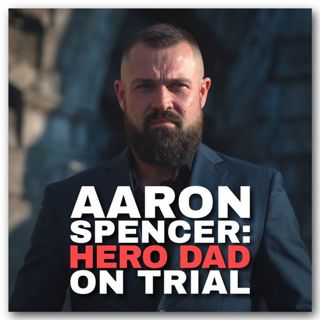
Father vs. Predator: The Aaron Spencer Case & the Murder Charge Shaking Arkansas | 2025 True Crime
What would YOU do if a man already accused of dozens of crimes against your child came back and took her again? That’s the impossible question at the heart of the Aaron Spencer case — a story that exposes not only a horrific personal nightmare, but a justice system many say failed at every step. In this emotional and legally complex episode of Hidden Killers, Tony Brueski and defense attorney Bob Motta walk through the events leading up to the fatal confrontation. According to reports, 67-year-old Michael Foster — already facing multiple charges involving Spencer’s 14-year-old daughter — was released on a shockingly low bond. Not long after, Foster allegedly abducted her again. Aaron Spencer did what desperate parents imagine in their darkest moments: he got in his truck, tracked them down, and confronted the man he believed was repeatedly harming his child. What unfolded next resulted in Foster’s death — and Spencer now charged with murder. Tony and Bob break down what prosecutors must prove, how self-defense applies, whether “defense of another” could factor in, and why some cases blur the line between vigilantism and survival instinct. But the deeper conversation is about failure: a bond decision that baffled the community, a vulnerable child allegedly left unprotected, and a father now facing prison for acting when institutions didn’t. In the second half, Tony and Bob explore the uncomfortable questions circulating publicly: Is this prosecution a straightforward application of the law, or the system trying to protect itself from liability? Does the case reflect a larger pattern of institutional breakdown? And why does public outrage feel so justified? This isn’t just a true crime case. It’s a national debate about parental instinct, justice, and where the system’s responsibility ends. #AaronSpencer #MichaelFoster #HiddenKillers #TonyBrueski #BobMotta #TrueCrimePodcast #JusticeSystemFailure #SelfDefenseCase #ArkansasCrime #ParentalInstinct Want to comment and watch this podcast as a video? Check out our YouTube Channel. https://www.youtube.com/@hiddenkillerspod Instagram https://www.instagram.com/hiddenkillerspod/ Facebook https://www.facebook.com/hiddenkillerspod/ Tik-Tok https://www.tiktok.com/@hiddenkillerspod X Twitter https://x.com/tonybpod Listen Ad-Free On Apple Podcasts Here: https://podcasts.apple.com/us/podcast/true-crime-today-premium-plus-ad-free-advance-episode/id1705422872
4 Jan 35min
Epstein Fallout EXPLODES: DOJ Silence, Institutional Psychology — and Congress Targets Prince Andrew | 2025 True Crime
What happens when a system designed to uncover truth suddenly shuts its own lights off? In this gripping dual-segment episode of Hidden Killers, Tony Brueski and former FBI Special Agent Robin Dreeke dig deep into the psychology of institutional protection — and the escalating political pressure surrounding the Epstein network. In the first half, Robin Dreeke breaks down how organizations drift from accountability into silence. Drawing from decades in counterintelligence, he explains how fear, ambition, and self-preservation turn institutions into shields for the powerful. Using the DOJ’s shutdown of the Epstein co-conspirator probe as a case study — based on concerns raised by Rep. Jamie Raskin in his congressional letter — Robin unpacks how “strategic ignorance,” internal pressure, and denial can override the pursuit of truth. This is not about partisanship; it’s about psychology, and what happens when mission gives way to reputation. Then the story widens. In an unprecedented development, the U.S. House Oversight Committee has formally requested testimony from Prince Andrew regarding his historical association with Jeffrey Epstein. This request, signed by sixteen members of Congress, cites flight logs, financial entries, and survivor allegations — all of which Andrew has consistently denied. Tony breaks down what the congressional letter asks, why lawmakers say new information has emerged, and what cooperation or refusal could mean for Andrew and the monarchy’s already fragile public standing. We analyze the survivor accounts, the alleged documents now in congressional hands, and how political bodies pursue answers when other institutions stand still. No conclusions — just the claims, the context, and the psychology behind why powerful systems protect themselves. If you’ve ever wondered why accountability stops at certain doorways, this episode lays bare the patterns. #HiddenKillers #EpsteinCase #InstitutionalPsychology #RobinDreeke #TonyBrueski #PrinceAndrew #CongressionalInquiry #DOJ #FBI #TrueCrimePodcast Want to comment and watch this podcast as a video? Check out our YouTube Channel. https://www.youtube.com/@hiddenkillerspod Instagram https://www.instagram.com/hiddenkillerspod/ Facebook https://www.facebook.com/hiddenkillerspod/ Tik-Tok https://www.tiktok.com/@hiddenkillerspod X Twitter https://x.com/tonybpod Listen Ad-Free On Apple Podcasts Here: https://podcasts.apple.com/us/podcast/true-crime-today-premium-plus-ad-free-advance-episode/id1705422872
4 Jan 44min
Hulu’s Murdaugh Series vs. Reality: What They Got Right — And What They Didn’t Dare Show
Hulu’s Murdaugh: Death in the Family promised to deliver the full story of South Carolina’s most infamous crime dynasty — but how close does it come to the truth? In this explosive Hidden Killers breakdown, Tony Brueski pulls apart the dramatization and compares it to the real events that toppled a century-old legal empire. From the iconic 911 call and Paul’s kennel video to the financial fraud that stretched across generations, the series captures the chaos — but not the full horror. Tony examines what the show nails, what it glosses over, and, most importantly, what it omits entirely: the cover-ups, the privilege, the quiet manipulation, and the systemic protection that allowed Alex Murdaugh to operate unchecked for decades. Because the real story is bigger than murder — it’s about a family shielded by power until the façade cracked wide open. Then we turn to the tragedy that set the collapse in motion: the death of 19-year-old Mallory Beach. Long before Moselle became a crime scene, the Murdaugh myth began unraveling on a moonlit river. This episode revisits the boat crash, the ER intimidation campaign, and the deputies who allegedly bent procedure to protect Paul Murdaugh. It wasn’t just a cover-up — it was the moment the Lowcountry finally saw the dynasty’s shadow for what it was. Hulu captures the spectacle. But the truth? The truth is darker, sharper, and far more deliberate. And if you think the series told you everything… it didn’t even scratch the surface. Watch this before you mistake Hollywood for history. Because what the cameras didn’t show is where the real story lives — and where the Murdaugh legacy truly died. #MurdaughMurders #HuluSeries #DeathInTheFamily #TrueCrimeBreakdown #MalloryBeach #AlexMurdaugh #FactVsFiction #HiddenKillers #SouthernCorruption #TonyBrueski Want to comment and watch this podcast as a video? Check out our YouTube Channel. https://www.youtube.com/@hiddenkillerspod Instagram https://www.instagram.com/hiddenkillerspod/ Facebook https://www.facebook.com/hiddenkillerspod/ Tik-Tok https://www.tiktok.com/@hiddenkillerspod X Twitter https://x.com/tonybpod Listen Ad-Free On Apple Podcasts Here: https://podcasts.apple.com/us/podcast/true-crime-today-premium-plus-ad-free-advance-episode/id1705422872
4 Jan 33min