Nakba #9 - Abdallah Shahada
Överlevarna29 Dec 2025

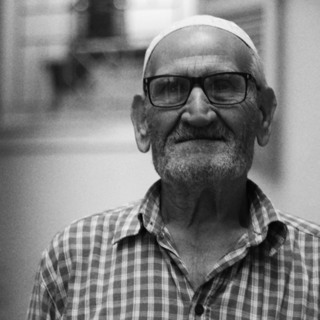
Nakba #9 - Abdallah Shahada

1946 “When I was four, I used to go with my mother to the stream. There we filled our buckets with water. I remember sitting under a tree eating figs. I was never allowed to go to school; instead I had to help on the farm and take care of the sheep. There were no Jews in my village. But in Acre (‘Akka), my father had several Jewish friends. Josef and Schlomo used to come and help us during the harvest season. My mother cooked dinner and we sat and ate together. They were Palestinian Jews, so we were truly close. — What do you mean by Palestinian Jews? They were born in Palestine. Sometimes we called them patriotic Jews. They were not like the European Jews, not like the Zionists, not like the Haganah. When the British brought more and more Jews to Palestine by ship, and the Haganah began to organize, the Palestinian Jews felt forced to join the Haganah. Josef and Schlomo asked my father whether he would kill them if war broke out. ‘No,’ my father replied. ‘I will hide you in my heart.’” 1948 “During Ramadan in 1948, the Jews attacked our village three times. Twice our forces repelled the attacks. The third time, the Jews attacked with aircraft and armored vehicles. They attacked from the west and the north. Women, the elderly, and children—we fled eastward to the village of Abu Sinan. I don’t know how many were killed; we had already fled. My brother Assem, my cousin Hammad, and two of their friends were captured and risked being executed. Among the Israeli forces were our family friends, Josef and Schlomo, and they saved their lives. They told my brother and the others to flee through the bushes so they would not be discovered. We left Abu Sinan. There were nine of us—me, my six siblings, and my parents. We walked for seven hours before reaching the border. We stayed in Bayt Lif, in southern Lebanon. We thought it would be temporary, but we stayed there for two years. We rented a house. My parents had managed to bring some money with them, and they were content with their life. I truly wanted to go to school. When we fled to Lebanon and I was ten, I asked my parents if I could start school. ‘In the homeland you couldn’t go to school; here in the refugee camp it is not possible at all,’ my father replied.” 1950 After two years, we ended up in the UNRWA camp in Burj al-Barajneh in Beirut. They gave us a tent and distributed canned food and flour. But we were not allowed to build a house. — Did you have water and electricity? No. UNRWA installed water taps and toilets around the camp. At first we had no electricity. I began working in a factory that produced arak. I earned 30 lira a month; it wasn’t much. I worked there for six years. When I turned 18, I got married and began working as a vegetable vendor. Then I could earn 15–20 lira a day. When I was little, I often dreamed. And everything I dreamed came true. I dreamed of having a kind wife and kind children. And when I grew up, God gave me both. When I think about the past, I cry.”

Det här avsnittet är hämtat från ett öppet RSS-flöde och publiceras inte av Podme. Det kan innehålla reklam.

Avsnitt(332)

Det judiska Kristianstad #48 - Semmy Rülf

Det judiska Kristianstad #48 - Semmy Rülf

- Pappa var gabai i synagogan i Kristianstad. Ofta saknade de en man, så pappa gick in på Grand Hotell och ringde mamma och så jag fick cykla i väg till synagogan klockan åtta på lördagsmorgonen, gömm...

17 Juli 1h 43min
Det judiska Högalid #47 - Isse Albert

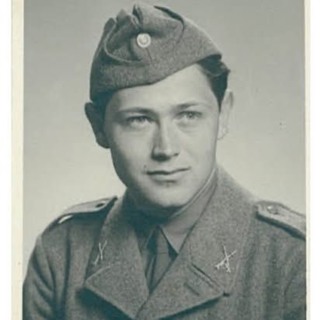
Det judiska Högalid #47 - Isse Albert

På 1950-talet var det många som talade jiddisch på Lindvallsplan 4. En av de var min morbror Isse. Han föddes i polska Rajgrod 1926. Han fick namnet Jisrael Mordechai Albert. På 1930-talet utvandrade ...

10 Juli 12min
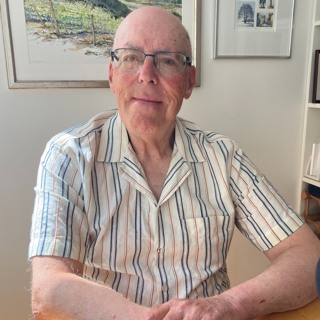
Andra generationen #91 - Lennart Weiss

Andra generationen #91 - Lennart Weiss

- De som har levt i det förgångna lever vidare i mig, säger Lennart Weiss.

3 Juli 1h 42min
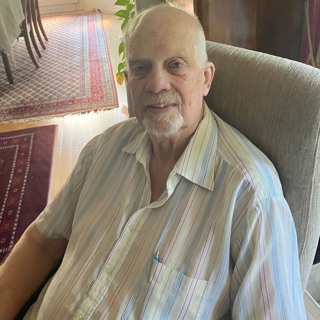
Nakba #63 - Lars Wåhlin

Nakba #63 - Lars Wåhlin

- Vi var främmande kroppar i det här samhället, säger Lars Wåhlin, svensk FN-soldat stationerad i Gaza-remsan, 1960. Intervjuare: Lotta Schüllerqvist och Bernt Hermele Bakgrund: 1956 skapade FN, för ...

24 Juni 1h 24min
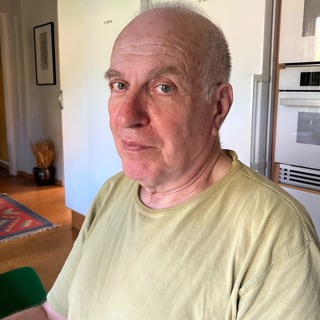
Det judiska Högalid  #46 - Fred Kudrén

Det judiska Högalid #46 - Fred Kudrén

Är det bara ett halvår sen Mikael dog? - Ja. Hur känns det idag? - Det är svårt, till exempel när man letar i bilder. Men det är också konstigt, för jag har inte spelat in någonting med hans röst, säg...

12 Juni 2h 1min
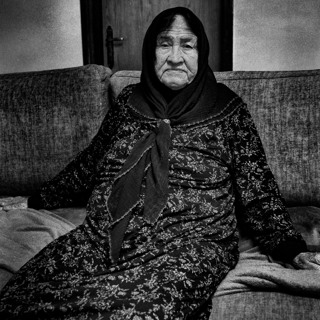
Nakba #62 - Amina Ali Hammoud

Nakba #62 - Amina Ali Hammoud

”I was 14 when the jews attacked our village. My parents prohibited me to go outside, but I ran outside anyway to look at the soldiers. Then I ran back to my mother och explained the Israelis looked j...

8 Juni 27min
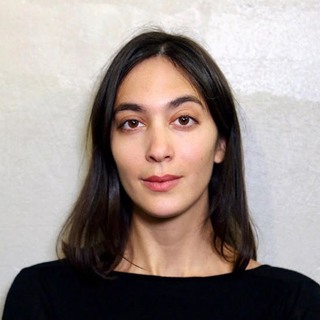
Det judiska Högalid #45 - Josephine Schneider

Det judiska Högalid #45 - Josephine Schneider

Josephine Schneider om varför det tog så lång tid att göra radiodokumentären ”Judehuset som försvann”: - Jag tyckte det var skitjobbigt att göra en judisk grej, att komma ut som jude i en slags offent...

5 Juni 17min
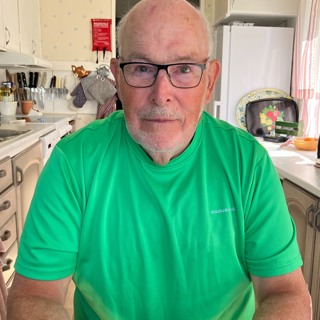
Det judiska Högalid #44 - Tom Granditsky

Det judiska Högalid #44 - Tom Granditsky

- Man ska väl inte prata skit om sin mamma, men när jag var liten och skrek kunde hon säga till pappa: “Ta hand om honom nu, det är du som ville ha honom”, säger Tom Granditsky. - Det är väl inte så r...

29 Maj 1h 49min

Populärt inom Utbildning

historiepodden-se
det-skaver
rss-bara-en-till-om-missbruk-medberoende-2
harrisons-dramatiska-historia
not-fanny-anymore
nu-blir-det-historia
rss-viktmedicinpodden
johannes-hansen-podcast
allt-du-velat-veta
sex-pa-riktigt-med-marika-smith
rikatillsammans-om-privatekonomi-rikedom-i-livet
rss-basta-livet
sa-in-i-sjalen
rss-traningsklubben
i-vantan-pa-katastrofen
sektledare
vi-gar-till-historien
rss-max-tant-med-max-villman
henry-laser-wikipedia
rss-sjalsligt-avkladd