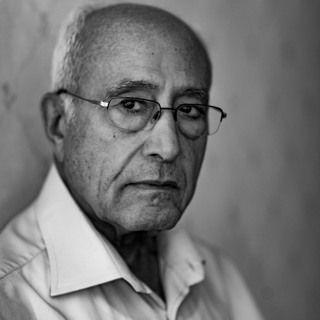
Nakba #10 - Mohamad Zarra
Överlevarna29 Dec 2025

Nakba #10 - Mohamad Zarra

1946 ”As a boy, I remember the beach in Tantura. I was five or six years old. The sand was soft, clean, and white. The water was shallow far out. The coast consisted of alternating coves and small islands. I used to swim in the sea with my father. That is an important memory. 1948 ”I started school in March 1948, but three months later we were forced to flee. Tantura was occupied on May 24, 1948—the same day I turned seven years old. I remember how the bloody night began. I heard bursts of gunfire and the deafening thunder of cannons. The Haganah attacked from three directions. Our family—my aunts on my father’s and mother’s sides and their families—gathered in my grandmother’s house. Everyone was afraid; everyone was screaming and crying. My mother held my three youngest siblings in her arms. That night I could not sleep. Some prayed to Allah; others cursed the Jews. Even the dogs were afraid. More than one hundred villagers were killed that night. In the morning, the streets were filled with bodies. My father and some male relatives went to the school to organize resistance. Around noon the Zionists entered Tantura. The village raised a white flag; there was nothing else to do. The Jewish soldiers gathered the women and children in the square. In the chaos I spotted my mother and my younger siblings. They were searched by female soldiers looking for gold and money. They took everything—rings and necklaces. They tore off earrings so that blood spurted from the women’s and girls’ ears. The soldiers went into the houses and emptied them of everything of value—furniture, valuables, and money. The items were hauled away by horse and cart. Other soldiers collected the dead bodies scattered in the streets. They dumped the bodies in front of the women and children, as a final act of humiliation. Then some of the village’s snipers began shooting at the Zionists again, despite the white flag. They killed some Haganah soldiers, which resulted in the Jewish soldiers, in blind fury, shooting every man who came in their way. People fell like bowling pins. Meanwhile, people from a nearby Jewish settlement joined the Haganah. When things calmed somewhat, we were ordered down to the beach. On the way I saw several dead bodies, among them my maternal grandfather, Abu Hamek Jidek, and one of my uncles, Ami Abdel Aziz. Crying women wandered around looking for men and children among the bodies. The May sun was mercilessly hot. When we reached the beach, the sand was hot like fire. Everyone was barefoot. We began hopping like grasshoppers. We were hungry and thirsty, but the soldiers gave us nothing to eat or drink. My grandfather was the village mukhtar. He had smuggled weapons from Syria to Palestine, and now the Haganah wanted to make an example of him. Two soldiers took him to a house by the beach. They pushed him inside and closed the door. Shortly afterward, two pistol shots echoed out over the sea. The men—those aged sixteen and older—were lined up on the beach. A soldier whipped those who did not keep the line straight. The soldiers marched them away, ten at a time, a few hundred meters down the beach. There they were shot. The remaining men were taken to the village cemetery, lined up, and ordered to dig their own graves. When a line had finished digging, the men were shot in the back of the head and fell into the graves they had dug. We remained on the beach, paralyzed with terror. For some, their stomachs turned. Those of us who survived the massacre were forced to go to Fureidis, a neighboring village about four kilometers away. We walked on foot, and I still remember how badly my legs and feet hurt. We were guarded by soldiers. Some pleaded with the soldiers to be allowed to return to their houses to fetch clothes and other belongings, but in vain. When we arrived in Fureidis, the villagers gave us food and drink. We stayed there for a few days. We learned that the military had blown up all the houses .”

Avsnitt(315)

Det judiska Högalid #37 - Leif Zern

Det judiska Högalid #37 - Leif Zern

- Jag är född Leif Zernjaffsky 1939 på sommaren, vilket jag också hette när jag började i Sofia Folkskola på söder. Men sen förkortade familjen namnet på ett ganska typiskt sätt. Det blev alltid fel n...

13 Mars 1h 42min
Det judiska Högalid #36 - Håkan Forsell

Det judiska Högalid #36 - Håkan Forsell

Vid 1800-talets slut hade cirka 400 öst-judar invandrat till Sverige. Många bosatte sig på Söder, där det fanns många nedgångna och därmed billiga hyreslägenheter. Fattigt folk bytte ofta bostad, ibla...

6 Mars 1h 19min
Det judiska Högalid #35  - Här talas jiddisch!

Det judiska Högalid #35 - Här talas jiddisch!

Apropå förra veckans avsnitt med Leif Freilich har jag grävt fram en av min pappas gamla bandinspelningar. Pappa hade köpt en Grundig bandspelare, med ett grönt magiskt inspelningsöga, någon gång 1956...

27 Feb 8min
Nakba #60 - Mohamed Mahmoud Gadallah

Nakba #60 - Mohamed Mahmoud Gadallah

In 1946 I was working at the King David Hotel in al-Quds when the Irgun carried out a bombing against the southern wing. The British military had its headquarters there. I was in the hotel dining room...

25 Feb 56min
Det judiska Högalid #34 - Leif Freilich

Det judiska Högalid #34 - Leif Freilich

- Pappa fick en stroke och blev delvis förlamad när han var 73. Till slut blev det för tungt för mamma. Pappa kom till Rosenlunds sjukhus, där han låg länge innan han gick bort, säger Leif Freilich. H...

21 Feb 1h 28min
Nakba #59 - Hassan Ibrahim al-Najjar

Nakba #59 - Hassan Ibrahim al-Najjar

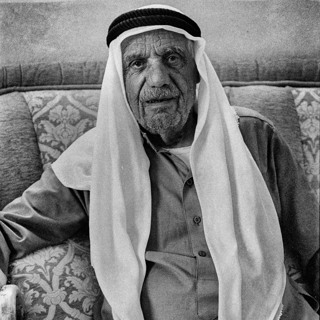
1948 “My father had binoculars that I was allowed to borrow. Through them I could see how the Zionists burned down the Bedouins’ tents on the outskirts of Ṭabariyya (Tiberias). Some of the Bedouins di...

21 Feb 34min
Det judiska Högalid #33 - Yosel Broide

Det judiska Högalid #33 - Yosel Broide

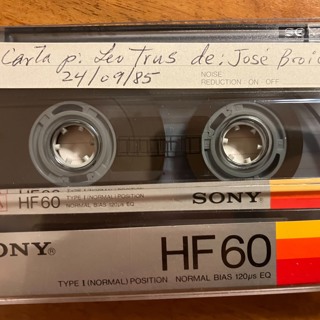
I avsnitt #31 av Det judiska Högalid berättade Herbert Trus att hans far, Lejb Trus, anslöt sig till partisanerna i skogarna utanför Bransk, efter den tyska ockupationen av delar av Polen, 1939. Histo...

20 Feb 21min
Det judiska Högalid #32 - Peter Haas

Det judiska Högalid #32 - Peter Haas

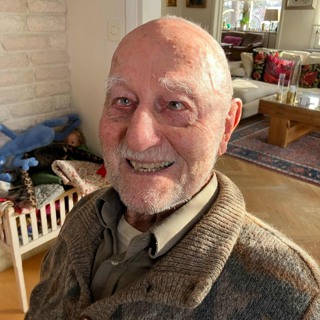
- Mina föräldrars äktenskap var inte lyckligt. Mamma fick tre barn med tre olika män, säger Peter Haas.

13 Feb 1h 36min

Populärt inom Utbildning

historiepodden-se
rss-bara-en-till-om-missbruk-medberoende-2
det-skaver
alska-oss
harrisons-dramatiska-historia
nu-blir-det-historia
sektledare
rss-viktmedicinpodden
johannes-hansen-podcast
not-fanny-anymore
roda-vita-rosen
i-vantan-pa-katastrofen
rss-sjalsligt-avkladd
allt-du-velat-veta
rss-basta-livet
rss-om-vi-ska-vara-arliga
sa-in-i-sjalen
rss-max-tant-med-max-villman
rikatillsammans-om-privatekonomi-rikedom-i-livet
rss-pa-insidan-med-bjorn-rudman