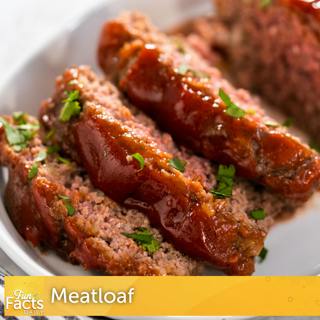

Fun Facts About Meatloaf

Fun Facts About Meatloaf

Meatloaf underwent a significant transformation in the 19th century following the invention of the mechanical meat grinder by Karl Drais, which eliminated the labor-intensive process of manual mincing. During the Great Depression, meatloaf became a cornerstone of American cuisine as resourceful home cooks used fillers such as oats, crackers, and breadcrumbs to stretch limited meat supplies into hearty, family-sized meals—a practice popularized by major food corporations through printed recipes on packaging. In August 2009, a team in Germany set a Guinness World Record by baking a massive Leberkäse, a traditional German-style meatloaf, that weighed approximately 6,874 pounds. This record-breaking dish measured 50 feet long and required a specialized oven constructed specifically to accommodate its enormous size. The culinary success of a meatloaf depends largely on the Maillard reaction, a chemical process discovered by Louis-Camille Maillard in which heat causes amino acids and sugars to produce a savory, caramelized crust. To maintain a tender texture, chefs utilize a panada, a mixture of starches and liquids that prevents meat proteins from bonding too tightly and becoming dense. Achieving a moist result also requires proper resting; allowing the meat to sit for 10 to 15 minutes after baking enables the muscle proteins to relax and reabsorb flavorful juices that would otherwise be lost during slicing. Want to learn more? Head over to my website www.funfactsdailypod.com and be sure to listen to my other podcasts Who ARTed: Weekly Art History for All Ages or Art Smart. For family fun, check out my son's podcast Rainbow Puppy Science Lab Fun Facts Daily is an Airwave Media Podcast. If you are interested in advertising on this or any other Airwave Media show, email: advertising@airwavemedia.com Learn more about your ad choices. Visit megaphone.fm/adchoices

Det här avsnittet är hämtat från ett öppet RSS-flöde och publiceras inte av Podme. Det kan innehålla reklam.

Avsnitt(366)

Fun Facts About Ha Long Bay

Fun Facts About Ha Long Bay

Ha Long Bay, located in northeastern Vietnam’s Gulf of Tonkin, is a UNESCO World Heritage site renowned for its striking seascape of nearly 2,000 limestone islands and islets. Formed from thick layers...

14 Sep 14min
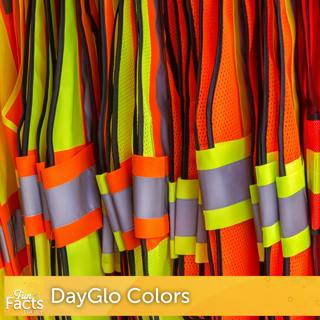
Fun Facts About DayGlo Colors

Fun Facts About DayGlo Colors

Day-Glo colors owe their existence to an accidental discovery made by brothers Bob and Joe Switzer in the 1930s while Bob was recovering from an injury in a dark basement. Unlike standard pigments, wh...

11 Sep 16min
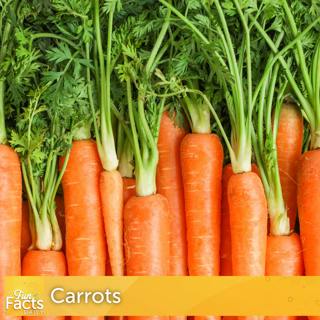
Fun Facts About Carrots

Fun Facts About Carrots

Carrots are nutrient-dense root vegetables rich in carotenoids, natural pigments synthesized by plants, most notably beta-carotene. Once digested, beta-carotene converts to vitamin A, supporting cellu...

10 Sep 13min

Fun Facts About the Solar System

Fun Facts About the Solar System

The solar system operates on immense scales governed by extreme physical environments, orbital mechanics, and surprising planetary characteristics. At its center, the Sun contains approximately 99.86%...

9 Sep 15min

Fun Facts About the Sistine Chapel

Fun Facts About the Sistine Chapel

The Sistine Chapel, commissioned in 1473 by Pope Sixtus IV and built to echo the biblical proportions of Solomon’s Temple, is one of the pinnacle achievements of Renaissance architecture and art. Span...

8 Sep 14min

Fun Facts About Unusual Jobs

Fun Facts About Unusual Jobs

While many careers follow traditional paths, several vital professions operate far outside conventional office environments. From certified water slide inspectors using multi-axis accelerometers and f...

7 Sep 16min
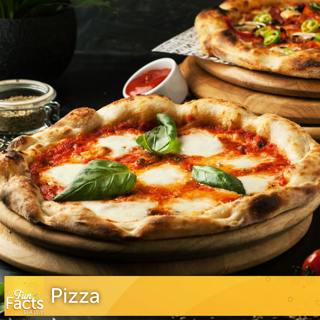
Fun Facts About Pizza

Fun Facts About Pizza

Pizza has evolved from a traditional Mediterranean staple into one of the most commercially significant foods on the planet, with origins tracing back to ancient flatbreads and medieval Italian manusc...

4 Sep 16min

Fun Facts About Your Olfactory System (Sense of Smell)

Fun Facts About Your Olfactory System (Sense of Smell)

The human olfactory system is an intricate sensory network capable of distinguishing an estimated one trillion distinct odor combinations through combinatorial receptor codes. Positioned high within t...

3 Sep 13min

Populärt inom Utbildning

historiepodden-se
rss-bara-en-till-om-beroende-medberoende
det-skaver
harrisons-dramatiska-historia
nu-blir-det-historia
allt-du-velat-veta
rss-viktmedicinpodden
not-fanny-anymore
roda-vita-rosen
johannes-hansen-podcast
rss-max-tant-med-max-villman
rikatillsammans-om-privatekonomi-rikedom-i-livet
i-vantan-pa-katastrofen
sa-in-i-sjalen
rss-ar-det-rimligt
rss-traningsklubben
rss-foraldramotet-bring-lagercrantz
polisutbildningspodden
rss-basta-livet
rss-autismandan