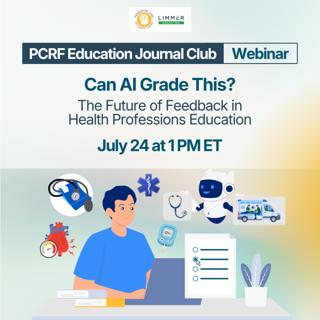
Can AI Grade This? The Future of Feedback in Health Professions Education
Can ChatGPT deliver meaningful feedback that rivals an experienced educator? Join us as we examine new research comparing AI-generated and faculty feedback in medical education, explore what students ...
9 Aug 56min
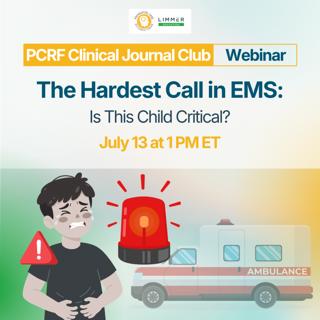
The Hardest Call in EMS: Is This Child Critical?
In this episode, we take on one of the most challenging questions in prehospital care: how do we know when a child is truly critically ill? Pediatric patients don’t always present as we expect, and in...
17 Juli 58min
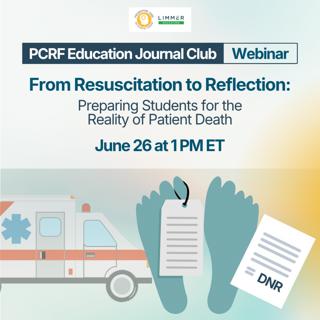
From Resuscitation to Reflection: Preparing Students for the Reality of Patient Death
How do we prepare paramedic students for the moments when resuscitation ends and grief begins? This journal club explores innovative approaches to teaching death, dying, bereavement care, and difficul...
2 Juli 1h 3min
The Return of Whole Blood: Hype or High-Value Care?
In this episode, we explore one of the most talked-about shifts in trauma care: the return of whole blood in prehospital resuscitation. Is it truly a game changer, or simply a more streamlined way to ...
10 Juni 43min
Training Without Patients? Live from ACCREDITCON
LIVE from ACCREDITCON in New Orleans! When clinical sites are scarce, simulation steps in—but what does that mean for paramedic education? This episode dives into national accreditation data to examin...
9 Juni 50min
Push or Squeeze: Which CPR Device Wins?
In this episode, we take on a simple but important question in modern resuscitation: when machines take over CPR, does the type of device actually matter? Mechanical CPR use continues to grow across E...
13 Maj 1h 2min
Bearing Witness: The Hidden Cost of Paramedic Training
Paramedic students don't just practice clinical skills during their clinical rotations—they are often present for emotionally intense, high-stakes moments in patient care. This journal club explores a...
5 Maj 1h 3min