The Psychology Behind Addiction Denial

The Psychology Behind Addiction Denial

Welcome to another episode of Cracking Addiction! I'm your host, Dr. Ferghal Armstrong, and the brilliant Dr. Laura Petracek is joining me today.

In this episode, we dive deep into the topic of why some patients feel they don't need to achieve abstinence and believe they can control their substance use or drinking.

We explore the psychological aspects at play, including cognitive distortions and denial. We also discuss the underlying reasons behind this cognitive distortion, such as the enjoyment and positive effects of alcohol and using it to suppress negative emotions.

But how do we approach treatment for patients who are engaged but not acknowledging the need for abstinence?

Dr. Petracek shares her insights on using a harm reduction approach and motivational interviewing to meet the clients where they are. We also touch upon the fear associated with contemplating a life without alcohol and the importance of shifting negative goals to positive ones.

Lastly, we examine the impact of trauma and impulse control disorders on substance use and how to address trauma in this context.

So grab a cup of coffee, sit back, and join us as we unlock the complexities of addiction on Cracking Addiction.

00:00:04 Discuss the patient's reluctance to achieve abstinence.

00:06:15 Tracking alcohol consumption to break denial promotes self-reflection.

00:09:04 Commit to engagement, reduce consumption, and seek support.

00:13:32 Trauma is a key driver for addiction.

00:17:58 Some people can control their drinking.

00:20:43 Consequences of risking sober successes for a thrill.

Det här avsnittet är hämtat från ett öppet RSS-flöde och publiceras inte av Podme. Det kan innehålla reklam.

Avsnitt(246)

Meth Withdrawal — Why It Takes 6 Months to Feel Normal Again

Meth Withdrawal — Why It Takes 6 Months to Feel Normal Again

Why does meth withdrawal take 6 months when alcohol withdrawal takes days?It's all about dopamine depletion and neuroplasticity 🧠Dr. Ferghal breaks down:• The 3-phase withdrawal timeline• What happen...

27 Maj 6min
Childhood Obesity: Why 30% of Kids We Help Have Food Trauma Issues

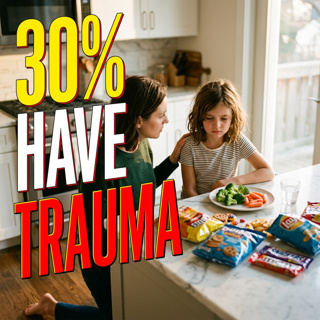
Childhood Obesity: Why 30% of Kids We Help Have Food Trauma Issues

30% of kids with excess weight that we help have trauma-based eating patterns. That's not willpower failure — that's biology. When children experience domestic violence, financial stress, or emotional...

20 Maj 16min
Binge Drinking: The Hidden Truth About Weekend Warriors

Binge Drinking: The Hidden Truth About Weekend Warriors

MYTH: You need to hit 'rock bottom' to recover from addiction. But here's what addiction specialist Dr. Ferghal Armstrong's guest Tom reveals: his worst moment wasn't losing everything – it was waking...

13 Maj 21min
Attachment Issues Cause Addiction - 4 Types That Lead to Drugs

Attachment Issues Cause Addiction - 4 Types That Lead to Drugs

Think trauma only happens from big events like car crashes? Wrong. Dr. Ferghal here with a myth-bust that'll change how you see childhood forever.The biggest trauma isn't what you think — it's relatio...

6 Maj 24min

Benzodiazepine Withdrawal Waves Explained | Ashton Protocol

Benzodiazepine Withdrawal Waves Explained | Ashton Protocol

Most people are told that benzodiazepine withdrawal should improve in a straight line. That myth keeps many people trapped in shame, fear, and confusion when symptoms come back in waves. But brain rec...

23 Apr 7min

Quit Smoking: 30% Better Recovery from Drug Addiction

Quit Smoking: 30% Better Recovery from Drug Addiction

Dopamine pathways and addiction recovery: Why smoking during addiction treatment reduces your chances of lasting sobriety by 30%🚬 THE MYTH WE'VE ALL BELIEVEDFor decades, addiction treatment centres h...

15 Apr 3min

3 Evidence-Based Recovery Models That Actually Work

3 Evidence-Based Recovery Models That Actually Work

Recovery paths aren't one-size-fits-all. Dr. Fergal Armstrong explains why neuroplasticity supports multiple evidence-based approaches to addiction recovery.**THE MYTH: One "Right" Way to Recover**Soc...

8 Apr 7min

The Neuroscience of Cravings and Brain Recovery

The Neuroscience of Cravings and Brain Recovery

Addiction neuroscience explains why cravings feel urgent, physical, and overpowering—and why that does not mean recovery is impossible.Many people still believe cravings happen because of weak willpow...

3 Apr 5min

Populärt inom Hälsa

somna-med-henrik
rss-bara-en-till-om-missbruk-medberoende-2
inga-beiga-morsor
rss-vuxna-pa-latsas
johannes-hansen-podcast
angestpodden
sova-med-dan-horning
sexnoveller-deluxe
rss-viktmedicinpodden
not-fanny-anymore
rss-jossan-nina
sa-in-i-sjalen
brottarbroder
rss-basta-livet
tyngre-radio
rss-relationsrevolutionen
smartare-fitness-podden
halsoveckan-by-tyngre
sex-pa-riktigt-med-marika-smith
rss-sjalsligt-avkladd