Reflecting on the Fourth Step: Exploring the Importance of the Moral Inventory in Recovery

Reflecting on the Fourth Step: Exploring the Importance of the Moral Inventory in Recovery

In this episode, Dr. Ferghal Armstrong and Dr. Laura Petracek explore the fourth step of the twelve-step program - making a searching and fearless moral inventory.

They discuss why this step is crucial for individuals with alcohol or substance use disorders, and how it can lead to a sense of relief and freedom from self-loathing.

The conversation also covers the fifth step, where confession to a sponsor plays a significant role in the recovery journey. If you're looking for insights and guidance on how to navigate these steps and overcome addiction, this episode is for you.

Key Points and Learning Outcomes:

1. The Importance of a Moral Inventory: The fourth step involves taking an honest and fearless inventory of oneself, examining the wreckage caused by addiction in areas such as relationships, jobs, and personal well-being. By facing the consequences of their actions, individuals can gain a clearer perspective on the impact of their addiction.

2. Relief and Support: Engaging in a moral inventory often brings a sense of relief as individuals unload the weight of negativity and self-loathing. Knowing that others have experienced similar challenges and mistakes through the support of sponsors and recovery groups can provide comfort and foster a sense of belonging.

3. Fearlessness Through Willingness: While the idea of a moral inventory may initially evoke fear, the first step towards it is willingness. By acknowledging and embracing the need for self-reflection and growth, individuals can gradually become more fearless in their journey towards recovery.

4. Resentments as Fuel for Addiction: Resentments are identified as the number one offender and a driving factor behind relapse. The constant replaying of negative thoughts and emotions can lead individuals to seek solace in addictive behaviours. Addressing and processing resentments is crucial for long-term sobriety.

5. Aligning with Moral Values: Addiction often leads individuals to act against their own moral values, such as honesty, fidelity, or generosity. Through the fourth step, individuals reintroduce themselves to their moral anchors, reestablishing their values as a guidepost for recovery.

Actionable Takeaways:

1. Embrace the fear: Recognize that starting a moral inventory may be frightening but understand that it is a necessary and brave step towards recovery. Allow willingness to pave the way for fearlessness.

2. Seek support: Engage with a sponsor or join a four-step group to create a sense of community and combat feelings of isolation. Hearing others' experiences and realizing you're not alone can foster a compassionate perspective towards oneself.

3. Address resentments: Identify resentments and work on processing and releasing them. Understand that holding onto resentments only perpetuates the cycle of addiction, and forgiveness and acceptance can pave the way towards healing.

4. Realign with core values: Take time to reflect on one's moral values and assess where addiction has led to their violation. Make a commitment to realign actions and choices with those core values, fostering personal growth and integrity.

Quote:

"Resentments are the number one offender and the number one reason that people go back out and relapse." - Dr. Laura Petracek

Det här avsnittet är hämtat från ett öppet RSS-flöde och publiceras inte av Podme. Det kan innehålla reklam.

Avsnitt(246)

Meth Withdrawal — Why It Takes 6 Months to Feel Normal Again

Meth Withdrawal — Why It Takes 6 Months to Feel Normal Again

Why does meth withdrawal take 6 months when alcohol withdrawal takes days?It's all about dopamine depletion and neuroplasticity 🧠Dr. Ferghal breaks down:• The 3-phase withdrawal timeline• What happen...

27 Maj 6min
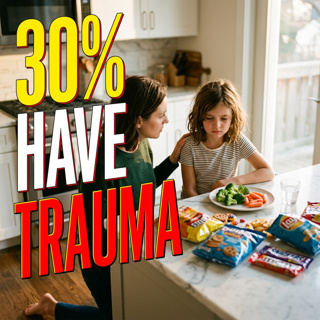
Childhood Obesity: Why 30% of Kids We Help Have Food Trauma Issues

Childhood Obesity: Why 30% of Kids We Help Have Food Trauma Issues

30% of kids with excess weight that we help have trauma-based eating patterns. That's not willpower failure — that's biology. When children experience domestic violence, financial stress, or emotional...

20 Maj 16min
Binge Drinking: The Hidden Truth About Weekend Warriors

Binge Drinking: The Hidden Truth About Weekend Warriors

MYTH: You need to hit 'rock bottom' to recover from addiction. But here's what addiction specialist Dr. Ferghal Armstrong's guest Tom reveals: his worst moment wasn't losing everything – it was waking...

13 Maj 21min
Attachment Issues Cause Addiction - 4 Types That Lead to Drugs

Attachment Issues Cause Addiction - 4 Types That Lead to Drugs

Think trauma only happens from big events like car crashes? Wrong. Dr. Ferghal here with a myth-bust that'll change how you see childhood forever.The biggest trauma isn't what you think — it's relatio...

6 Maj 24min

Benzodiazepine Withdrawal Waves Explained | Ashton Protocol

Benzodiazepine Withdrawal Waves Explained | Ashton Protocol

Most people are told that benzodiazepine withdrawal should improve in a straight line. That myth keeps many people trapped in shame, fear, and confusion when symptoms come back in waves. But brain rec...

23 Apr 7min

Quit Smoking: 30% Better Recovery from Drug Addiction

Quit Smoking: 30% Better Recovery from Drug Addiction

Dopamine pathways and addiction recovery: Why smoking during addiction treatment reduces your chances of lasting sobriety by 30%🚬 THE MYTH WE'VE ALL BELIEVEDFor decades, addiction treatment centres h...

15 Apr 3min

3 Evidence-Based Recovery Models That Actually Work

3 Evidence-Based Recovery Models That Actually Work

Recovery paths aren't one-size-fits-all. Dr. Fergal Armstrong explains why neuroplasticity supports multiple evidence-based approaches to addiction recovery.**THE MYTH: One "Right" Way to Recover**Soc...

8 Apr 7min

The Neuroscience of Cravings and Brain Recovery

The Neuroscience of Cravings and Brain Recovery

Addiction neuroscience explains why cravings feel urgent, physical, and overpowering—and why that does not mean recovery is impossible.Many people still believe cravings happen because of weak willpow...

3 Apr 5min

Populärt inom Hälsa

somna-med-henrik
rss-bara-en-till-om-missbruk-medberoende-2
inga-beiga-morsor
rss-vuxna-pa-latsas
johannes-hansen-podcast
angestpodden
sova-med-dan-horning
sexnoveller-deluxe
rss-viktmedicinpodden
not-fanny-anymore
rss-jossan-nina
sa-in-i-sjalen
brottarbroder
rss-basta-livet
tyngre-radio
rss-relationsrevolutionen
smartare-fitness-podden
halsoveckan-by-tyngre
sex-pa-riktigt-med-marika-smith
rss-sjalsligt-avkladd