Understanding ADHD: From Childhood to Adulthood

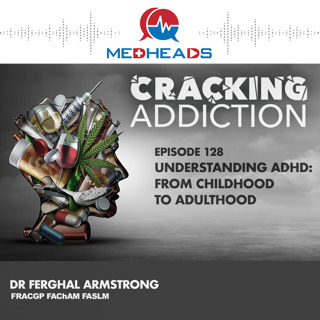
Understanding ADHD: From Childhood to Adulthood

In this groundbreaking episode of Cracking Addiction, Dr. Ferghal Armstrong and Manu Bhatnagar guide listeners through a deep dive into ADHD, unraveling its complexities and controversies. The duo dissects the widely debated concept of ADHD from a neuropsychological standpoint, exploring its validity, prevalence, and implications for both children and adults. Listeners will gain valuable insights into the social constructs and cultural influences shaping ADHD diagnosis and management.

**Key Points**:

1. ADHD as a Real Neurological Disorder

2. Social Construct Controversy

3. Prevalence and Diagnostic Criteria

4. ADHD in Children and Adults

5. Retrospective Diagnosis and Comorbidities

6. Higher Prevalence in Incarcerated Populations and Substance Users

**Learning Outcomes**:

1. Understanding ADHD as a Real Neurological Disorder:

Dr. Bhatnagar's explanation sheds light on the misconceptions surrounding ADHD and reaffirms its standing as a neurodevelopmental disorder. Listeners will gain a comprehensive understanding of the neurological underpinnings and complexities of ADHD, dispelling any lingering doubts about its legitimacy.

2. Unraveling the Social Construct Controversy:

The insightful discussion delves into the social construct controversy surrounding ADHD, providing a nuanced perspective on how societal factors can impact its diagnosis and management. Listeners will grasp the intricate balance between neurobiological constructs and environmental influences in delineating ADHD.

3. Exploring Prevalence and Diagnostic Criteria:

Dr. Armstrong and Dr. Bhatnagar offer a detailed exploration of the prevalence and diagnostic criteria for ADHD, elucidating the contrast and impact of using DSM criteria versus ICD criteria. Listeners will grasp the intricacies of diagnosing ADHD in children and gain awareness of the challenges in assessing the disorder in adults.

4. Navigating ADHD in Children and Adults:

Through the episode, listeners will gain a deeper comprehension of how ADHD manifests in children and the transition into adulthood. The nuanced discussion presents a holistic view of the developmental trajectory of ADHD, fostering a balanced understanding of its implications across different life stages.

5. Retrospective Diagnosis and Comorbidities:

The speakers unravel the complexity of retrospectively diagnosing ADHD in adults and the intricacies of identifying co-occurring conditions. Listeners will gain insights into the challenges of retrospective diagnosis, emphasising the need for thorough assessments to ensure accurate diagnoses in adulthood.

**Actionable Takeaways**:

1. Foster Empathy and Understanding:

Emphasise the real neurobiological underpinnings of ADHD to foster empathy and understanding for individuals struggling with the disorder, dispelling societal stigmas and misconceptions.

2. Advocate for Comprehensive Assessment:

Encourage comprehensive assessments, including collateral evidence from early life, to ensure accurate and thorough diagnoses of ADHD in both children and adults, promoting effective interventions.

3. Consider Cultural and Social Influences:

Remain cognisant of the cultural and social influences shaping the diagnosis and management of ADHD, recognizing the dynamic interplay between biological factors and environmental context.

4. Support Holistic Approaches to Treatment:

Emphasise the importance of holistic treatment approaches for ADHD, including psychosocial interventions alongside pharmacological interventions, to address the multifaceted nature of the disorder.

#ADHD #Neurodiversity #MentalHealthMatters #Neuroplasticity #PsychiatricDiagnosis #SocialConstruct #Comorbidities #HolisticTreatment #ChildhoodDevelopment #AdultADHD

Det här avsnittet är hämtat från ett öppet RSS-flöde och publiceras inte av Podme. Det kan innehålla reklam.

Avsnitt(246)

Meth Withdrawal — Why It Takes 6 Months to Feel Normal Again

Meth Withdrawal — Why It Takes 6 Months to Feel Normal Again

Why does meth withdrawal take 6 months when alcohol withdrawal takes days?It's all about dopamine depletion and neuroplasticity 🧠Dr. Ferghal breaks down:• The 3-phase withdrawal timeline• What happen...

27 Maj 6min

Childhood Obesity: Why 30% of Kids We Help Have Food Trauma Issues

Childhood Obesity: Why 30% of Kids We Help Have Food Trauma Issues

30% of kids with excess weight that we help have trauma-based eating patterns. That's not willpower failure — that's biology. When children experience domestic violence, financial stress, or emotional...

20 Maj 16min

Binge Drinking: The Hidden Truth About Weekend Warriors

Binge Drinking: The Hidden Truth About Weekend Warriors

MYTH: You need to hit 'rock bottom' to recover from addiction. But here's what addiction specialist Dr. Ferghal Armstrong's guest Tom reveals: his worst moment wasn't losing everything – it was waking...

13 Maj 21min

Attachment Issues Cause Addiction - 4 Types That Lead to Drugs

Attachment Issues Cause Addiction - 4 Types That Lead to Drugs

Think trauma only happens from big events like car crashes? Wrong. Dr. Ferghal here with a myth-bust that'll change how you see childhood forever.The biggest trauma isn't what you think — it's relatio...

6 Maj 24min

Benzodiazepine Withdrawal Waves Explained | Ashton Protocol

Benzodiazepine Withdrawal Waves Explained | Ashton Protocol

Most people are told that benzodiazepine withdrawal should improve in a straight line. That myth keeps many people trapped in shame, fear, and confusion when symptoms come back in waves. But brain rec...

23 Apr 7min

Quit Smoking: 30% Better Recovery from Drug Addiction

Quit Smoking: 30% Better Recovery from Drug Addiction

Dopamine pathways and addiction recovery: Why smoking during addiction treatment reduces your chances of lasting sobriety by 30%🚬 THE MYTH WE'VE ALL BELIEVEDFor decades, addiction treatment centres h...

15 Apr 3min

3 Evidence-Based Recovery Models That Actually Work

3 Evidence-Based Recovery Models That Actually Work

Recovery paths aren't one-size-fits-all. Dr. Fergal Armstrong explains why neuroplasticity supports multiple evidence-based approaches to addiction recovery.**THE MYTH: One "Right" Way to Recover**Soc...

8 Apr 7min

The Neuroscience of Cravings and Brain Recovery

The Neuroscience of Cravings and Brain Recovery

Addiction neuroscience explains why cravings feel urgent, physical, and overpowering—and why that does not mean recovery is impossible.Many people still believe cravings happen because of weak willpow...

3 Apr 5min

Populärt inom Hälsa

somna-med-henrik
rss-bara-en-till-om-missbruk-medberoende-2
inga-beiga-morsor
rss-vuxna-pa-latsas
johannes-hansen-podcast
angestpodden
sova-med-dan-horning
sexnoveller-deluxe
rss-viktmedicinpodden
not-fanny-anymore
rss-jossan-nina
sa-in-i-sjalen
brottarbroder
rss-basta-livet
tyngre-radio
rss-relationsrevolutionen
smartare-fitness-podden
halsoveckan-by-tyngre
sex-pa-riktigt-med-marika-smith
rss-sjalsligt-avkladd