Understanding the Treatment Principles for Managing ADHD

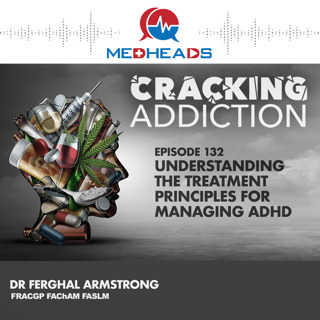
Understanding the Treatment Principles for Managing ADHD

In this episode, Dr. Ferghal Armstrong and guest Dr. Manu Bhatnagar explore the treatment principles underlying the management of ADHD. If you want to gain valuable insights into the use of stimulant medication and non-stimulant pharmacology in addressing ADHD, this episode is a must-listen.

The focus keyword for this episode is "ADHD management." Dr. Armstrong and Dr. Bhatnagar provide in-depth analysis of the use of stimulant medications, such as dexamphetamine and lisdexamfetamine, as well as non-stimulant medications like atomoxetine, in the treatment of ADHD. They shed light on the difference between dexamphetamine and amphetamine, the safety concerns associated with stimulant therapy, and the role of non-stimulant pharmacology in ADHD management.

Learning outcomes:

1. Understanding the nuances of stimulant medications: Dr. Armstrong and Dr. Bhatnagar explain the mechanism of action and differences between amphetamines, including dexamphetamine, lisdexamfetamine, and methylphenidate, helping listeners grasp the key factors to consider when prescribing and using these medications.

2. Safety considerations and risk management: The episode delves into the potential risks associated with stimulant therapy, such as psychosis and substance use disorder, while also addressing the assessment and management of these risks to ensure safe and effective treatment for individuals with ADHD.

3. Exploring non-stimulant pharmacology: Listeners will gain insights into the role of atomoxetine as a non-stimulant medication for ADHD management. The episode highlights the considerations and scenarios where non-stimulant pharmacology might be preferred or necessary, providing a comprehensive view of treatment options.

Actionable takeaways:

1. Informed decision-making: Gain an understanding of the specific characteristics of different stimulant medications and how they impact dopamine release, enabling more informed decisions when prescribing medications for ADHD management.

2. Risk assessment and mitigation: Learn about the potential risks, such as psychosis and substance use disorder, associated with stimulant therapy, and discover strategies for assessing and managing these risks to ensure patient safety and treatment effectiveness.

3. Consideration of non-stimulant options: Explore the role of non-stimulant pharmacology, particularly atomoxetine, in the management of ADHD, and understand the scenarios where non-stimulant medications may be beneficial, providing a holistic approach to treatment.

Quote or insight:

"Every now and then, if you have that propensity to have a psychotic episode, [stimulant medication] might be the thing that adds another notch to your likelihood meter."

#ADHDmanagement #StimulantMedication #NonStimulantPharmacology #PatientSafety #RiskAssessment #Atomoxetine #InformedPrescribing #SubstanceUseDisorder #PsychosisRisk #CrackingAddiction

Thank you for tuning in to this episode of Cracking Addiction. For more insightful content, be sure to like and subscribe to our channel. You can find more information and episodes on our Meducate website: https://meducate.com.au.

Det här avsnittet är hämtat från ett öppet RSS-flöde och publiceras inte av Podme. Det kan innehålla reklam.

Avsnitt(250)

BIND Recovery: Why Amitriptyline Could Be Making Symptoms Worse

BIND Recovery: Why Amitriptyline Could Be Making Symptoms Worse

That sleep med your doctor gave you for benzo withdrawal? Amitriptyline might actually be making things worse. Here's the surprising reason. Your brain is trying to heal its GABA receptors, a process ...

15 Juli 7min
Pregabalin Withdrawal: Why Australian ERs Are Seeing Double the Cases

Pregabalin Withdrawal: Why Australian ERs Are Seeing Double the Cases

Pregabalin withdrawal is one of Australia's most under-diagnosed clinical emergencies — and most doctors still don't recognise it. Emergency departments are reporting a 200% increase in presentations ...

8 Juli 7min
Opioid Withdrawal: Why Symptoms Follow This Exact Pattern

Opioid Withdrawal: Why Symptoms Follow This Exact Pattern

Understand the true opioid withdrawal timeline and why symptoms are not linear. Dr. Ferghal Armstrong clarifies the science behind how your brain reacts during recovery.Many people mistakenly believe ...

1 Juli 8min
Your Body's Deadliest Reaction to Cocaine and Alcohol

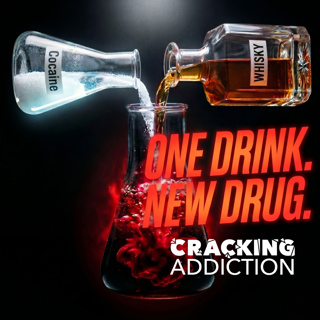
Your Body's Deadliest Reaction to Cocaine and Alcohol

Mixing cocaine and alcohol creates cocaethylene, a deadly substance 25 times more toxic than cocaine alone. Learn the risks here.Most cocaine users are unaware that combining these two substances trig...

24 Juni 7min
Meth Withdrawal — Why It Takes 6 Months to Feel Normal Again

Meth Withdrawal — Why It Takes 6 Months to Feel Normal Again

Why does meth withdrawal take 6 months when alcohol withdrawal takes days?It's all about dopamine depletion and neuroplasticity 🧠Dr. Ferghal breaks down:• The 3-phase withdrawal timeline• What happen...

27 Maj 6min

Childhood Obesity: Why 30% of Kids We Help Have Food Trauma Issues

Childhood Obesity: Why 30% of Kids We Help Have Food Trauma Issues

30% of kids with excess weight that we help have trauma-based eating patterns. That's not willpower failure — that's biology. When children experience domestic violence, financial stress, or emotional...

20 Maj 16min

Binge Drinking: The Hidden Truth About Weekend Warriors

Binge Drinking: The Hidden Truth About Weekend Warriors

MYTH: You need to hit 'rock bottom' to recover from addiction. But here's what addiction specialist Dr. Ferghal Armstrong's guest Tom reveals: his worst moment wasn't losing everything – it was waking...

13 Maj 21min
Attachment Issues Cause Addiction - 4 Types That Lead to Drugs

Attachment Issues Cause Addiction - 4 Types That Lead to Drugs

Think trauma only happens from big events like car crashes? Wrong. Dr. Ferghal here with a myth-bust that'll change how you see childhood forever.The biggest trauma isn't what you think — it's relatio...

6 Maj 24min

Populärt inom Hälsa

somna-med-henrik
inga-beiga-morsor
rss-vuxna-pa-latsas
rss-bara-en-till-om-missbruk-medberoende-2
bullfika
not-fanny-anymore
rss-viktmedicinpodden
sexnoveller-deluxe
johannes-hansen-podcast
sova-med-dan-horning
angestpodden
rss-hos-psykologen
rss-traningsklubben
hacka-livet
sa-in-i-sjalen
rss-basta-livet
tyngre-radio
tyngre-traningssnack
brottarbroder
dodsdomar