Could You Be Missing This Critical Vitamin?

Could You Be Missing This Critical Vitamin?

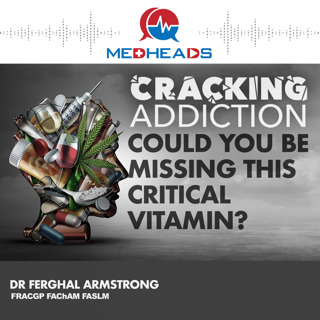
In this episode, Dr Ferghal Armstrong and Dr Richard Bradlow unpack the complex relationship between alcohol, thiamine deficiency, and the severe neurological condition Wernicke’s encephalopathy. Ferghal opens by questioning long-held beliefs about alcohol’s direct effects on thiamine absorption, while Richard provides a contextual understanding of the symptomatic manifestations. The discussion touches on the practicalities of diagnosing and treating thiamine deficiency, focusing particularly on clinical scenarios where immediate action can prevent irreversible damage.

**Learning Outcomes**

1. **Understanding Thiamine Deficiency and Alcohol Use**


- Thiamine deficiency is commonly seen in individuals with alcohol use disorders due to poor diet, liver damage, and compromised gut integrity. Ferghal emphasises that alcohol does not directly reduce thiamine but affects its absorption and storage indirectly.


- Recognise the critical symptoms of thiamine deficiency: Ataxia, ophthalmoplegia, and confusion. Richard shares that only 10% of individuals present with the classic triad, stressing the need for a low threshold in administering thiamine.


- Ferghal reveals that thiamine is stored in the liver, with approximately 20-30 milligrams available. Without replenishment, these levels deplete quickly, making regular intake essential.


2. **Diagnosis and Management**


- Learn to assess risk factors beyond alcohol consumption. Richard suggests evaluating diet, liver health, and any conditions that hamper gut absorption.


- Understand the importance of high-dose, parenteral thiamine administration in suspected cases of Wernicke’s encephalopathy. This prevents irreversible neuronal damage, particularly in the cerebellum and midbrain.


- Find out why rapid thiamine delivery is critical. Ferghal explains that alcohol withdrawal demands a higher energy output, which depletes thiamine stores faster, precipitating encephalopathy.


3. **Preventative Measures and Harm Reduction**


- Recognise the importance of thiamine supplements for those engaging in hazardous drinking, even if not experiencing withdrawal. Richard advocates for over-the-counter vitamin B1 tablets, taken multiple times daily for optimal absorption.


- Explore how diet can play a crucial role in preventing thiamine deficiency. Liver, cereals, and fortified foods are excellent sources of thiamine, as Ferghal points out.


- Koraskoff’s syndrome is an irreversible consequence of untreated thiamine deficiency. It leads to significant memory deficits and an ataxic gait, which underscores the need for timely intervention.


**Actionable Takeaways**


1. **Routine Screening for Thiamine Deficiency**


- Incorporate routine screening for thiamine deficiency in patients with alcohol use disorder. Ferghal and Richard highlight this as a vital practice to prevent conditions like Wernicke’s encephalopathy and Korsakoff syndrome.


- Develop a checklist for evaluating risk factors, including dietary patterns, liver function, and gut health issues.


- Push for early intervention even with subclinical symptoms. Ferghal stresses the colossal benefits of early detection and treatment.


2. **Educate on Thiamine Supplementation**


- Ensure patients receive clear instructions on thiamine supplementation. Richard recommends oral vitamin B1, taken in divided doses throughout the day.


- Cultural and dietary recommendations should include foods rich in thiamine, like liver and fortified cereals.


- Advocate for harm reduction strategies that include vitamin supplements. Ferghal points out this can significantly reduce the risk of severe neurological...

Det här avsnittet är hämtat från ett öppet RSS-flöde och publiceras inte av Podme. Det kan innehålla reklam.

Avsnitt(246)

Meth Withdrawal — Why It Takes 6 Months to Feel Normal Again

Meth Withdrawal — Why It Takes 6 Months to Feel Normal Again

Why does meth withdrawal take 6 months when alcohol withdrawal takes days?It's all about dopamine depletion and neuroplasticity 🧠Dr. Ferghal breaks down:• The 3-phase withdrawal timeline• What happen...

27 Maj 6min
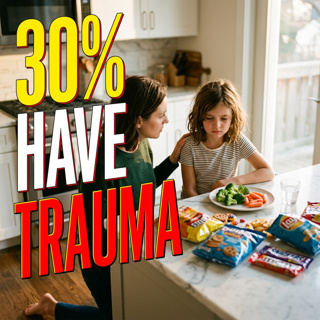
Childhood Obesity: Why 30% of Kids We Help Have Food Trauma Issues

Childhood Obesity: Why 30% of Kids We Help Have Food Trauma Issues

30% of kids with excess weight that we help have trauma-based eating patterns. That's not willpower failure — that's biology. When children experience domestic violence, financial stress, or emotional...

20 Maj 16min

Binge Drinking: The Hidden Truth About Weekend Warriors

Binge Drinking: The Hidden Truth About Weekend Warriors

MYTH: You need to hit 'rock bottom' to recover from addiction. But here's what addiction specialist Dr. Ferghal Armstrong's guest Tom reveals: his worst moment wasn't losing everything – it was waking...

13 Maj 21min

Attachment Issues Cause Addiction - 4 Types That Lead to Drugs

Attachment Issues Cause Addiction - 4 Types That Lead to Drugs

Think trauma only happens from big events like car crashes? Wrong. Dr. Ferghal here with a myth-bust that'll change how you see childhood forever.The biggest trauma isn't what you think — it's relatio...

6 Maj 24min

Benzodiazepine Withdrawal Waves Explained | Ashton Protocol

Benzodiazepine Withdrawal Waves Explained | Ashton Protocol

Most people are told that benzodiazepine withdrawal should improve in a straight line. That myth keeps many people trapped in shame, fear, and confusion when symptoms come back in waves. But brain rec...

23 Apr 7min

Quit Smoking: 30% Better Recovery from Drug Addiction

Quit Smoking: 30% Better Recovery from Drug Addiction

Dopamine pathways and addiction recovery: Why smoking during addiction treatment reduces your chances of lasting sobriety by 30%🚬 THE MYTH WE'VE ALL BELIEVEDFor decades, addiction treatment centres h...

15 Apr 3min

3 Evidence-Based Recovery Models That Actually Work

3 Evidence-Based Recovery Models That Actually Work

Recovery paths aren't one-size-fits-all. Dr. Fergal Armstrong explains why neuroplasticity supports multiple evidence-based approaches to addiction recovery.**THE MYTH: One "Right" Way to Recover**Soc...

8 Apr 7min

The Neuroscience of Cravings and Brain Recovery

The Neuroscience of Cravings and Brain Recovery

Addiction neuroscience explains why cravings feel urgent, physical, and overpowering—and why that does not mean recovery is impossible.Many people still believe cravings happen because of weak willpow...

3 Apr 5min

Populärt inom Hälsa

somna-med-henrik
rss-bara-en-till-om-missbruk-medberoende-2
inga-beiga-morsor
rss-vuxna-pa-latsas
johannes-hansen-podcast
angestpodden
sova-med-dan-horning
sexnoveller-deluxe
rss-viktmedicinpodden
not-fanny-anymore
rss-jossan-nina
sa-in-i-sjalen
brottarbroder
rss-basta-livet
tyngre-radio
rss-relationsrevolutionen
smartare-fitness-podden
halsoveckan-by-tyngre
sex-pa-riktigt-med-marika-smith
rss-sjalsligt-avkladd