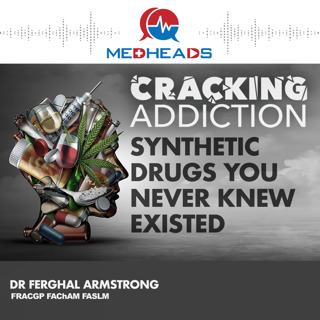
Synthetic Drugs You Never Knew Existed

Synthetic Drugs You Never Knew Existed

Are you curious about the hidden dangers lurking in the world of synthetic opioids? In this episode of "Cracking Addiction," Dr Ferghal Armstrong sits down with the incredible Prof. Suzanne Neilsen, Deputy Director of the Monash Addiction Research Centre, to dive deep into the chilling rise of nitazenes in Australia. As high-potency synthetic opioids, nitazenes are causing waves of concern, and their impact could be closer to home than you think.

What's a nitazene, you ask? These potent synthetic opioids came into existence through pharmaceutical research in the 1950s but are now making a perilous comeback in the illicit drug scene. As Suzanne and I chat, we unravel why these forgotten compounds are suddenly re-emerging and the harrowing effects they have, particularly respiratory depression. Also, did you know that nitazine contamination could be lurking in various recreational drugs like MDMA or ketamine, posing a lethal threat unexpectedly?


But don't just take my word for it—watch the video and have your questions answered by one of Australia’s leading experts in addiction research. Prof. Neilsen steps us through the nuances of these dangerous compounds, their presence in recreational drugs, and the life-saving importance of naloxone for overdose reversals.


**Learning Outcomes:**


1. **Understanding Nitazines:**


- Learn about Nitazenes, their chemical structure, and why they are considered highly potent opioids.

- Suzanne reveals that although they were initially developed for potential therapeutic uses, their severe side effects, including significant respiratory depression, halted their progress.

- Discover the historical context that has led to their re-emergence in the illicit drug scene.

- Recognise the distinction between different types of Nitazenes and their varying potencies and half-lives.


2. **Risk Awareness and Harm Reduction:**

- Understand the risks associated with Nitazene contamination in various illicit drugs, such as MDMA, ketamine, and cocaine.

- Gain insights into how synthetic opioids like Nitazenes and fentanyl increase the danger of overdose due to their potency and rapid onset.

- Develop awareness of the “sloppy drug dealer” theory and its implications for contamination.

- Learn about the broadening need for harm reduction initiatives that address not just opioid users but anyone using illicit drugs.


3. **Importance of Naloxone:**

- Comprehend the role of naloxone in reversing opioid overdoses, even caused by potent synthetic opioids like Nitazenes.

- Learn about the potentially higher doses of naloxone required to reverse nitazene-induced overdoses.

- Understand the importance of having multiple doses of naloxone on hand and the implications for stocking it in harm reduction services.

- Recognise the balance needed in administering naloxone to avoid severe withdrawal symptoms in patients.


**Actionable Takeaways:**


1. **Increasing Awareness and Education:**

- Educate yourself and your community about the dangers of synthetic opioids like nitazenes.

- If you’re in a position to influence policy, advocate for expanding drug-checking services to help identify contaminants before use.

- Spread the word about the importance of having naloxone readily available, especially in communities at risk.

- Support initiatives that provide harm reduction training to a broad audience, including those who might not identify as opioid users.


2. **Advocating for Harm Reduction Services:**

- Push for the establishment and funding of drug checking services in all states and territories, not just limited areas.

- Encourage local governments and organisations to support evidence-based harm reduction services.

- Participate in or initiate community...

Det här avsnittet är hämtat från ett öppet RSS-flöde och publiceras inte av Podme. Det kan innehålla reklam.

Avsnitt(246)

Meth Withdrawal — Why It Takes 6 Months to Feel Normal Again

Meth Withdrawal — Why It Takes 6 Months to Feel Normal Again

Why does meth withdrawal take 6 months when alcohol withdrawal takes days?It's all about dopamine depletion and neuroplasticity 🧠Dr. Ferghal breaks down:• The 3-phase withdrawal timeline• What happen...

27 Maj 6min

Childhood Obesity: Why 30% of Kids We Help Have Food Trauma Issues

Childhood Obesity: Why 30% of Kids We Help Have Food Trauma Issues

30% of kids with excess weight that we help have trauma-based eating patterns. That's not willpower failure — that's biology. When children experience domestic violence, financial stress, or emotional...

20 Maj 16min
Binge Drinking: The Hidden Truth About Weekend Warriors

Binge Drinking: The Hidden Truth About Weekend Warriors

MYTH: You need to hit 'rock bottom' to recover from addiction. But here's what addiction specialist Dr. Ferghal Armstrong's guest Tom reveals: his worst moment wasn't losing everything – it was waking...

13 Maj 21min
Attachment Issues Cause Addiction - 4 Types That Lead to Drugs

Attachment Issues Cause Addiction - 4 Types That Lead to Drugs

Think trauma only happens from big events like car crashes? Wrong. Dr. Ferghal here with a myth-bust that'll change how you see childhood forever.The biggest trauma isn't what you think — it's relatio...

6 Maj 24min

Benzodiazepine Withdrawal Waves Explained | Ashton Protocol

Benzodiazepine Withdrawal Waves Explained | Ashton Protocol

Most people are told that benzodiazepine withdrawal should improve in a straight line. That myth keeps many people trapped in shame, fear, and confusion when symptoms come back in waves. But brain rec...

23 Apr 7min

Quit Smoking: 30% Better Recovery from Drug Addiction

Quit Smoking: 30% Better Recovery from Drug Addiction

Dopamine pathways and addiction recovery: Why smoking during addiction treatment reduces your chances of lasting sobriety by 30%🚬 THE MYTH WE'VE ALL BELIEVEDFor decades, addiction treatment centres h...

15 Apr 3min

3 Evidence-Based Recovery Models That Actually Work

3 Evidence-Based Recovery Models That Actually Work

Recovery paths aren't one-size-fits-all. Dr. Fergal Armstrong explains why neuroplasticity supports multiple evidence-based approaches to addiction recovery.**THE MYTH: One "Right" Way to Recover**Soc...

8 Apr 7min

The Neuroscience of Cravings and Brain Recovery

The Neuroscience of Cravings and Brain Recovery

Addiction neuroscience explains why cravings feel urgent, physical, and overpowering—and why that does not mean recovery is impossible.Many people still believe cravings happen because of weak willpow...

3 Apr 5min

Populärt inom Hälsa

somna-med-henrik
rss-bara-en-till-om-missbruk-medberoende-2
inga-beiga-morsor
rss-vuxna-pa-latsas
johannes-hansen-podcast
angestpodden
sova-med-dan-horning
sexnoveller-deluxe
rss-viktmedicinpodden
not-fanny-anymore
rss-jossan-nina
sa-in-i-sjalen
brottarbroder
rss-basta-livet
tyngre-radio
rss-relationsrevolutionen
smartare-fitness-podden
halsoveckan-by-tyngre
sex-pa-riktigt-med-marika-smith
rss-sjalsligt-avkladd