Fault Tolerant Distributed Gradient Descent
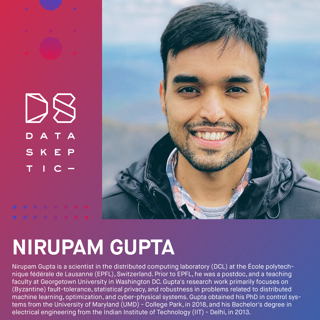
Nirupam Gupta, a Computer Science Post Doctoral Researcher at EDFL University in Switzerland, joins us today to discuss his work "Byzantine Fault-Tolerance in Peer-to-Peer Distributed Gradient-Descent...
22 Feb 202136min
Decentralized Information Gathering
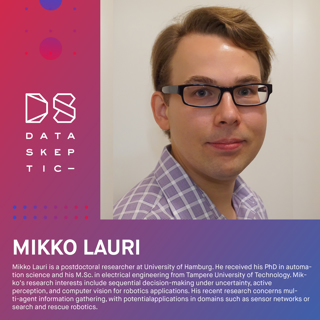
Mikko Lauri, Post Doctoral researcher at the University of Hamburg, Germany, comes on the show today to discuss the work Information Gathering in Decentralized POMDPs by Policy Graph Improvements. Fol...
15 Feb 202132min
Leaderless Consensus
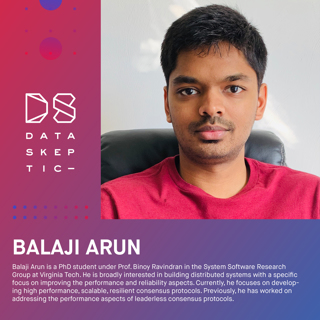
Balaji Arun, a PhD Student in the Systems of Software Research Group at Virginia Tech, joins us today to discuss his research of distributed systems through the paper "Taming the Contention in Consens...
5 Feb 202127min
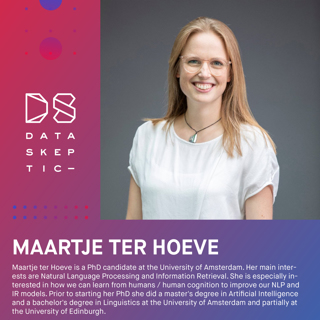
Automatic Summarization
Maartje ter Hoeve, PhD Student at the University of Amsterdam, joins us today to discuss her research in automated summarization through the paper "What Makes a Good Summary? Reconsidering the Focus o...
29 Jan 202127min
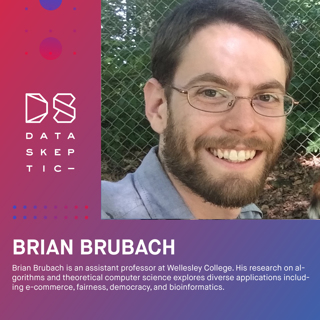
Gerrymandering
Brian Brubach, Assistant Professor in the Computer Science Department at Wellesley College, joins us today to discuss his work "Meddling Metrics: the Effects of Measuring and Constraining Partisan Ger...
22 Jan 202134min
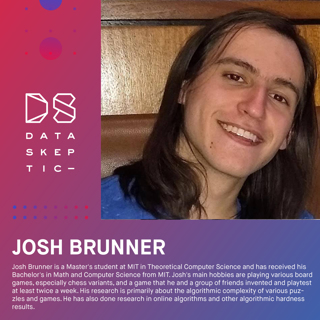
Even Cooperative Chess is Hard
Aside from victory questions like "can black force a checkmate on white in 5 moves?" many novel questions can be asked about a game of chess. Some questions are trivial (e.g. "How many pieces does whi...
15 Jan 202123min
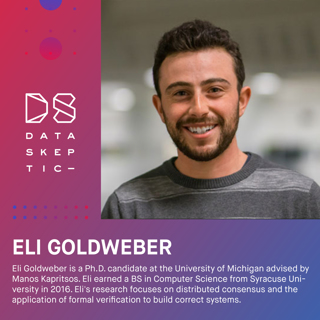
Consecutive Votes in Paxos
Eil Goldweber, a graduate student at the University of Michigan, comes on today to share his work in applying formal verification to systems and a modification to the Paxos protocol discussed in the p...
11 Jan 202130min
Visual Illusions Deceiving Neural Networks
Today on the show we have Adrian Martin, a Post-doctoral researcher from the University of Pompeu Fabra in Barcelona, Spain. He comes on the show today to discuss his research from the paper "Convolut...
1 Jan 202133min