The Psychology of Conspiracy Theories

The Psychology of Conspiracy Theories

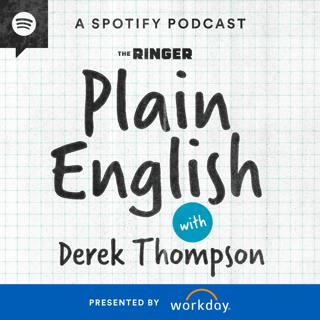
Are conspiracy theories more popular than ever? Are Americans more conspiratorial than ever? Are conservatives more conspiratorial than liberals? Joseph Uscinski is a political scientist at the University of Miami and one of the nation's preeminent experts on the psychology of conspiratorial thinking and the history of conspiracy theories in America. He has some counterintuitive and surprising answers to these questions. Today, he and Derek discuss—and debate—the psychology and politics of modern conspiratorial thinking. If you have questions, observations, or ideas for future episodes, email us at PlainEnglish@Spotify.com. Host: Derek Thompson Guest: Joseph Uscinski Producer: Devon Baroldi Links Uscinski's research page: https://people.miami.edu/profile/60b5fb062f4f266afb6739ec21657c74 "The psychological and political correlates of conspiracy theory beliefs" https://www.nature.com/articles/s41598-022-25617-0 "Fake news on Twitter during the 2016 U.S. presidential election" https://pubmed.ncbi.nlm.nih.gov/30679368/ "Right and left, partisanship predicts (asymmetric) vulnerability to misinformation" https://misinforeview.hks.harvard.edu/article/right-and-left-partisanship-predicts-asymmetric-vulnerability-to-misinformation/ Learn more about your ad choices. Visit podcastchoices.com/adchoices

Populärt inom Politik & nyheter

aftonbladet-krim
motiv
p3-krim
rss-krimstad
fordomspodden
rss-viva-fotboll
flashback-forever
svenska-fall
rss-sanning-konsekvens
aftonbladet-daily
svd-dokumentara-berattelser-2
spar
rss-krimreportrarna
rss-vad-fan-hande
rss-frandfors-horna
krimmagasinet
olyckan-inifran
rss-aftonbladet-krim
dagens-eko
grans