
Opioid MIniseries Part IV: Harm Reduction

Opioid MIniseries Part IV: Harm Reduction

PRACTICE RECOMMENDATIONS

1. Patients who abuse opioids should be managed without judgement; addiction is a medical condition and not a moral failing. Caregivers should endeavor to meet patients "where they are," infusing empathy and understanding into the patient/medical provider relationship.

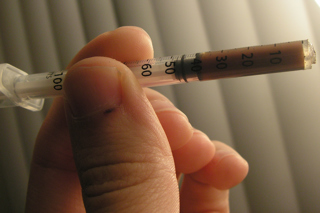
2. Every emergency clinician should be well-versed in the safe injection of heroin and other intravenous (IV) drugs, and understand the practical steps for minimizing the dangers of overdose, infection, and other complications. When treating patients with complications of IV drug use, injection habits should be discussed and instruction should be given about safe practices.

3. Emergency department patients who inject drugs should be referred to local syringe access programs, where they can obtain sterile injection materials and support services such as counseling, HIV/hepatitis testing, and referrals.

4. Emergency departments should provide naloxone to high-risk patients at discharge. If the drug is unavailable at the time of release, patients should receive a prescription and be informed about the over-the-counter availability of the drug in most Colorado pharmacies.

5. Emergency clinicians should be familiar with Colorado's regulations pertaining to naloxone. State laws eliminate liability risk for prescribing the drug, encourage good samaritan reporting of overdose, and make naloxone legal and readily available over the counter in most pharmacies.

6. Emergency department patients who receive prescriptions for opioids should be educated on their risks, safe storage methods, and the proper disposal of leftover medications.

POLICY RECOMMENDATIONS

1. Harm reduction agencies and community programs that provide resources for people who inject drugs (PWID) should be made readily available.

2. When local programs are unavailable for PWID, emergency departments should establish their own programs to provide services such as safe syringe exchanges.

Avsnitt(1145)

Deep Dive #6: Bacteriuria and the Elderly

Deep Dive #6: Bacteriuria and the Elderly

Author: Heidi Wald, MD, MSPH Associate Professor of Medicine - University of Colorado School of Medicine, Physician Advisor - Colorado Hospital Association Dr. Heidi Wald explains common misconceptio...

25 Sep 201729min
Podcast #255: Posterior Vitreous Detachment

Podcast #255: Posterior Vitreous Detachment

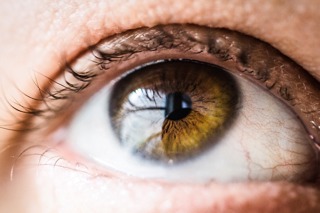
Author: Erik Verzemnieks, M.D. Educational Pearls Posterior vitreous detachment is the tearing of the lining in the back of of the eye. Patients often present with loss of vision and floaters. Diagno...

22 Sep 20171min

Podcast #254: Myths About Antibiotic Course Length

Podcast #254: Myths About Antibiotic Course Length

Author: Chris Holmes, M.D. Educational Pearls There's little/no data about the necessary length of an antibiotic course, nor has it proven that stopping a course of antibiotics early selects for the ...

20 Sep 20174min

Podcast #253: Total Eclipse of the Eye - Solar Retinopathy

Podcast #253: Total Eclipse of the Eye - Solar Retinopathy

Author: Nick Hatch, M.D. Educational Pearls Photic or solar retinitis occurs when you stare at the sun. The refractive power of the lens of the eye concentrates the light of the sun on the retina, st...

18 Sep 20173min
Podcast #252: Mandible Fractures

Podcast #252: Mandible Fractures

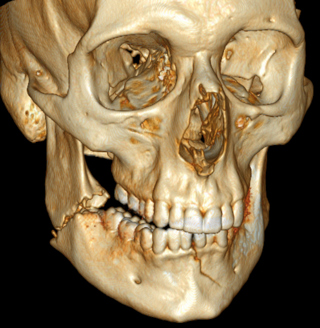
Author: Sam Killian, M.D. Educational Pearls The tongue blade test is done for mandible fractures, which make up 40-60% of facial fractures. The test is done by having the patient bite down on a tong...

15 Sep 20174min
Podcast #251: Cyanide Poisoning

Podcast #251: Cyanide Poisoning

Author: Rachel Beham, PharmD, Advanced Clinical Pharmacist – Emergency Medicine Educational Pearls Cyanide poisoning is suspected in patients who present with lactic acidosis after being trapped arou...

13 Sep 20174min

Podcast #250: Desmopressin

Podcast #250: Desmopressin

Author: Rachael Duncan, PharmD BCPS BCCCP Educational Pearls Desmopressin is an ADH mimetic and helps retain water, release von Willibrand Factor (in high doses), and treat diabetes insipidus (in low...

11 Sep 20173min

Podcast #249: Detecting Pulses

Podcast #249: Detecting Pulses

Author: Jared Scott, M.D. Educational Pearls Overall, medical providers are bad at detecting pulses. However, only 2% of patients do not have a detectable DP pulse. In one study, for patients with l...

10 Sep 20173min

Populärt inom Vetenskap

p3-dystopia
dumma-manniskor
svd-nyhetsartiklar
allt-du-velat-veta
kapitalet-en-podd-om-ekonomi
det-morka-psyket
pojkmottagningen
dumforklarat
rss-vetenskapsradion-2
halsorevolutionen
rss-vetenskapsradion
rss-ufo-bortom-rimligt-tvivel
sexet
rss-spraket
rss-experimentet
rss-broccolipodden-en-podcast-som-inte-handlar-om-broccoli
medicinvetarna
vetenskapsradion
rss-arkeologi-historia-podden-som-graver-i-vart-kulturlandskap
bildningspodden