
Opioid MIniseries Part IV: Harm Reduction

Opioid MIniseries Part IV: Harm Reduction

PRACTICE RECOMMENDATIONS

1. Patients who abuse opioids should be managed without judgement; addiction is a medical condition and not a moral failing. Caregivers should endeavor to meet patients "where they are," infusing empathy and understanding into the patient/medical provider relationship.

2. Every emergency clinician should be well-versed in the safe injection of heroin and other intravenous (IV) drugs, and understand the practical steps for minimizing the dangers of overdose, infection, and other complications. When treating patients with complications of IV drug use, injection habits should be discussed and instruction should be given about safe practices.

3. Emergency department patients who inject drugs should be referred to local syringe access programs, where they can obtain sterile injection materials and support services such as counseling, HIV/hepatitis testing, and referrals.

4. Emergency departments should provide naloxone to high-risk patients at discharge. If the drug is unavailable at the time of release, patients should receive a prescription and be informed about the over-the-counter availability of the drug in most Colorado pharmacies.

5. Emergency clinicians should be familiar with Colorado's regulations pertaining to naloxone. State laws eliminate liability risk for prescribing the drug, encourage good samaritan reporting of overdose, and make naloxone legal and readily available over the counter in most pharmacies.

6. Emergency department patients who receive prescriptions for opioids should be educated on their risks, safe storage methods, and the proper disposal of leftover medications.

POLICY RECOMMENDATIONS

1. Harm reduction agencies and community programs that provide resources for people who inject drugs (PWID) should be made readily available.

2. When local programs are unavailable for PWID, emergency departments should establish their own programs to provide services such as safe syringe exchanges.

Avsnitt(1145)

Brewcast Part IV: A Physician's Perspective on Medical Marijuana

Brewcast Part IV: A Physician's Perspective on Medical Marijuana

Authors: Don Stader, M.D. & Peter Pryor, M.D. Topic: What caused Dr. Pryor to leave emergency medicine and enter the realm of medical marijuana?

5 Juli 201723min

Brewcast Part III: Cannabinoid Hyperemesis Syndrome

Brewcast Part III: Cannabinoid Hyperemesis Syndrome

Author: Rachael Duncan, PharmD BCPS BCCCP Topic: Rachel explains the science behind one of the most common maladies thought to be induced by chronic cannabis use.

4 Juli 201714min

Brewcast Part II: Pharmacology of Cannabis

Brewcast Part II: Pharmacology of Cannabis

Author: Brett Marlin, M.D. Topics: Brett explains the biochemical and physiological properties of cannabis.

3 Juli 201718min
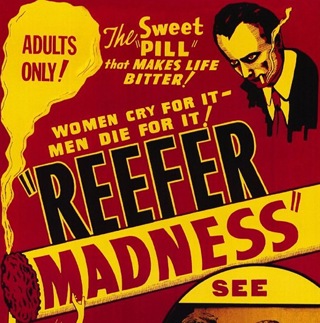
Brewcast Part I: The History of Cannabis in Medicine

Brewcast Part I: The History of Cannabis in Medicine

Author: Don Stader, M.D Topic: Don kicks things off with an overview of the history of marijuana and how it has made its way into medicine.

2 Juli 201720min
Podcast #224: Troponin

Podcast #224: Troponin

Author: Sam Killian, M.D. Educational Pearls Not every troponin elevation is an MI. Trop elevates in about an hour in ACS and stays elevated for days. Non-MI conditions that cause elevated troponin: ...

1 Juli 20174min

Podcast #223: Acyclovir Toxicity

Podcast #223: Acyclovir Toxicity

Author: Nick Hatch, M.D. Educational Pearls Acyclovir toxicity can uncommonly cause altered mental status, low blood glucose, hallucinations and myoclonic jerks. Toxicity often occurs in the setting ...

29 Juni 20172min
Podcast #222: Wells Criteria for PE

Podcast #222: Wells Criteria for PE

Author: Michael Hunt, M.D. Educational Pearls Wells Criteria was initially designed to screen patients for further workup for PE. Aspects of the Wells Criteria include: signs and symptoms of DVT (3...

27 Juni 20174min

Podcast #221: Walking Corpse Syndrome

Podcast #221: Walking Corpse Syndrome

Podcast #221: Walking Corpse Syndrome Author: Erik Verzemnieks, M.D. Educational Pearls Walking Corpse Syndrome (aka Cotard Delusion) is a very rare psychiatric disorder that leads to the belief that...

25 Juni 20171min

Populärt inom Vetenskap

p3-dystopia
dumma-manniskor
svd-nyhetsartiklar
allt-du-velat-veta
kapitalet-en-podd-om-ekonomi
det-morka-psyket
pojkmottagningen
dumforklarat
rss-vetenskapsradion-2
halsorevolutionen
rss-vetenskapsradion
rss-ufo-bortom-rimligt-tvivel
sexet
rss-spraket
rss-experimentet
rss-broccolipodden-en-podcast-som-inte-handlar-om-broccoli
medicinvetarna
vetenskapsradion
rss-arkeologi-historia-podden-som-graver-i-vart-kulturlandskap
bildningspodden