Opioid MIniseries Part IV: Harm Reduction

Opioid MIniseries Part IV: Harm Reduction

PRACTICE RECOMMENDATIONS

1. Patients who abuse opioids should be managed without judgement; addiction is a medical condition and not a moral failing. Caregivers should endeavor to meet patients "where they are," infusing empathy and understanding into the patient/medical provider relationship.

2. Every emergency clinician should be well-versed in the safe injection of heroin and other intravenous (IV) drugs, and understand the practical steps for minimizing the dangers of overdose, infection, and other complications. When treating patients with complications of IV drug use, injection habits should be discussed and instruction should be given about safe practices.

3. Emergency department patients who inject drugs should be referred to local syringe access programs, where they can obtain sterile injection materials and support services such as counseling, HIV/hepatitis testing, and referrals.

4. Emergency departments should provide naloxone to high-risk patients at discharge. If the drug is unavailable at the time of release, patients should receive a prescription and be informed about the over-the-counter availability of the drug in most Colorado pharmacies.

5. Emergency clinicians should be familiar with Colorado's regulations pertaining to naloxone. State laws eliminate liability risk for prescribing the drug, encourage good samaritan reporting of overdose, and make naloxone legal and readily available over the counter in most pharmacies.

6. Emergency department patients who receive prescriptions for opioids should be educated on their risks, safe storage methods, and the proper disposal of leftover medications.

POLICY RECOMMENDATIONS

1. Harm reduction agencies and community programs that provide resources for people who inject drugs (PWID) should be made readily available.

2. When local programs are unavailable for PWID, emergency departments should establish their own programs to provide services such as safe syringe exchanges.

Avsnitt(1150)

Podcast #198: Imodium

Podcast #198: Imodium

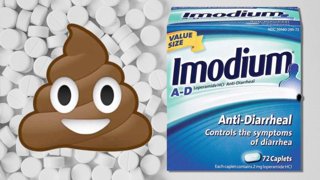
Author: Aaron Lessen M.D. Educational Pearls: Imodium (loperamide) is a mu-opioid receptor agonist. Traditionally, it is used as an anti-diarrheal. It is also abused recreationally for an opioid high...

2 Maj 20173min
Podcast #197: Ashman Phenomenon

Podcast #197: Ashman Phenomenon

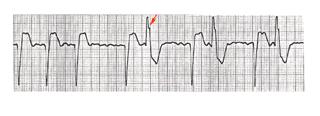
Author: Dylan Luyten M.D. Educational Pearls: Ashman's Phenomenon occurs in the setting atrial fibrillation and mimics ventricular tachycardia, but is harmless. On ECG, the pattern of Ashman Phenomen...

30 Apr 20171min
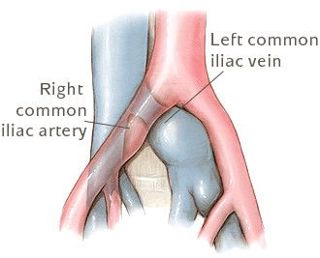
Podcast #196: DVT and May-Thurner Syndrome

Podcast #196: DVT and May-Thurner Syndrome

Author: Samuel Killian M.D. Educational Pearls: Lower extremity DVTs are extremely common. There are more left lower extremity DVT due to anatomical variation. May-Thurner Syndrome is a form of anato...

28 Apr 20172min
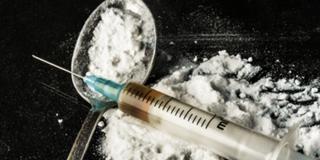
Podcast #195: How to Properly Inject Heroin

Podcast #195: How to Properly Inject Heroin

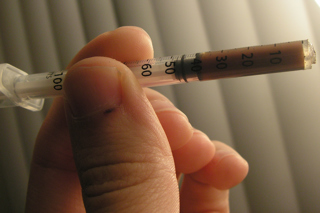
Author: Don Stader, M.D Educational Pearls: It is important for providers to know how to use IV drugs properly so that they can instruct their patients on how to avoid injury. Heroin use is increasin...

26 Apr 20177min
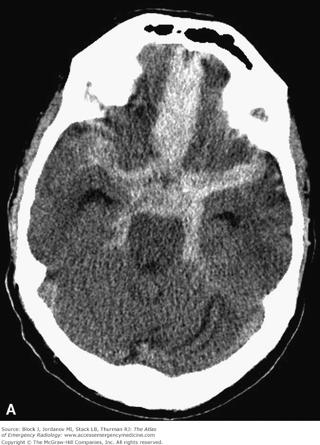
Podcast #194: Atruamatic ICH

Podcast #194: Atruamatic ICH

Author: Peter Bakes, M.D Educational Pearls Intracerebral hemorrhage is an intracranial bleed within the brain tissue or ventricles. Subarachnoid aneurysm causes about 50% of all ICH. Amyloid deposit...

24 Apr 20179min
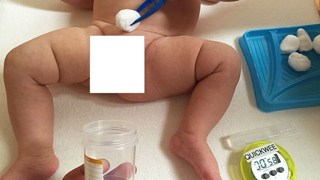
Podcast #193: The Quick Wee

Podcast #193: The Quick Wee

Author: JP Brewer M.D. Educational Pearls: The "Quick Wee" was a method to get urine out of infants who need to have a UA in the Emergency Department. A randomized-controlled experiment was done with...

22 Apr 20172min
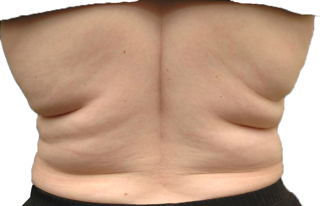
Podcast #192: Back Fat Hernia

Podcast #192: Back Fat Hernia

Author: Jared Scott M.D. Educational Pearls: There are two anatomical triangles on the back, the inferior lumbar triangle and the superior lumbar triangle. Herniation occurs whenever something moves ...

20 Apr 20173min
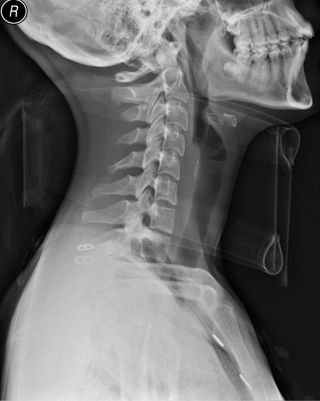
Podcast #191: Blunt Cervical Trauma

Podcast #191: Blunt Cervical Trauma

Author: Chris Holmes M.D. Educational Pearls: Mechanism of injury involves hyperextension/hyperflexion Pathophysiology: inside of the arteries in the neck becomes disrupted, similar to a dissection. ...

18 Apr 20172min

Populärt inom Vetenskap

dumma-manniskor
p3-dystopia
svd-nyhetsartiklar
allt-du-velat-veta
rss-ufo-bortom-rimligt-tvivel-2
rss-vetenskapsradion-2
rss-vetenskapsradion
kapitalet-en-podd-om-ekonomi
det-morka-psyket
sexet
rss-experimentet
paranormalt-med-caroline-giertz
medicinvetarna
rss-odla
halsorevolutionen
rss-geopodden-2
bildningspodden
vetenskapsradion
dumforklarat
rss-spraket