Opioid MIniseries Part IV: Harm Reduction

Opioid MIniseries Part IV: Harm Reduction

PRACTICE RECOMMENDATIONS

1. Patients who abuse opioids should be managed without judgement; addiction is a medical condition and not a moral failing. Caregivers should endeavor to meet patients "where they are," infusing empathy and understanding into the patient/medical provider relationship.

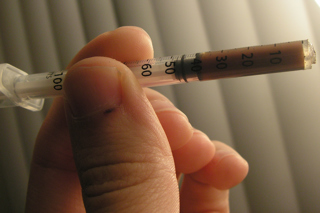
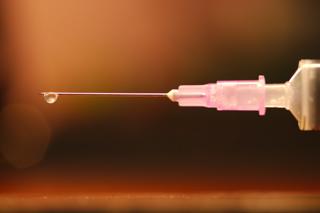
2. Every emergency clinician should be well-versed in the safe injection of heroin and other intravenous (IV) drugs, and understand the practical steps for minimizing the dangers of overdose, infection, and other complications. When treating patients with complications of IV drug use, injection habits should be discussed and instruction should be given about safe practices.

3. Emergency department patients who inject drugs should be referred to local syringe access programs, where they can obtain sterile injection materials and support services such as counseling, HIV/hepatitis testing, and referrals.

4. Emergency departments should provide naloxone to high-risk patients at discharge. If the drug is unavailable at the time of release, patients should receive a prescription and be informed about the over-the-counter availability of the drug in most Colorado pharmacies.

5. Emergency clinicians should be familiar with Colorado's regulations pertaining to naloxone. State laws eliminate liability risk for prescribing the drug, encourage good samaritan reporting of overdose, and make naloxone legal and readily available over the counter in most pharmacies.

6. Emergency department patients who receive prescriptions for opioids should be educated on their risks, safe storage methods, and the proper disposal of leftover medications.

POLICY RECOMMENDATIONS

1. Harm reduction agencies and community programs that provide resources for people who inject drugs (PWID) should be made readily available.

2. When local programs are unavailable for PWID, emergency departments should establish their own programs to provide services such as safe syringe exchanges.

Avsnitt(1145)

Podcast 818: Local Anesthetics and LAST

Podcast 818: Local Anesthetics and LAST

Contributor: Don Stader, MD Educational Pearls: There are two major groups of local anesthetics: Amide and Esther To recall what group an anesthetic belongs to, use this memory trick: Amide has...

4 Okt 20226min

Podcast 817: MI Risk during Elections

Podcast 817: MI Risk during Elections

Contributor: Aaron Lessen, MD Educational Pearls: 2020 retrospective study with dat from two California hospitals compared rates of cardiovascular admissions in a five day period two weeks before and...

3 Okt 20222min

Podcast 816: Ventilator Management in Asthmatics

Podcast 816: Ventilator Management in Asthmatics

Contributor: Aaron Lessen, MD Educational Pearls: The management of severe asthma or COPD exacerbation is complex, especially when the patient requires intubation/ventilation Asthma is an obstructive...

27 Sep 20224min
Podcast 815: Fluid Resuscitation in Pancreatitis

Podcast 815: Fluid Resuscitation in Pancreatitis

Contributor: Aaron Lessen, MD Educational Pearls: Historically, pancreatitis has been treated with aggressive IV fluid rehydration. Recently published data shows this may not be appropriate. A random...

26 Sep 20223min

Podcast 814: Post-concussion Treatment

Podcast 814: Post-concussion Treatment

Contributor: Aaron Lessen, MD Educational Pearls: Recent study looked at the impact of screen time on duration of post-concussive symptoms 125 patients aged 12-25 diagnosed with a concussion were ran...

19 Sep 20222min

Podcast 813: Pulse Oximetry

Podcast 813: Pulse Oximetry

Contributor: Travis Barlock, MD Educational Pearls: Most oxygen in the body is bound to hemoglobin, forming oxyhemoglobin. Less than 1% of the oxygen in the body is dissolved in plasma.  Pulse Oximet...

13 Sep 20224min
Podcast 812: PO Medications

Podcast 812: PO Medications

Contributor: Nick Tsipis, MD Educational Pearls: PO medications are less frequently used in the ED due to their longer onset of action The position the patient is in when given PO medications ...

12 Sep 20223min

Podcast 811: Ketamine for Pain

Podcast 811: Ketamine for Pain

Contributor: Lessen, Aaron MD Educational Pearls: Ketamine can be given at 0.2-0.3 mg/kg as subdissociative doses for pain control in the ED Ketamine coadministered with Haldol may reduce agitation...

7 Sep 20223min

Populärt inom Vetenskap

svd-nyhetsartiklar
p3-dystopia
dumma-manniskor
pojkmottagningen
allt-du-velat-veta
det-morka-psyket
kapitalet-en-podd-om-ekonomi
rss-experimentet
dumforklarat
rss-vetenskapsradion-2
halsorevolutionen
rss-ufo-bortom-rimligt-tvivel
medicinvetarna
rss-vetenskapsradion
paranormalt-med-caroline-giertz
bildningspodden
rss-spraket
sexet
vetenskapsradion
4health-med-anna-sparre