
Opioid MIniseries Part IV: Harm Reduction
PRACTICE RECOMMENDATIONS 1. Patients who abuse opioids should be managed without judgement; addiction is a medical condition and not a moral failing. Caregivers should endeavor to meet patients "where...
8 Juni 201748min
Opioid Miniseries Part III: Alternative to Opioids
PRACTICE RECOMMENDATIONS 1. All emergency departments should implement ALTO programs and provide opioid-free pain treatment pathways for the following conditions: a. Acute on chronic opioid-tolerant r...
8 Juni 201749min

Opioid Miniseries Part II: Limiting Opioids in the Emergency Department
RACTICE RECOMMENDATIONS 1. Opioids are inherently dangerous, highly addictive drugs with significant abuse potential, numerous side effects, lethality in overdose, rapid development of tolerance, and ...
8 Juni 20171h 8min
Opioid Miniseries Part I: Medicine's Greatest Folly
The Emergency Medical Minute proudly presents an educational podcast series sponsored by the Colorado Hospital Association addressing our the United States' opioid epidemic.
7 Juni 201749min
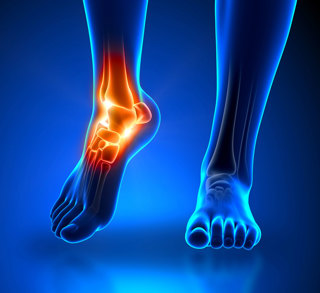
Podcast #215: Ankle Pain
Author: Donald Stader, M.D. Educational Pearls: The most common ankle injury mechanism is an inversion. Most common broken bone in the ankle is the fibula. During exam, it is important to palpate ove...
7 Juni 20174min
Podcast #214: Dizziness
Author: Aaron Lessen, M.D. Educational Pearls: We can differentiate verto into benign problems such as vestibular problem (peripheral problem), or something more worrisome that originates in the brai...
5 Juni 20171min
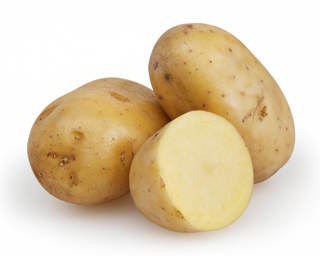
Podcast #213: Oats and Potatoes
Author: Michael Hunt, M.D. Educational Pearls: Oats have been shown to lower LDL. Oat bran is the most effective way to consume oats to lower LDL. A Swedish study of 69,000 people who ate at least 3 ...
3 Juni 20172min

Podcast #212: Knights Who Say Pessary
Author: Jared Scott, M.D. Educational Pearls: A pessary is a device inserted into the vagina for medical purposes. Examples include birth control and mechanical support of the pelvic structures. In o...
1 Juni 20173min