
Podcast 552: PE Management and Risk Stratification

Podcast 552: PE Management and Risk Stratification

Contributor: Dylan Luyten, MD

Educational Pearls:

  • After you diagnose a pulmonary embolism (PE) via CT or VQ scan, we need to categorize the PE as massive, sub-massive, or just PE to dictate treatment.
  • Massive PE: shock with hypotension due to an embolism, and the treatment of choice is thrombolysis with IV tPA with anticoagulation after lysis. Catheter thrombolysis is not used in the hemodynamically unstable patient but can be done after they are stable.
  • Sub-massive: signs of right heart strain/failure but hemodynamically stable. This can be EKG changes, positive biomarkers, or imaging findings. These patients can be treated with IV heparin as there may benefit from catheter directed thrombolysis which has been shown to lead to better functional outcomes.
  • Everything else can be stratified to determine whether inpatient even outpatient treatment is necessary
  • Pulmonary Embolism Severity Index (PESI) or Hestia criteria and can help determine if the patient is better suited for in or outpatient management.
  • Non massive or sub-massive PEs are treated with heparin/Lovenox bridged to Warfarin, a factor Xa inhibitor (ex. Xarelto), or direct oral anticoagulants (DOAC).

Editor's note: intravenous heparin is preferable to other anticoagulants when considering interventional radiology as it can be shut off and/or reversed if necessary prior to procedure

References

1. Sista, A. et al. Stratification, Imaging, and Management of Acute Massive and Submassive Pulmonary Embolism. 2017 Jul;284(1):5-24

2. Aujesky D, Obrosky DS, Stone RA, Auble TE, Perrier A, Cornuz J, Roy PM, Fine MJ. Derivation and validation of a prognostic model for pulmonary embolism. Am J Respir Crit Care Med. 2005 Oct 15;172(8):1041-6

3. Jimenez, D. et al. Risk stratification of patients with acute symptomatic pulmonary embolism. Intern Emerg Med. 2016 Feb;11(1):11-8.

Summarized by Jackson Roos, MS3 | Edited by Erik Verzemnieks, MD


Avsnitt(1146)

Podcast #221: Walking Corpse Syndrome

Podcast #221: Walking Corpse Syndrome

Podcast #221: Walking Corpse Syndrome Author: Erik Verzemnieks, M.D. Educational Pearls Walking Corpse Syndrome (aka Cotard Delusion) is a very rare psychiatric disorder that leads to the belief that...

25 Juni 20171min

Podcast #220: A-Fib Cardioversion

Podcast #220: A-Fib Cardioversion

Author: Aaron Lessen, M.D. Educational Pearls Atrial fibrillation is common. One of the best treatments for a fib is cardioversion back into sinus rhythm. Cardioversion may increase stroke risk if A-...

23 Juni 20172min

Podcast #219: History of Sepsis

Podcast #219: History of Sepsis

Author: Chris Holmes, M.D. Educational Pearls "Sepo' is a term from Homer (author of The Iliad and The Odyssey), and means "I rot". Hippocrates in 400 BC identified sepsis as a "dangerous decay withi...

21 Juni 20176min

Podcast #218: Estimating Pediatric Weight

Podcast #218: Estimating Pediatric Weight

Author: Aaron Lessen, M.D. Educational Pearls Asking parents and Broselow Tape are common options for estimating pediatric weight. Equipment sizes should not be adjusted for under/overweight kids bas...

19 Juni 20172min
Podcast #217: Designer Drugs

Podcast #217: Designer Drugs

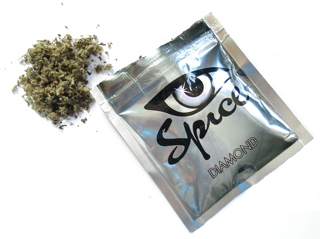
Author: John Winkler, M.D. Educational Pearls: Designer, or "synthetic" drugs include bath salts, synthetic THC, and many others. Many of these drugs are originally manufactured in China and are ship...

17 Juni 20173min

Podcast #216: Roller Coasters and Kidney Stones

Podcast #216: Roller Coasters and Kidney Stones

Author: Aaron Lessen, M.D. Educational Pearls: Anecdotal evidence suggests that roller coasters may help with kidney stones. A recent study used a model of a kidney and ureter with different sized s...

13 Juni 20171min

Opioid MIniseries Part IV: Harm Reduction

Opioid MIniseries Part IV: Harm Reduction

PRACTICE RECOMMENDATIONS 1. Patients who abuse opioids should be managed without judgement; addiction is a medical condition and not a moral failing. Caregivers should endeavor to meet patients "where...

8 Juni 201748min
Opioid Miniseries Part III: Alternative to Opioids

Opioid Miniseries Part III: Alternative to Opioids

PRACTICE RECOMMENDATIONS 1. All emergency departments should implement ALTO programs and provide opioid-free pain treatment pathways for the following conditions: a. Acute on chronic opioid-tolerant r...

8 Juni 201749min

Populärt inom Vetenskap

p3-dystopia
dumma-manniskor
svd-nyhetsartiklar
allt-du-velat-veta
kapitalet-en-podd-om-ekonomi
det-morka-psyket
rss-ufo-bortom-rimligt-tvivel
sexet
rss-vetenskapsradion
pojkmottagningen
rss-vetenskapsradion-2
dumforklarat
rss-broccolipodden-en-podcast-som-inte-handlar-om-broccoli
halsorevolutionen
rss-spraket
bildningspodden
hacka-livet
rss-experimentet
medicinvetarna
rss-lara-fran-larda-en-fackbok-och-en-forfattare