
Podcast 552: PE Management and Risk Stratification

Podcast 552: PE Management and Risk Stratification

Contributor: Dylan Luyten, MD

Educational Pearls:

  • After you diagnose a pulmonary embolism (PE) via CT or VQ scan, we need to categorize the PE as massive, sub-massive, or just PE to dictate treatment.
  • Massive PE: shock with hypotension due to an embolism, and the treatment of choice is thrombolysis with IV tPA with anticoagulation after lysis. Catheter thrombolysis is not used in the hemodynamically unstable patient but can be done after they are stable.
  • Sub-massive: signs of right heart strain/failure but hemodynamically stable. This can be EKG changes, positive biomarkers, or imaging findings. These patients can be treated with IV heparin as there may benefit from catheter directed thrombolysis which has been shown to lead to better functional outcomes.
  • Everything else can be stratified to determine whether inpatient even outpatient treatment is necessary
  • Pulmonary Embolism Severity Index (PESI) or Hestia criteria and can help determine if the patient is better suited for in or outpatient management.
  • Non massive or sub-massive PEs are treated with heparin/Lovenox bridged to Warfarin, a factor Xa inhibitor (ex. Xarelto), or direct oral anticoagulants (DOAC).

Editor's note: intravenous heparin is preferable to other anticoagulants when considering interventional radiology as it can be shut off and/or reversed if necessary prior to procedure

References

1. Sista, A. et al. Stratification, Imaging, and Management of Acute Massive and Submassive Pulmonary Embolism. 2017 Jul;284(1):5-24

2. Aujesky D, Obrosky DS, Stone RA, Auble TE, Perrier A, Cornuz J, Roy PM, Fine MJ. Derivation and validation of a prognostic model for pulmonary embolism. Am J Respir Crit Care Med. 2005 Oct 15;172(8):1041-6

3. Jimenez, D. et al. Risk stratification of patients with acute symptomatic pulmonary embolism. Intern Emerg Med. 2016 Feb;11(1):11-8.

Summarized by Jackson Roos, MS3 | Edited by Erik Verzemnieks, MD


Avsnitt(1146)

Podcast 687: STI Complications

Podcast 687: STI Complications

Contributor: Jared Scott, MD Educational Pearls: PID (pelvic inflammatory disease) occurs when the infection ascends into the uterus Tubo-ovarian abscess occurs when the infection ascends to the fall...

30 Juni 20214min
Podcast 686: Vaginal Self Swabs

Podcast 686: Vaginal Self Swabs

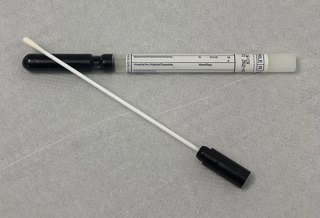
Contributor: Jared Scott, MD Educational Pearls: Recent study evaluated vaginal self swab testing for STIs to determine if they are equally sensitive to provider-obtained swab 515 patients consented ...

29 Juni 20213min

Podcast 685: Cultural Sensitivity with LGBTIQ+ Patients

Podcast 685: Cultural Sensitivity with LGBTIQ+ Patients

Contributor: Dr. Nick Gorton, MD Educational Pearls: Use transgender people's correct names and pronouns, the Russell study found a 56% reduction in suicide behavior with chosen name usage ⅕ to ½ of ...

28 Juni 202110min
Podcast 684: Acidosis

Podcast 684: Acidosis

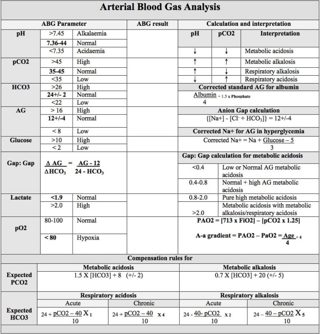
Contributor:  Nick Tsipis, MD Educational Pearls: pH 7.45=alkalemia If pH low and pCO2 high, indicates a respiratory acidosis If pH low and pCO2 low, indicates metabolic acidosis After determining ty...

23 Juni 20216min
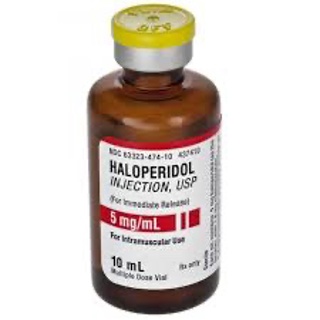
Podcast 683: Zofran vs. Haldol for Cannabinoid Hyperemesis Syndrome

Podcast 683: Zofran vs. Haldol for Cannabinoid Hyperemesis Syndrome

Contributor: Jared Scott, MD Educational Pearls: Around 30 patients with cannabinoid hyperemesis syndrome (CHS) randomized treatment in three arms with 8mg Zofran, Haldol 0.05 mg/kg, and Haldol 0.1 ...

22 Juni 20215min

Podcast 682: Snake Bites

Podcast 682: Snake Bites

Contributor: Gretchen Hinson, MD Educational Pearls: Pit vipers include cottonmouths, rattlesnakes, and copperheads All have folding long fangs, triangular face, and elliptical pupils About 5,00...

21 Juni 20216min
Podcast 681: Internal Hernias

Podcast 681: Internal Hernias

Contributor: Adam Barkin, MD Educational Pearls: Internal hernias, when bowel herniates through iatrogenic or congenital defect in mesentery, represent 1-6% of all small bowel obstructions Mortality...

16 Juni 20215min

Podcast 680: Coronary Artery Dissection

Podcast 680: Coronary Artery Dissection

Contributor: Adam Barkin, MD Educational Pearls: Spontaneous coronary artery dissection (SCAD) is the most common cause of acute MI in women under 50 years old Risk factors include fibromuscular dys...

15 Juni 20214min

Populärt inom Vetenskap

dumma-manniskor
svd-nyhetsartiklar
p3-dystopia
kapitalet-en-podd-om-ekonomi
allt-du-velat-veta
rss-ufo-bortom-rimligt-tvivel
det-morka-psyket
rss-vetenskapsradion
sexet
medicinvetarna
rss-vetenskapsradion-2
rss-experimentet
pojkmottagningen
dumforklarat
hacka-livet
rss-spraket
bildningspodden
rss-broccolipodden-en-podcast-som-inte-handlar-om-broccoli
rss-lara-fran-larda-en-fackbok-och-en-forfattare
intergalaktiskt