Podcast 552: PE Management and Risk Stratification

Podcast 552: PE Management and Risk Stratification

Contributor: Dylan Luyten, MD

Educational Pearls:

  • After you diagnose a pulmonary embolism (PE) via CT or VQ scan, we need to categorize the PE as massive, sub-massive, or just PE to dictate treatment.
  • Massive PE: shock with hypotension due to an embolism, and the treatment of choice is thrombolysis with IV tPA with anticoagulation after lysis. Catheter thrombolysis is not used in the hemodynamically unstable patient but can be done after they are stable.
  • Sub-massive: signs of right heart strain/failure but hemodynamically stable. This can be EKG changes, positive biomarkers, or imaging findings. These patients can be treated with IV heparin as there may benefit from catheter directed thrombolysis which has been shown to lead to better functional outcomes.
  • Everything else can be stratified to determine whether inpatient even outpatient treatment is necessary
  • Pulmonary Embolism Severity Index (PESI) or Hestia criteria and can help determine if the patient is better suited for in or outpatient management.
  • Non massive or sub-massive PEs are treated with heparin/Lovenox bridged to Warfarin, a factor Xa inhibitor (ex. Xarelto), or direct oral anticoagulants (DOAC).

Editor's note: intravenous heparin is preferable to other anticoagulants when considering interventional radiology as it can be shut off and/or reversed if necessary prior to procedure

References

1. Sista, A. et al. Stratification, Imaging, and Management of Acute Massive and Submassive Pulmonary Embolism. 2017 Jul;284(1):5-24

2. Aujesky D, Obrosky DS, Stone RA, Auble TE, Perrier A, Cornuz J, Roy PM, Fine MJ. Derivation and validation of a prognostic model for pulmonary embolism. Am J Respir Crit Care Med. 2005 Oct 15;172(8):1041-6

3. Jimenez, D. et al. Risk stratification of patients with acute symptomatic pulmonary embolism. Intern Emerg Med. 2016 Feb;11(1):11-8.

Summarized by Jackson Roos, MS3 | Edited by Erik Verzemnieks, MD


Avsnitt(1147)

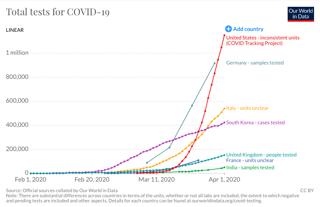
COVID-19 in the United States: Where are the tests?

COVID-19 in the United States: Where are the tests?

A dive into how the United States responded to an emerging pandemic and the pitfalls along the way that led to stalled testing capacity across the country before community transmission was confirmed. ...

2 Apr 202010min

Husband & Wife, Both ER Clinicians, Share Their Experience Having COVID-19

Husband & Wife, Both ER Clinicians, Share Their Experience Having COVID-19

Long time friends of EMM, Aaron and Bree, share their experiences on the frontlines in the ED, coping with COVID, managing anxiety and quarantining with their family.

1 Apr 202036min
COVID-19 Digest: Do NSAIDs Make COVID-19 More Severe? (Recorded 3/30/20, 18:00 MST)

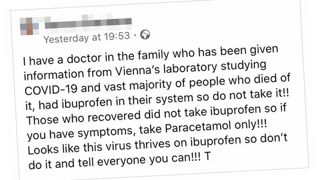
COVID-19 Digest: Do NSAIDs Make COVID-19 More Severe? (Recorded 3/30/20, 18:00 MST)

In the past two weeks, warnings, questions, and misinformation concerning COVID-19 and NSAID use have been spreading...no pun intended..virally. The pace of this evolving pandemic and the equally quic...

31 Mars 202018min
COVID-19 Digest: If You've Had COVID-19, Can You Get it Again? / Convalescent Serum (Recorded 3/26/20, 18:00 MST)

COVID-19 Digest: If You've Had COVID-19, Can You Get it Again? / Convalescent Serum (Recorded 3/26/20, 18:00 MST)

Host: Elizabeth Esty, MD Research By: Elizabeth Esty and Nathan Novotny References: Osumi M. Questions raised over COVID-19 reinfection after Japanese woman develops illness again. The Japan Times. h...

27 Mars 202010min

ER Doc Infected with COVID-19 Shares Experience

ER Doc Infected with COVID-19 Shares Experience

Recorded 3/26/20

27 Mars 202020min

COVID-19: Hydroxychloroquine & Azithromycin / Anosmia / The Aerosolized vs. Droplet Debate (Recorded 3/24/20, 18:00 MST)

COVID-19: Hydroxychloroquine & Azithromycin / Anosmia / The Aerosolized vs. Droplet Debate (Recorded 3/24/20, 18:00 MST)

The circumstances surrounding the COVID-19 virus are quickly evolving and that means that EMM will have to as well. For the foreseeable future, EMM will be releasing COVID-19 updates. In this series, ...

25 Mars 202015min

Podcast 551:  PPIs are Not Benign

Podcast 551: PPIs are Not Benign

Contributor: Don Stader, MD Educational Pearls: PPIs (Proton pump inhibitors) reduce stomach acid levels and are commonly prescribed in patients with GERD or peptic ulcer disease Stopping a PPI after...

23 Mars 20203min

Populärt inom Vetenskap

p3-dystopia
dumma-manniskor
svd-nyhetsartiklar
allt-du-velat-veta
medicinvetarna
rss-ufo-bortom-rimligt-tvivel
rss-experimentet
rss-vetenskapsradion-2
rss-vetenskapsradion
det-morka-psyket
sexet
kapitalet-en-podd-om-ekonomi
hacka-livet
dumforklarat
pojkmottagningen
rss-arkeologi-historia-podden-som-graver-i-vart-kulturlandskap
rss-personlighetspodden
paranormalt-med-caroline-giertz
vetenskap-och-halsa
halsorevolutionen