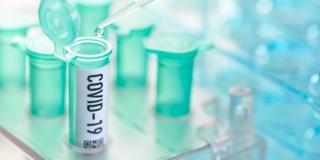

Podcast 557:  COVID-19 Lab Trends

Podcast 557: COVID-19 Lab Trends

Contributor: Don Stader, MD

Educational Pearls:

  • COVID-19 is diagnosed with a nasopharyngeal swab (q-tip). This unfortunately can be painful, but if the swab doesn't go deep into the nasal cavity the sample can be inadequate leading to false negatives (missed infections).
  • The sensitivity of the COVID-19 RT PCR test is low, ranging from 66-80% in various studies. Another study has shown 23% of patients who initially tested negative but had COVID-19 symptoms will test positive when re-tested. So test highly suspicious patients twice.

  • COVID has shown to have an effect on CBC. White blood cell counts are often normal (no leukocytosis), but there is often lymphopenia, or low lymphocytes, and thrombocytopenia. Interestingly, low platelets have appeared to have prognostic value in that lower platelets often indicate worse patient outcomes.
  • Coagulation studies are showing very elevated D-Dimers which has sparked the debate as to whether COVID-19 causes a hypercoagulable state. The increased incidence of MI/heart attacks and strokes in COVID patients supports this argument.
  • While D-Dimers can help point towards a diagnosis of pulmonary embolism, in the setting of highly likely COVID-19 infections, getting a CTA looking for a PE is probably unnecessary unless there's also suspicion for PE.
  • C-reactive protein (CRP) and procalcitonin are two common inflammatory markers. A CRP can help indicate how sick a patient is and procalcitonin can help determine if the infection is bacterial or viral in nature.
  • CRP levels are often elevated in COVID patients, and studies are showing a high CRP is linked to worse patient outcomes.
  • Elevations in procalcitonin can be used to see if there's a concomitant bacterial infection, meaning patients need antibiotics in addition to supportive care for the COVID-19.
  • Flu season is coming to a close, but data has shown a 5-10% co-infection rate of COVID-19 with influenza. As expected patient outcomes have been worse in those with both infections.

References

1) Farkas, Josh. "COVID-19." EMCrit Project, 21 Apr. 2020, emcrit.org/ibcc/covid19/#labs.

2) Guan W. et al. Clinical Characteristics of Coronavirus Disease 2019 in China. February 28, 2020, updated on March 6, 2020, at NEJM.org. DOI: 10.1056/NEJMoa2002032

3)Young BE, Ong SWX, Kalimuddin S, et al. Epidemiologic Features and Clinical Course of Patients Infected With SARS-CoV-2 in Singapore. JAMA. 2020;323(15):1488–1494. doi:10.1001/jama.2020.3204

4) Wang M. et al. Clinical diagnosis of 8274 samples with 2019-novel coronavirus in Wuhan. medRxiv 2020.02.12.20022327; doi: https://doi.org/10.1101/2020.02.12.20022327

Summarized by Jackson Roos, MS4 | Edited by Erik Verzemnieks, MD

Avsnitt(1146)

Podcast 592:  Rapid Antihypertensives

Podcast 592: Rapid Antihypertensives

Contributor: Ramnik Dhaliwal, MD, JD Educational Pearls: Nitrates Nitroprusside: becomes effective in under a minute, and becomes ineffective 10 minutes after stopping it.  Nitroprusside can meta...

1 Sep 20206min

Podcast 591: Pediatric Documentation Pearls

Podcast 591: Pediatric Documentation Pearls

Emergency Medical Minute collaborated with CarePoint Health in early March for a night of education on Pediatric Emergencies at a local Denver brewery for our latest Brewcast. Pediatric patients requi...

31 Aug 202011min
Pharmacy Phriday #2: Penicillin and Cephalosporin Allergies

Pharmacy Phriday #2: Penicillin and Cephalosporin Allergies

The penicillin and cephalosporin drug classes include many first line drug options for infectious disease although high rates of self-reported allergies may cause physicians to seek alternative option...

28 Aug 202014min

Mental Health Monthly #4: Trauma, Loss and Grief in First Responders Heightened by COVID-19

Mental Health Monthly #4: Trauma, Loss and Grief in First Responders Heightened by COVID-19

Trauma and loss are common issues faced by emergency personnel and first responders. These challenges have since been heightened by the COVID-19 pandemic. On this installment of Mental Health Monthly,...

26 Aug 202020min

Podcast 590: Esophageal Food Impactions

Podcast 590: Esophageal Food Impactions

Contributor: Aaron Lessen, MD Educational Pearls: Carbonated beverages have shown efficacy in helping patients spontaneously pass esophageal food impactions Glucagon, while historically used for trea...

25 Aug 20202min
Podcast 589:  Management of Dental Trauma

Podcast 589: Management of Dental Trauma

Contributor: Peter Bakes, MD Educational Pearls: Dental fractures are described by the Ellis classifications, which are based on the involvement of layers of the teeth: Ellis I: involvement of the ...

24 Aug 20206min
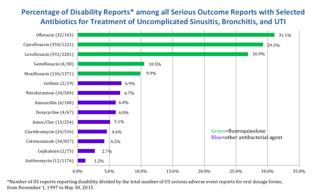
Pharmacy Friday #1: Antibiotic Alternatives to Fluoroquinolones for Infectious Disease

Pharmacy Friday #1: Antibiotic Alternatives to Fluoroquinolones for Infectious Disease

Welcome to EMM's first Pharmacy Friday where we dive deeper on a certain pharmacological topic as it pertains to emergency medicine. Dr. Rachael Duncan, emergency medicine clinical Pharmacist, joins u...

21 Aug 202019min
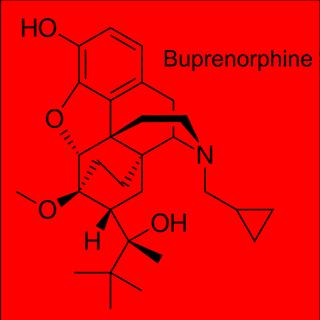
Buprenorphine after Naloxone

Buprenorphine after Naloxone

EMM would like to extend a large thank you to the Pain Management and Addiction Medicine section of the American College of Emergency Physicians for allowing us to post their webinar panel discussion ...

19 Aug 20201h 18min

Populärt inom Vetenskap

p3-dystopia
dumma-manniskor
svd-nyhetsartiklar
allt-du-velat-veta
kapitalet-en-podd-om-ekonomi
rss-ufo-bortom-rimligt-tvivel
det-morka-psyket
rss-vetenskapsradion
medicinvetarna
rss-vetenskapsradion-2
rss-experimentet
sexet
hacka-livet
rss-spraket
dumforklarat
pojkmottagningen
rss-arkeologi-historia-podden-som-graver-i-vart-kulturlandskap
rss-broccolipodden-en-podcast-som-inte-handlar-om-broccoli
halsorevolutionen
paranormalt-med-caroline-giertz