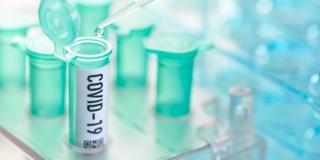
Podcast 557:  COVID-19 Lab Trends

Podcast 557: COVID-19 Lab Trends

Contributor: Don Stader, MD

Educational Pearls:

  • COVID-19 is diagnosed with a nasopharyngeal swab (q-tip). This unfortunately can be painful, but if the swab doesn't go deep into the nasal cavity the sample can be inadequate leading to false negatives (missed infections).
  • The sensitivity of the COVID-19 RT PCR test is low, ranging from 66-80% in various studies. Another study has shown 23% of patients who initially tested negative but had COVID-19 symptoms will test positive when re-tested. So test highly suspicious patients twice.

  • COVID has shown to have an effect on CBC. White blood cell counts are often normal (no leukocytosis), but there is often lymphopenia, or low lymphocytes, and thrombocytopenia. Interestingly, low platelets have appeared to have prognostic value in that lower platelets often indicate worse patient outcomes.
  • Coagulation studies are showing very elevated D-Dimers which has sparked the debate as to whether COVID-19 causes a hypercoagulable state. The increased incidence of MI/heart attacks and strokes in COVID patients supports this argument.
  • While D-Dimers can help point towards a diagnosis of pulmonary embolism, in the setting of highly likely COVID-19 infections, getting a CTA looking for a PE is probably unnecessary unless there's also suspicion for PE.
  • C-reactive protein (CRP) and procalcitonin are two common inflammatory markers. A CRP can help indicate how sick a patient is and procalcitonin can help determine if the infection is bacterial or viral in nature.
  • CRP levels are often elevated in COVID patients, and studies are showing a high CRP is linked to worse patient outcomes.
  • Elevations in procalcitonin can be used to see if there's a concomitant bacterial infection, meaning patients need antibiotics in addition to supportive care for the COVID-19.
  • Flu season is coming to a close, but data has shown a 5-10% co-infection rate of COVID-19 with influenza. As expected patient outcomes have been worse in those with both infections.

References

1) Farkas, Josh. "COVID-19." EMCrit Project, 21 Apr. 2020, emcrit.org/ibcc/covid19/#labs.

2) Guan W. et al. Clinical Characteristics of Coronavirus Disease 2019 in China. February 28, 2020, updated on March 6, 2020, at NEJM.org. DOI: 10.1056/NEJMoa2002032

3)Young BE, Ong SWX, Kalimuddin S, et al. Epidemiologic Features and Clinical Course of Patients Infected With SARS-CoV-2 in Singapore. JAMA. 2020;323(15):1488–1494. doi:10.1001/jama.2020.3204

4) Wang M. et al. Clinical diagnosis of 8274 samples with 2019-novel coronavirus in Wuhan. medRxiv 2020.02.12.20022327; doi: https://doi.org/10.1101/2020.02.12.20022327

Summarized by Jackson Roos, MS4 | Edited by Erik Verzemnieks, MD

Avsnitt(1148)

Podcast #385: Probiotics

Podcast #385: Probiotics

Author: John Winkler, MD Educational Pearls: Probiotics are bacteria that are ingested to promote gut health but recent research casts doubt on their effectiveness. Recent study suggests that most...

28 Sep 20182min
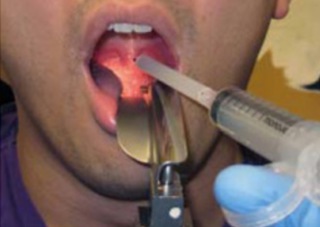
Podcast #384: Don't stab a PTA?

Podcast #384: Don't stab a PTA?

Author: Don Stader, MD Educational Pearls: Recent study suggests we may not need to drain uncomplicated peritonsillar abscesses Patients who received medical therapy alone had no difference in c...

26 Sep 20183min
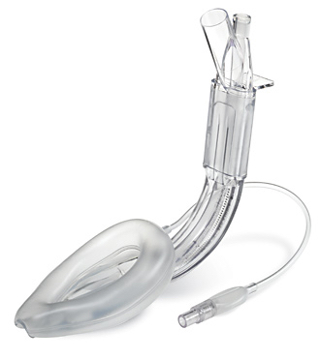
Podcast #383: Prehospital Tubes

Podcast #383: Prehospital Tubes

Author: Sam Killian, MD Educational Pearls: Two high quality randomized control trials published in 2018 demonstrated no difference in mortality or neurologic outcomes when using a supraglottic ai...

24 Sep 20184min
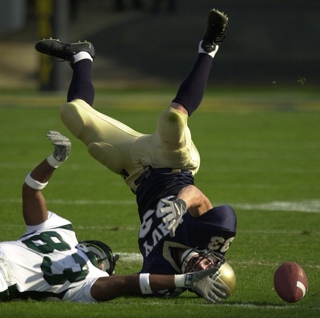
Podcast #382: Shoulder Separations

Podcast #382: Shoulder Separations

Author: Ryan Circh, MD Educational Pearls: A "shoulder separation" is when the clavicle separates from the scapula - also referred to as an acromio-clavicular (AC) separation Diagnosis is clinic...

21 Sep 20183min
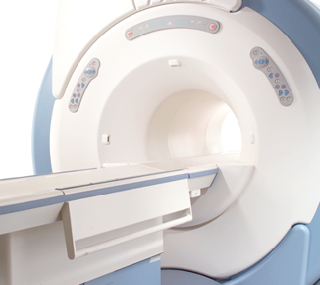
Podcast #381: MRI... Burns?

Podcast #381: MRI... Burns?

Author: Sam Killian, MD Educational Pearls: MRI machines can generate enough heat from the radiofrequency to cause thermal burns Patients with EKG stickers, medication patches, clothing impregna...

19 Sep 20183min
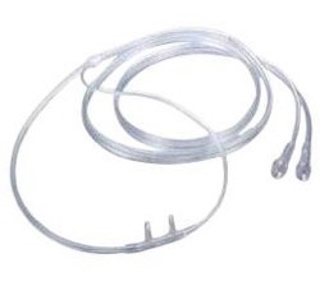
Podcast #380: Oxygen for the kill

Podcast #380: Oxygen for the kill

Author: Ryan Circh, MD Educational Pearls: Review of 25 randomized control trials encompassing 16,037 acutely ill hospitalized patients Patients given oxygen with saturations > 94% on room air wer...

17 Sep 20183min
Podcast #379: Patient Perspectives of the Flu

Podcast #379: Patient Perspectives of the Flu

Author: Sam Killian, MD Educational Pearls: Patients may have certain fears or expectations about the flu based on hearsay and other less reliable sources Taking extra time explaining the risks ...

14 Sep 20184min
Podcast #378: Is That a Brown Recluse Spider Bite?

Podcast #378: Is That a Brown Recluse Spider Bite?

Author: Michael Hunt, MD Educational Pearls: Use the mnemonic NOT RECLUSE to rule out a brown recluse spider bite: Numerous bites (recluse spiders will bite once) Occurence (recluse bites betw...

12 Sep 20184min

Populärt inom Vetenskap

p3-dystopia
dumma-manniskor
svd-nyhetsartiklar
allt-du-velat-veta
kapitalet-en-podd-om-ekonomi
rss-ufo-bortom-rimligt-tvivel
paranormalt-med-caroline-giertz
sexet
rss-spraket
det-morka-psyket
rss-experimentet
rss-vetenskapsradion-2
hacka-livet
dumforklarat
halsorevolutionen
4health-med-anna-sparre
rss-tidslinjen-podcast
bildningspodden
medicinvetarna
vetenskapsradion