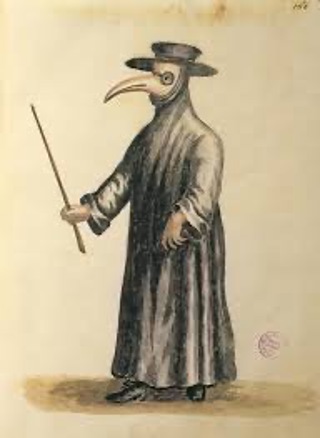

Podcast 579:  Yersinia Pestis

Podcast 579: Yersinia Pestis

Contributor: Don Stader, MD

Educational Pearls:

  • Yersinia Pestis is the bacteria that caused the black plague. It was first discovered to be the cause of the bubonic plague in 1800s in China during the 3rd bubonic plague where 10-20 million people died
  • Causes 3 types of plague:
    • Bubonic plague: characterized by severe swelling of lymph nodes called buboes, most commonly in the groin, also axillary and olecranon lymph nodes.
    • Septicemic plague: characterized by severe sepsis, no lymphadenopathy. This strain famously causes disseminated intravascular coagulopathy (DIC) and can lead to limb necrosis and fingers turning black. Hence the name the Black Death.
    • Pneumonic: most dangerous of the plagues and characterized by PNA on CXR with pronounced mediastinal lymphadenopathy
  • Fleas are the largest reservoir, although prairie dogs and squirrels have been known to carry the bacteria as well.
  • Yersinia Pestis creates a microfilm inside the stomach of fleas and renders them incapable of digesting your blood when they try to eat it and they vomit the bacteria into your blood.
  • Doxycycline and Ciprofloxacin are the mainstay of treatment.

References

Achtman M, Zurth K, Morelli G, Torrea G, Guiyoule A. Carniel E. Yersinia pestis, the cause of plague, is a recently emerged clone of Yersinia pseudotuberculosis. Proc Natl Acad Sci U S A. 1999. doi:10.1073/pnas.96.24.14043

Galimand M, Carniel E, Courvalin P. Resistance of Yersinia pestis to Antimicrobial Agents. Antimicrob Agents Chemother. 2006;50(10):3233 LP - 3236. doi:10.1128/AAC.00306-06

Sexton D, Stout J. Clinical Manifestations, Diagnosis, And Treatment Of Plague (Yersinia Pestis Infection). Waltham, MA: UpToDate; 2020.

Summarized by Mason Tuttle & Jackson Roos, MS4 | Edited by Erik Verzemnieks, MD


Avsnitt(1145)

Podcast 702: Paralytic Awareness

Podcast 702: Paralytic Awareness

Contributor: Aaron Lessen, MD Educational Pearls: Known risk factors for being awake and paralyzed in the OR include only receiving IV medications, long-acting paralytics, and no formal monitoring sy...

9 Aug 20212min

Podcast 701: Elevated Blood Pressure Readings

Podcast 701: Elevated Blood Pressure Readings

Contributor: Aaron Lessen, MD Educational Pearls: Recent retrospective cohort study looked at elevated BP readings in the ED and correlation to underlying hypertension Large cohort of over 30,000 pat...

3 Aug 20213min

Podcast 700: Analgesics for Acute Musculoskeletal Pain

Podcast 700: Analgesics for Acute Musculoskeletal Pain

Contributor: Aaron Lessen, MD Educational Pearls: Recent RCT compared pain relief in patients receiving five medications for acute musculoskeletal pain Acetaminophen 1000mg/ibuprofen 400 mg Acetam...

2 Aug 20212min
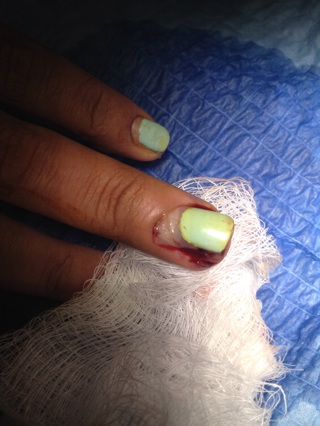
Podcast 699: Pediatric Fingernail Avulsions

Podcast 699: Pediatric Fingernail Avulsions

Contributor: Aaron Lessen, MD Educational Pearls: Traditionally, fingernails were replaced after avulsion using sutures Sometimes artificial material was placed when the fingernail was not available ...

28 Juli 20213min

Podcast 698: Empathy, Burnout, and Patient Satisfaction

Podcast 698: Empathy, Burnout, and Patient Satisfaction

Contributor: Aaron Lessen, MD Educational Pearls: Survey of EM physicians to self-report empathy and burnout levels and correlated with patient satisfaction scores Patient satisfaction was not affect...

27 Juli 20212min
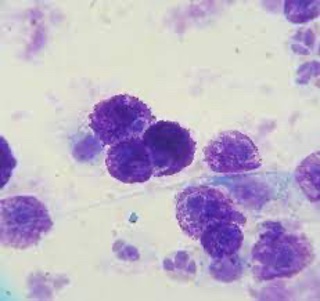
Podcast 697: Kounis Syndrome

Podcast 697: Kounis Syndrome

Contributor: Aaron Lessen, MD Educational Pearls: Kounis syndrome is an allergic acute coronary syndrome Triggers include medications (antibiotics), insect bites, or other common allergens Believed t...

26 Juli 20213min
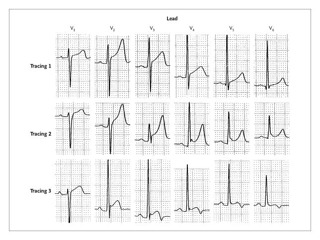
Podcast 696: ST Elevation and Differential Diagnoses

Podcast 696: ST Elevation and Differential Diagnoses

Contributor: Peter Bakes, MD Educational Pearls: ST elevation clinical guidelines for myocardial infarction include: 2.5 mm elevation for males 2 mm elevation in males >40 in V2 and V3 1.5 mm elev...

21 Juli 20214min
Podcast 695: Einstein and Cellophane

Podcast 695: Einstein and Cellophane

Educational Pearls: Albert Einstein had chronic abdominal pain as a middle-aged man Dr. Rudolph Nissen, founder of the Nissen fundoplication, performed exploratory surgery for this pain and found an ...

20 Juli 20213min

Populärt inom Vetenskap

p3-dystopia
dumma-manniskor
svd-nyhetsartiklar
allt-du-velat-veta
kapitalet-en-podd-om-ekonomi
det-morka-psyket
pojkmottagningen
dumforklarat
rss-vetenskapsradion
rss-vetenskapsradion-2
sexet
halsorevolutionen
rss-ufo-bortom-rimligt-tvivel
rss-experimentet
rss-broccolipodden-en-podcast-som-inte-handlar-om-broccoli
rss-spraket
medicinvetarna
bildningspodden
vetenskapsradion
rss-lara-fran-larda-en-fackbok-och-en-forfattare