Podcast 582:  Gadolinium - The Contrast of MRI

Podcast 582: Gadolinium - The Contrast of MRI

Contributor: Michael Hunt, MD

Educational Pearls:

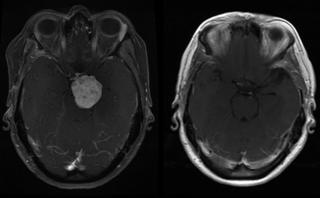
  • Contrast agents are commonly used for X-rays and CT's to better characterize disease, but contrast doesn't work with MRI. That's where the element Gadolinium comes into play.
  • Gadolinium, element 64, is ferromagnetic (attracted to iron) below 68 degrees and above that temperature it's paramagnetic which makes it useful in MRI (Magnetic Resonance Imaging).
  • Gadolinium is toxic alone, but when paired with chelators it can be used in humans and allows for better characterization of tumors or abnormal tissue on MRI.
  • It helps identify this abnormal tissue because when MRI causes polarization of our body's cells, the gadolinium, which has the maximum number of unpaired electrons in its orbital shells, alters the rate of decay in abnormal tissue highlighting abnormalities on imaging.
  • Gadolinium can also be used in the treatment of cancers because it collects in the cells of abnormal tissue, allowing for more targeted therapies.
  • In people exposed to gadolinium, the anaphylaxis rate is low, below 1/1000, and in rare cases there are reports of kidney injury and nephrogenic systemic fibrosis which is why it's not recommended in renal failure patients.

References

1)Ibrahim MA, Hazhirkarzar B, Dublin AB. Magnetic Resonance Imaging (MRI) Gadolinium. [Updated 2020 Mar 9]. In: StatPearls [Internet]. Treasure Island (FL): StatPearls Publishing; 2020 Jan-. Available from: https://www.ncbi.nlm.nih.gov/books/NBK482487/

2)Pasquini L, Napolitano A, Visconti E, et al. Gadolinium-Based Contrast Agent-Related Toxicities [published correction appears in CNS Drugs. 2018 May 15;:]. CNS Drugs. 2018;32(3):229-240. doi:10.1007/s40263-018-0500-1

Summarized by Jackson Roos, MS4 | Edited by Erik Verzemnieks, MD

Avsnitt(1145)

Podcast 774: Maggots

Podcast 774: Maggots

Contributor: Chris Holmes, MD Educational Pearls: Maggots were discovered as a therapy to help wound healing in WWI, but this fell out of favor after the discovery of penicillin One study from Israel...

19 Apr 20225min
Podcast 773: Atrial Fibrillation Medications

Podcast 773: Atrial Fibrillation Medications

Contributor: Aaron Lessen, MD Educational Pearls: Atrial fibrillation is an irregular heart rhythm that sometimes requires rate control in setting of rapid ventricular response (RVR) Calcium channel ...

18 Apr 20223min

Podcast 772: Firearms in Suicidal Ideation

Podcast 772: Firearms in Suicidal Ideation

Contributor: Aaron Lessen, MD Educational Pearls: Firearms are a dangerous potential method of committing suicide Death occurs in about 5-15% of suicide attempts overall, but death in suicide attempt...

12 Apr 20224min

Podcast 771: Intubation in Cardiac Arrest

Podcast 771: Intubation in Cardiac Arrest

Contributor: Don Stader, MD Educational Pearls: In a secondary analysis of the PART trial, the mortality effect of timing of airway management for patients in cardiac arrest was examined Study looked...

11 Apr 20223min
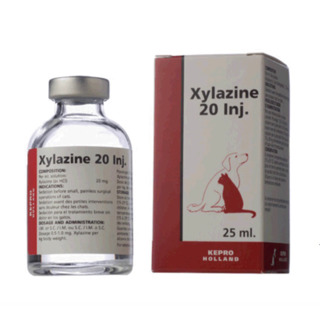
Podcast 770: Xylazine

Podcast 770: Xylazine

Contributor: Don Stader, MD Educational Pearls: Xylazine, referred to as tranq dope colloquially, is an FDA approved animal tranquilizer that is circulating in the illicit drug markets of the northea...

5 Apr 20223min
Podcast 769: Pressors After Cardiac Arrest

Podcast 769: Pressors After Cardiac Arrest

Contributor: Aaron Lessen, MD Educational Pearls: Hypotension after cardiac arrest often requires a vasopressor to improve blood pressure Recent observational study from France examined outcomes of p...

4 Apr 20223min
Mental Health Monthly #11: De-escalation: Changing Confrontation to Collaboration

Mental Health Monthly #11: De-escalation: Changing Confrontation to Collaboration

Contributor: Dr. Kimberly Nordstrom De-escalation usually takes less time than physical and chemical restraints, which leads to decreased injury to staff members, better patient trust and increased p...

30 Mars 202216min
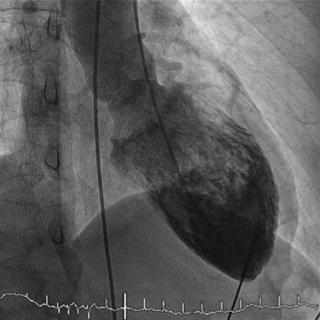
Podcast 768: Takotsubo Cardiomyopathy

Podcast 768: Takotsubo Cardiomyopathy

Contributor: Peter Bakes, MD Educational Pearls: 3% of cases of acute coronary syndrome are due to Takotsubo Takotsubo cardiomyopathy or "broken heart syndrome" can occur with severe physiologic or ...

29 Mars 20224min

Populärt inom Vetenskap

p3-dystopia
dumma-manniskor
svd-nyhetsartiklar
allt-du-velat-veta
kapitalet-en-podd-om-ekonomi
det-morka-psyket
pojkmottagningen
dumforklarat
rss-vetenskapsradion-2
rss-vetenskapsradion
sexet
halsorevolutionen
rss-ufo-bortom-rimligt-tvivel
rss-spraket
rss-experimentet
vetenskapsradion
rss-broccolipodden-en-podcast-som-inte-handlar-om-broccoli
medicinvetarna
bildningspodden
4health-med-anna-sparre