On the Streets #9: Advanced Applications of Capnography

On the Streets #9: Advanced Applications of Capnography

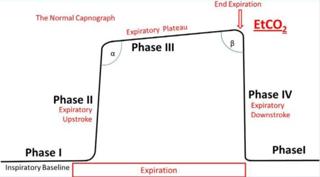
Capnography is the measurement of the partial pressure of exhaled CO2 and is an indirect measurement of your cellular respiration. It is displayed visually as a block-like waveform during the exhalation phase of respiration and monitors ventilation in real-time. Capnography is the gold standard for monitoring sedated and intubated patients in the hospital and the field and can be used in many other situations to discern more information about your patient.

Our host Jordan Ourada is joined by Dr. Eric Hill who is a board certified Emergency Physician, EMS Director for 9 agencies around Colorado, a retired military physician with the Army, former paramedic firefighter and combat veteran to discuss advanced applications of capnography to monitor a range of different patients in the pre-hospital setting. Tune in to learn how to apply capnography to monitor your patients and detect serious conditions like sepsis and DKA and initiate time-sensitive interventions that reduce mortality in patients.

Quick Educational Pearls:

  1. Normal range is between 35 - 45 mmHg
  2. Low capnography indicates they are blowing off CO2
  3. High capnography indicates they are retaining CO2
  4. Normal waveform morphology is box-like with gradual expiratory plateau after expiratory upstroke
  5. Monitor your patient's status and interpret the capnography numbers, rate and waveforms accordingly

Time Stamps

1:32 Capnography definition

6:36 Normal range

7:40 Reading capnography waveforms

12:36 Capnography monitoring in sedated/intubated patients

13:36 Intubation monitoring

18:03 VQ match vs mismatch

21:42 Asthmatic patients

24:30 Capnography cannula

26:24 Cardiac arrest uses

31:28 Acid-base physiology

37:28 Diabetic patients

40:15 COPD patients

41:42 CHF patients

45:18 Head injury patients

52:07 Sepsis detection and subsequent prehospital management

1:08:15 Closing thoughts on using capnography in the field

REFERENCES

  • Brandt, P. "Current Capnography Field Uses." JEMS. 2010, Nov.

  • DiCorpo,P.,etal."CapnographyProvidesBiggerPhysiological

    Picture to Maximize Patient Care." JEMS. 2015, Nov.

  • Eckstein,M.,etal."End-tidalCO2asapredictorofsurvivalinout-of- hospital cardiac arrest." Prehosp Disaster Med. 2011 Jun;26(3):148-50

  • Kodali,B."Physicsofcapnography."2014

  • Poste,J.,etal."Airmedicaltransportofseverelyhead-injured patients undergoing paramedic rapid sequence intubation." Air Med J. 2004 Jul-Aug;23(4):36-40

  • Davis, D., et al. "Predictors of Intubation Success and Therapeutic Value of Paramedic Airway Management in a Large, Urban EMS System." Prehospital Emergency Care. 2006: Vol. 10, Iss. 3.

  • Grmec, S. "Comparison of three different methods to confirm endotracheal tube placement in emergency intubation." Intensive Care Medicine. 2002; 28: 701-4.

  • Silvestri, et al. "The Effectiveness of out of hospital use of continuous end-tidal carbon dioxide monitoring on the rate of unrecognized misplaced intubation within a regional emergency medical services system." Ann Emerg Med. 2005; 45: 497- 503.

  • Hartman, et al. "Systematic Review and Meta- Analysis of End-Tidal Carbon Dioxide Values Associated With Return of Spontaneous Circulation During Cardiopulmonary Resuscitation." Journal Intensive Care Med. 2015, Oct;30 (7) 426-35.

  • Levine, et al. "End-tidal carbon dioxide and outcome of out-of-hospital cardiac arrest." N England J Med. 1997, Jul 31; 337(5): 301-6.

  • AHA 2015 Guidelines Update for Cardiopulmonary Resuscitation and Emergency Cardiovascular Care Science With Treatment Recommendations

  • Hunter CL, et al. "A prehospital screening tool utilizing end-tidal carbon dioxide predicts sepsis and severe sepsis." American Journal of Emergency Medicine. 2016 May; 34(5):813-819.

  • Bou Chebi, R, et al. "Diagnostic value of end tidal capnography in patients with hyperglycemia in the emergency department." BMC Emerg Med. 2016 Jan 29; 16:7

  • Soleimanpour, H, et al. "Predictive value of capnography for suspected diabetic ketoacidosis in the emergency department." West J Emerg Med. 2013;14(6): 590-4.

The Emergency Medical Minute is excited to announce that we are now offering AMA PRA Category 1 credits™ via online course modules. To access these and for more information, visit our website at www.emergencymedicalminute.com/cme-courses/ and create an account.

Avsnitt(1145)

Podcast 694: Complete Heart Block

Podcast 694: Complete Heart Block

Contributor: Nick Hatch, MD Educational Pearls: Complete heart block or 3rd degree atrioventricular (AV) block is diagnosed via EKG and occurs when electrical signals from the sinoatrial (SA) node ar...

19 Juli 20214min
Podcast 693: Humerus Fractures

Podcast 693: Humerus Fractures

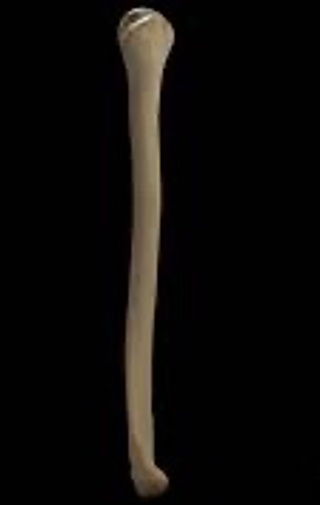
Contributor: Nick Tsipis, MD Educational Pearls: Humerus fractures can be characterized as proximal, midshaft, and distal fractures Proximal humerus fracture is the second-most common fracture in eld...

14 Juli 20217min
Podcast 692: Pelvic Fractures

Podcast 692: Pelvic Fractures

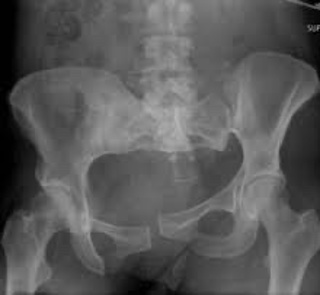
Contributor: Peter Bakes, MD Educational Pearls: Pelvis is comprised of the iliac, ischium, and sacrum Three mechanisms for pelvic fractures by Young-Burgess Classification Anterior-posterior compr...

13 Juli 20214min

Podcast 691: TXA in Head Bleeds

Podcast 691: TXA in Head Bleeds

Contributor: Ricky Dhaliwal, MD Educational Pearls: CRASH 3 Trial looked at over 12,000 patients with traumatic intracranial bleeds, randomizing patients to a therapy with TXA or standard of care wit...

12 Juli 20212min
Podcast 690: Rectal Oxygen. Nice,

Podcast 690: Rectal Oxygen. Nice,

Contributor: Chris Holmes, MD Educational Pearls: In the 1700s, boxes lined the River Thames to pump smoke up the rectum to resuscitate people who had been found unconscious in the river Sea cucumber...

7 Juli 20213min

Podcast 689: Peri-Intubation Hypotension

Podcast 689: Peri-Intubation Hypotension

Contributor: Ricky Dhaliwal, MD Educational Pearls: Hypotension in patients requiring intubation should be resuscitated as much as possible While intubating, the negative inspiratory pressure goes aw...

6 Juli 20214min
Podcast 688: tPA Before Thrombectomy

Podcast 688: tPA Before Thrombectomy

Contributor: Aaron Lessen, MD Educational Pearls: DEVT Trial, a recent non-inferiority study, looked at giving tPA prior to endovascular thrombectomy and was stopped early because there was no benefi...

5 Juli 20212min

Podcast 687: STI Complications

Podcast 687: STI Complications

Contributor: Jared Scott, MD Educational Pearls: PID (pelvic inflammatory disease) occurs when the infection ascends into the uterus Tubo-ovarian abscess occurs when the infection ascends to the fall...

30 Juni 20214min

Populärt inom Vetenskap

p3-dystopia
dumma-manniskor
svd-nyhetsartiklar
allt-du-velat-veta
kapitalet-en-podd-om-ekonomi
det-morka-psyket
pojkmottagningen
dumforklarat
rss-vetenskapsradion
rss-vetenskapsradion-2
sexet
halsorevolutionen
rss-ufo-bortom-rimligt-tvivel
rss-experimentet
rss-broccolipodden-en-podcast-som-inte-handlar-om-broccoli
rss-spraket
medicinvetarna
bildningspodden
vetenskapsradion
rss-lara-fran-larda-en-fackbok-och-en-forfattare