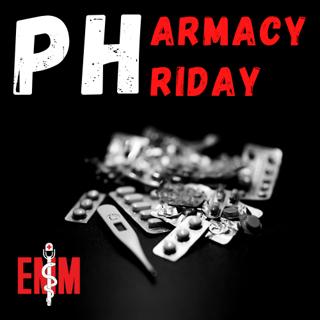

Pharmacy Phriday #6: Tik Tok Benadryl Challenge and Diphenhydramine Toxicity

Pharmacy Phriday #6: Tik Tok Benadryl Challenge and Diphenhydramine Toxicity

Contributor: Ruben Marrero-Vasquez, PharmD

Educational Pearls:

  • ACEP and FDA have both issued warnings about the viral Tik Tok Benadryl (diphenhydramine) challenge where individuals voluntarily overdose on diphenhydramine which can cause fatal toxicity
  • Diphenhydramine is typically dosed at 0.5-1 mg/kg in pediatric patients Q4-6 PRN and carries a fatal dose of 20-40 mg/kg but anywhere from 3-5x recommended dose does can cause toxicity
  • Diphenhydramine toxicity causes both central and peripheral anticholinergic toxicity
    • Central anticholinergic toxicity symptoms: delirium, agitation, combativeness, confusion, restlessness, hallucinations, ataxia, tremor and seizures
    • Peripheral anticholinergic toxicity symptoms: tachycardia, dry flushed skin, dry mucus membranes, thick secretions, dilation of pupils, urinary retention, and decreased bowel sounds
  • Pneumatic to help you remember anticholinergic toxidrome:
    • Red as a beet
    • Dry as a bone
    • Blind as a bat
    • Mad as a hatter
    • Hot as a hare
    • Full as a flask
  • Management typically only requires supportive care, agitation from central anticholinergic delirium can be hardest aspect to treat, IV benzodiapines are first line treatment to control and may require large doses to prevent rhabdomyolysis and hyperthermia
  • Diphenhydramine toxicity has been associated with blockade of sodium and potentially potassium channels increasing risk of arrhythmia and seizures. Cardiac changes can include: QRS widening, myocardial depression, QT prolongation and torasades-type ventricular tachycardia.
    • Wide QRS complexes indicate delayed ventricular depolarization caused by sodium channel blockade, bolus of sodium bicarbonate can be used dosed 1-2 mEq/kg followed by continuous infusion
    • Prolonged QT: restoration of low serum potassium and magnesium to high normal range
  • Benzodiazipines should be used as first line therapy for toxin induced seizures
    • Don't use fosphenytoin or phenytoin sodium channel blockers as they can worsen cardiac conduction

References

  1. Olson KR, Anderson IB, Benowitz NL, Blanc PD, Clark RF, Kearney TE, Kim-Katz SY, Wu AH. Diphenhydramine. In: Poisoning & Drug Overdose. 7th ed.McGraw Hll; 2018: 544-545.
  2. FDA Warns About Serious Problems With High Doses Of The Allergy Medicine Diphenhydramine (Benadryl).(09/24/2020). CDC website. Accessed December 01, 2020. https://www.fda.gov/drugs/drug-safety-and-availability/fda-warns-about-serious-problems-high-doses-allergy-medicine-diphenhydramine-benadryl.
  3. Su M, Goldman M. Anticholinergic Poisoning. UpToDate. https://www.uptodate.com/contents/anticholinergic-poisoning?search=diphenhydramine overdose&source=search_result&selectedTitle=1~150&usage_type=default&display_rank=1. Published October 6, 2020. Accessed December 26, 2020.

Summarized by Mason Tuttle

Avsnitt(1145)

Episode 905: Oseltamivir (Tamiflu) for Influenza

Episode 905: Oseltamivir (Tamiflu) for Influenza

Contributor: Aaron Lessem MD Educational Pearls:  Oseltamivir (Tamiflu) is an antiviral medication used commonly to treat influenza Trials show that the medication reduces the duration of illness ...

27 Maj 20242min

Episode 904: Cardiovascular Risks of Epinephrine

Episode 904: Cardiovascular Risks of Epinephrine

Contributor: Aaron Lessen MD Educational Pearls: Epinephrine is essential in the treatment of anaphylaxis, but is epinephrine dangerous from a cardiovascular perspective? A 2024 study in the Journal o...

20 Maj 20242min

Episode 903: Treating Precipitated Opioid Withdrawal

Episode 903: Treating Precipitated Opioid Withdrawal

Contributor: Aaron Lessen MD Educational Pearls: Opioid overdoses that are reversed with naloxone (Narcan), a mu-opioid antagonist, can precipitate acute withdrawal in some patients Treatment of o...

13 Maj 20242min

Episode 902: Liver Failure and Cirrhosis

Episode 902: Liver Failure and Cirrhosis

Contributor: Travis Barlock MD Educational Pearls: How do you differentiate between compensated and decompensated cirrhosis? Use the acronym VIBE to look for signs of being decompensated. V-Volume ...

6 Maj 20243min

Episode 901: Underdosing in Status Epilepticus

Episode 901: Underdosing in Status Epilepticus

Contributor: Aaron Lessen MD Educational Pearls: Lorazepam (Ativan) is dosed at 0.1 mg/kg up to a maximum of 4 mg in status epilepticus Some ED protocols only give 2 mg initially The maximum r...

29 Apr 20242min

Episode 900: Ketamine Dosing

Episode 900: Ketamine Dosing

Contributor: Travis Barlock MD Educational Pearls: Ketamine is an NMDA receptor antagonist with a wide variety of uses in the emergency department. To dose ketamine remember the numbers 0.3, 1, and 3....

22 Apr 20242min

Episode 899: Thrombolytic Contraindications

Episode 899: Thrombolytic Contraindications

Contributor: Travis Barlock MD Educational Pearls: Thrombolytic therapy (tPA or TNK) is often used in the ED for strokes Use of anticoagulants with INR > 1.7 or  PT >15 Warfarin will reliably i...

15 Apr 20243min

Episode 898: Takotsubo Cardiomyopathy

Episode 898: Takotsubo Cardiomyopathy

Contributor: Ricky Dhaliwal, MD Educational Pearls: Takotsubo cardiomyopathy, also known as "broken heart syndrome," is a temporary heart condition that can mimic the symptoms of a heart attack, inc...

10 Apr 20243min

Populärt inom Vetenskap

svd-nyhetsartiklar
p3-dystopia
dumma-manniskor
pojkmottagningen
allt-du-velat-veta
det-morka-psyket
kapitalet-en-podd-om-ekonomi
rss-experimentet
dumforklarat
rss-vetenskapsradion-2
halsorevolutionen
rss-ufo-bortom-rimligt-tvivel
medicinvetarna
rss-vetenskapsradion
paranormalt-med-caroline-giertz
bildningspodden
rss-spraket
sexet
vetenskapsradion
4health-med-anna-sparre