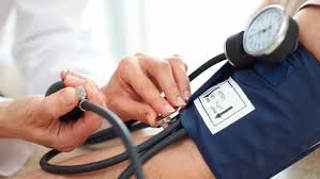

Podcast 779: Pulse Pressure in Trauma

Podcast 779: Pulse Pressure in Trauma

Contributor: Aaron Lessen, MD Educational Pearls:
  • Pulse pressure is the difference between the systolic and diastolic blood pressure, normal is about 40
  • A narrow pulse pressure is generally thought of as less than 30 mmHg which may signal peripheral vasoconstriction in response to lower blood volumes
  • 2020 study examined hypotension and narrow pulse pressure in trauma and outcomes
  • 37% of patients who were hypotensive on ED arrival had a severe injury, 22% of patients who had a narrow pulse pressure had a severe injury, and 11% of patients with normal blood pressure and normal pulse pressure had a severe injury
  • Need for thoracotomy, death, cardiac arrest, and need for other interventions was highest in the hypotensive group, the lowest in the normal blood pressure/normal pulse pressure group, and narrow pulse pressure group outcomes fell in the middle
  • Narrow pulse pressure in the setting of trauma may be a helpful vital sign to incorporate into trauma care in the ED

References

Schellenberg M, Owattanapanich N, Getrajdman J, Matsushima K, Inaba K. Prehospital Narrow Pulse Pressure Predicts Need for Resuscitative Thoracotomy and Emergent Intervention After Trauma [published correction appears in J Surg Res. 2021 Oct 6;270:1]. J Surg Res. 2021;268:284-290. doi:10.1016/j.jss.2021.06.051

Summarized by John Spartz, MS4 | Edited by Erik Verzemnieks, MD

The Emergency Medical Minute is excited to announce that we are now offering AMA PRA Category 1 credits™ via online course modules. To access these and for more information, visit our website at https://emergencymedicalminute.org/cme-courses/ and create an account.

Donate to EMM today!

Avsnitt(1149)

Episode 909: Prehospital Blood Pressure Management in Suspected Stroke

Episode 909: Prehospital Blood Pressure Management in Suspected Stroke

Contributor: Aaron Lessen MD Educational Pearls: A recent study assessed EMS treatment of high blood pressure in the field 2404 patients randomized to prehospital treatment (1205) vs. usual care ...

24 Juni 20242min

Episode 908: Sympathomimetic Drugs

Episode 908: Sympathomimetic Drugs

Contributor: Taylor Lynch MD Educational Pearls: Overview: Sympathomimetic drugs mimic the fight or flight response, affecting monoamines such as dopamine, norepinephrine, and epinephrine Limited th...

17 Juni 20247min

Episode 907: Wide-Complex Tachycardia

Episode 907: Wide-Complex Tachycardia

Contributor: Travis Barlock MD Educational Pearls: Wide-complex tachycardia is defined as a heart rate > 100 BPM with a QRS width > 120 milliseconds Wide-complex tachycardia of supraventricular or...

12 Juni 20243min

Episode 906: Case Study of Hypernatremia

Episode 906: Case Study of Hypernatremia

Contributor: Aaron Lessen MD Educational Pearls: The case: A gentleman came in from a nursing home with symptoms concerning for sepsis. He was hypotensive, hypoxic, febrile, and mentally altered. ...

3 Juni 20243min

Episode 905: Oseltamivir (Tamiflu) for Influenza

Episode 905: Oseltamivir (Tamiflu) for Influenza

Contributor: Aaron Lessem MD Educational Pearls:  Oseltamivir (Tamiflu) is an antiviral medication used commonly to treat influenza Trials show that the medication reduces the duration of illness ...

27 Maj 20242min

Episode 904: Cardiovascular Risks of Epinephrine

Episode 904: Cardiovascular Risks of Epinephrine

Contributor: Aaron Lessen MD Educational Pearls: Epinephrine is essential in the treatment of anaphylaxis, but is epinephrine dangerous from a cardiovascular perspective? A 2024 study in the Journal o...

20 Maj 20242min

Episode 903: Treating Precipitated Opioid Withdrawal

Episode 903: Treating Precipitated Opioid Withdrawal

Contributor: Aaron Lessen MD Educational Pearls: Opioid overdoses that are reversed with naloxone (Narcan), a mu-opioid antagonist, can precipitate acute withdrawal in some patients Treatment of o...

13 Maj 20242min

Episode 902: Liver Failure and Cirrhosis

Episode 902: Liver Failure and Cirrhosis

Contributor: Travis Barlock MD Educational Pearls: How do you differentiate between compensated and decompensated cirrhosis? Use the acronym VIBE to look for signs of being decompensated. V-Volume ...

6 Maj 20243min

Populärt inom Vetenskap

dumma-manniskor
p3-dystopia
svd-nyhetsartiklar
allt-du-velat-veta
kapitalet-en-podd-om-ekonomi
rss-vetenskapsradion
medicinvetarna
det-morka-psyket
rss-ufo-bortom-rimligt-tvivel-2
rss-vetenskapsradion-2
rss-experimentet
sexet
halsorevolutionen
paranormalt-med-caroline-giertz
dumforklarat
hacka-livet
bildningspodden
rss-geopodden-2
vetenskapsradion
rss-spraket