

Podcast 785: Pepper Spray

Podcast 785: Pepper Spray

Contributor: Jared Scott, MD

Educational Pearls:

  • Pepper spray is a chemical irritant derived from oleoresin capsicum (OC), an extract from pepper plants. It can be used by police for riot or crowd control, or by individuals for self defense.
  • In the event of an exposure, those affected should immediately disperse from the area, remove contact lenses with clean or gloved hands, and remove contaminated clothing.
  • Pepper spray can spread from patients to providers by contact. When caring for those exposed, providers should use PPE including gloves and should double bag personal belongings.
  • For patient management consider the following:
    • If the eyes are affected, first remove contacts then irrigate with clean water. Use proparacaine drops for relief.
    • Clean exposed skin thoroughly with soap and water.
    • Inhalation and ingestion may cause nausea, vomiting, shortness of breath and generalized anxiety from discomfort. Treatment can include antiemetics and anxiolytics. Symptoms may persist for many days.

References

Schep LJ, Slaughter RJ, McBride DI. Riot control agents: the tear gases CN, CS and OC-a medical review. J R Army Med Corps. 2015;161(2):94-99. doi:10.1136/jramc-2013-000165

Tidwell RD, Wills BK. Tear Gas and Pepper Spray Toxicity. [Updated 2022 Jan 10]. In: StatPearls [Internet]. Treasure Island (FL): StatPearls Publishing; 2022 Jan-. Available from: https://www.ncbi.nlm.nih.gov/books/NBK544263/

Summarized by Kirsten Hughes, MS4 | Edited by John Spartz MS4 & Erik Verzemnieks, MD

The Emergency Medical Minute is excited to announce that we are now offering AMA PRA Category 1 credits™ via online course modules. To access these and for more information, visit our website at https://emergencymedicalminute.org/cme-courses/ and create an account.

Donate to EMM today!

*********************


Avsnitt(1145)

Podcast #220: A-Fib Cardioversion

Podcast #220: A-Fib Cardioversion

Author: Aaron Lessen, M.D. Educational Pearls Atrial fibrillation is common. One of the best treatments for a fib is cardioversion back into sinus rhythm. Cardioversion may increase stroke risk if A-...

23 Juni 20172min

Podcast #219: History of Sepsis

Podcast #219: History of Sepsis

Author: Chris Holmes, M.D. Educational Pearls "Sepo' is a term from Homer (author of The Iliad and The Odyssey), and means "I rot". Hippocrates in 400 BC identified sepsis as a "dangerous decay withi...

21 Juni 20176min

Podcast #218: Estimating Pediatric Weight

Podcast #218: Estimating Pediatric Weight

Author: Aaron Lessen, M.D. Educational Pearls Asking parents and Broselow Tape are common options for estimating pediatric weight. Equipment sizes should not be adjusted for under/overweight kids bas...

19 Juni 20172min
Podcast #217: Designer Drugs

Podcast #217: Designer Drugs

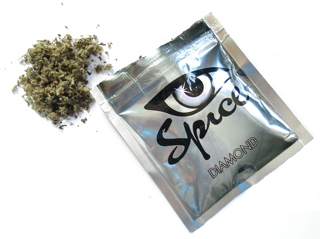
Author: John Winkler, M.D. Educational Pearls: Designer, or "synthetic" drugs include bath salts, synthetic THC, and many others. Many of these drugs are originally manufactured in China and are ship...

17 Juni 20173min

Podcast #216: Roller Coasters and Kidney Stones

Podcast #216: Roller Coasters and Kidney Stones

Author: Aaron Lessen, M.D. Educational Pearls: Anecdotal evidence suggests that roller coasters may help with kidney stones. A recent study used a model of a kidney and ureter with different sized s...

13 Juni 20171min
Opioid MIniseries Part IV: Harm Reduction

Opioid MIniseries Part IV: Harm Reduction

PRACTICE RECOMMENDATIONS 1. Patients who abuse opioids should be managed without judgement; addiction is a medical condition and not a moral failing. Caregivers should endeavor to meet patients "where...

8 Juni 201748min
Opioid Miniseries Part III: Alternative to Opioids

Opioid Miniseries Part III: Alternative to Opioids

PRACTICE RECOMMENDATIONS 1. All emergency departments should implement ALTO programs and provide opioid-free pain treatment pathways for the following conditions: a. Acute on chronic opioid-tolerant r...

8 Juni 201749min

Opioid Miniseries Part II: Limiting Opioids in the Emergency Department

Opioid Miniseries Part II: Limiting Opioids in the Emergency Department

RACTICE RECOMMENDATIONS 1. Opioids are inherently dangerous, highly addictive drugs with significant abuse potential, numerous side effects, lethality in overdose, rapid development of tolerance, and ...

8 Juni 20171h 8min

Populärt inom Vetenskap

svd-nyhetsartiklar
p3-dystopia
dumma-manniskor
pojkmottagningen
allt-du-velat-veta
det-morka-psyket
kapitalet-en-podd-om-ekonomi
rss-experimentet
dumforklarat
rss-vetenskapsradion-2
halsorevolutionen
rss-ufo-bortom-rimligt-tvivel
medicinvetarna
rss-vetenskapsradion
paranormalt-med-caroline-giertz
bildningspodden
rss-spraket
sexet
vetenskapsradion
4health-med-anna-sparre