
Podcast 824: Catheter-Related Blood Infections

Podcast 824: Catheter-Related Blood Infections

Contributor: Travis Barlock, MD

Educational Pearls:

  • Catheter related blood infections were thought to be caused by skin flora seeding the catheter. Thus, significant effort is applied to sterility and skin preparation.
  • However, studies have shown that bacteria growing on the tip of the catheter is not consistent with growth on cultures of skin.
  • Staphylococcus epidermidis is commonly found on cultures of catheter sites. It has also been found in the gut flora of >50% of ICU patients. Rates of catheter related blood infections have been decreased through oral decontamination and early feeding.
  • These findings suggest enteral bacterial translation as a major source of blood stream infection.

References

O'Grady NP, Alexander M, Burns LA, et al. Guidelines for the prevention of intravascular catheter-related infections. Clin Infect Dis. 2011;52(9):e162-e193. doi:10.1093/cid/cir257

von Eiff C, Becker K, Machka K, Stammer H, Peters G. Nasal carriage as a source of Staphylococcus aureus bacteremia. Study Group. N Engl J Med. 2001;344(1):11-16. doi:10.1056/NEJM200101043440102

ALTEMEIER WA, HUMMEL RP, HILL EO. Staphylococcal enterocolitis following antibiotic therapy. Ann Surg. 1963;157(6):847-858. doi:10.1097/00000658-196306000-00003

Marshall JC, Christou NV, Horn R, Meakins JL. The microbiology of multiple organ failure. The proximal gastrointestinal tract as an occult reservoir of pathogens. Arch Surg. 1988;123(3):309-315. doi:10.1001/archsurg.1988.01400270043006

Mrozek N, Lautrette A, Aumeran C, et al. Bloodstream infection after positive catheter cultures: what are the risks in the intensive care unit when catheters are routinely cultured on removal?. Crit Care Med. 2011;39(6):1301-1305. doi:10.1097/CCM.0b013e3182120190

Atela I, Coll P, Rello J, et al. Serial surveillance cultures of skin and catheter hub specimens from critically ill patients with central venous catheters: molecular epidemiology of infection and implications for clinical management and research. J Clin Microbiol. 1997;35(7):1784-1790. doi:10.1128/jcm.35.7.1784-1790.1997

Tani T, Hanasawa K, Endo Y, et al. Bacterial translocation as a cause of septic shock in humans: a report of two cases. Surg Today. 1997;27(5):447-449. doi:10.1007/BF02385710

Summarized by Kirsten Hughes, MS4 | Edited by John Spartz, MS4 & Erik Verzemnieks, MD

In an effort to promote diversity, equity, and inclusion in Emergency Medicine, The Emergency Medical Minute is proud to present our 2nd annual Diversity and Inclusion Award. We support increasing the representation of underrepresented groups in medicine and extend this award to individuals applying to emergency medicine residencies during the 2022-2023 cycle. For information on award eligibility and the application process, visit https://emergencymedicalminute.com/edi-award/

Donate to EMM today!

Avsnitt(1147)

Podcast 797: Vitamin C in Sepsis

Podcast 797: Vitamin C in Sepsis

Contributor: Aaron Lessen, MD Educational Pearls: Prior, smaller studies showed intravenous Vitamin C given to patients with sepsis significantly improved patient mortality and additional outcomes. ...

12 Juli 20222min
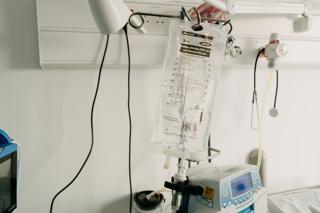
Podcast 796: Fluid Amounts in Septic Shock

Podcast 796: Fluid Amounts in Septic Shock

Contributor: Aaron Lessen, MD Educational Pearls: Septic shock management has traditionally endorsed rapid fluid resuscitation and the administration of vasopressors Current guidelines are for patien...

11 Juli 20223min
Podcast 795: Lithium Toxicity

Podcast 795: Lithium Toxicity

Contributor: Peter Bakes, MD Educational Pearls: Lithium remains a commonly used medication for treating bipolar disorder Lithium toxicity can be acute, acute-on-chronic, or chronic Measuring blood ...

5 Juli 20224min

Podcast 793: Postintubation Sedation and Analgesia

Podcast 793: Postintubation Sedation and Analgesia

Contributor: Peter Bakes, MD Educational Pearls: When intubating a patient, it is important to consider what medications will be used for post-intubation sedation and analgesia The common non-benzodi...

27 Juni 20226min
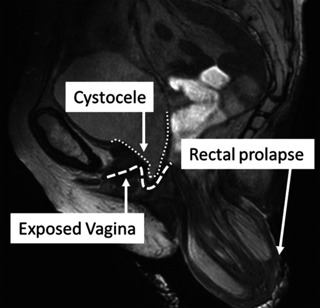
Podcast 792: Rectal Prolapse

Podcast 792: Rectal Prolapse

Contributor: Jarod Scott, MD Educational Pearls: Rectal prolapse is an evagination of the rectal tissue through the anal opening Factors that weaken the pelvic floor muscles increase the risk of rect...

21 Juni 20224min

Podcast 791: Hyperglycemic Hyperosmolar State

Podcast 791: Hyperglycemic Hyperosmolar State

Contributor: Aaron Lessen, MD Educational Pearls: Hyperglycemic Hyperosmolar State (HHS) is less common than Diabetic Ketoacidosis (DKA) but is associated with a mortality rate up to 10 times greater...

20 Juni 20223min

On the Streets #14: Trauma Activations in the Field

On the Streets #14: Trauma Activations in the Field

The Emergency Medical Minute is excited to announce that we our upcoming event, Palliative. Check out our event page for more information and to buy tickets: Palliative Eventbrite Page

15 Juni 202218min
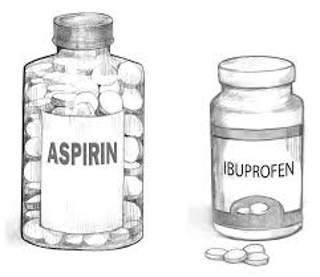
Podcast 790: Opioids vs OTC Pain Meds

Podcast 790: Opioids vs OTC Pain Meds

Contributor: Aaron Lessen, MD Educational Pearls: NSAIDs are a potential alternative to opioids for pain management and are associated with decreased rates of adverse effects A recent study evaluated...

14 Juni 20223min

Populärt inom Vetenskap

p3-dystopia
dumma-manniskor
svd-nyhetsartiklar
allt-du-velat-veta
kapitalet-en-podd-om-ekonomi
rss-ufo-bortom-rimligt-tvivel
sexet
rss-vetenskapsradion-2
paranormalt-med-caroline-giertz
rss-experimentet
hacka-livet
medicinvetarna
det-morka-psyket
dumforklarat
4health-med-anna-sparre
halsorevolutionen
rss-spraket
bildningspodden
pojkmottagningen
rss-personlighetspodden