Podcast 862: How to Apply a Painful Stimulus

Podcast 862: How to Apply a Painful Stimulus

Contributor: Travis Barlock MD

Educational Pearls:

When might you need to apply a painful stimulus in a medical setting?

  • The main reason is to assess the patient's level of consciousness, such as when they are waking up from anesthesia or have potentially suffered a brain injury.

  • It can be part of the Glasgow Coma Scale (GCS) if patients are not responding to auditory stimuli.

  • Possible levels of consciousness include Alert, Lethargic, Obtunded, and Comatose (ALOC)

What are the approved ways to apply a painful stimulus to assess central nervous system function?

  • Trapezius squeeze. Grab the trapezius muscle and twist (contraindicated in clavicle fractures).

  • Supraorbital rim pressure. Find the notch in the supraorbital rim of the patient and push hard with your thumb (contraindicated in facial fractures).

  • Mandibular pressure (not mentioned). Press hard at the angle of the jaw on the mandibular nerve (contraindicated in mandible fractures).

  • Sternal rub. Push down with your knuckles into the patient's sternum and rub vigorously (contraindicated in chest injury/surgery).

  • Each technique should be done for between 15 and 30 seconds.

  • If skin damage is observed in one location, move to a different location. This is especially true of the sternal rub.

Important note: Peripheral techniques such as nail tip pressure should only be used to evaluate spinal nerve reflexes and not as a method of assessing the level of consciousness.

References

  1. Lower J. Using pain to assess neurologic response. Nursing. 2003 Jun;33(6):56-7. doi: 10.1097/00152193-200306000-00047. PMID: 12799591.

  2. Middleton PM. Practical use of the Glasgow Coma Scale; a comprehensive narrative review of GCS methodology. Australas Emerg Nurs J. 2012 Aug;15(3):170-83. doi: 10.1016/j.aenj.2012.06.002. Epub 2012 Aug 3. PMID: 22947690.

  3. Mistovich JJ, Krost W, Limmer DD. Beyond the basics: patient assessment. Emerg Med Serv. 2006 Jul;35(7):72-7; quiz 78-9. PMID: 16878751.

  4. Naalla R, Chitirala P, Chittaluru P, Atreyapurapu V. Sternal rub causing presternal abrasion in a patient with capsuloganglionic haemorrhage. BMJ Case Rep. 2014 Apr 7;2014:bcr2014204028. doi: 10.1136/bcr-2014-204028. PMID: 24711478; PMCID: PMC3987201.

Summarized by Jeffrey Olson, MS2 | Edited by Jorge Chalit, OMSII

Avsnitt(1145)

Podcast 591: Pediatric Documentation Pearls

Podcast 591: Pediatric Documentation Pearls

Emergency Medical Minute collaborated with CarePoint Health in early March for a night of education on Pediatric Emergencies at a local Denver brewery for our latest Brewcast. Pediatric patients requi...

31 Aug 202011min
Pharmacy Phriday #2: Penicillin and Cephalosporin Allergies

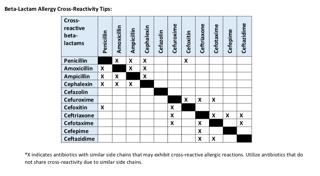
Pharmacy Phriday #2: Penicillin and Cephalosporin Allergies

The penicillin and cephalosporin drug classes include many first line drug options for infectious disease although high rates of self-reported allergies may cause physicians to seek alternative option...

28 Aug 202014min
Mental Health Monthly #4: Trauma, Loss and Grief in First Responders Heightened by COVID-19

Mental Health Monthly #4: Trauma, Loss and Grief in First Responders Heightened by COVID-19

Trauma and loss are common issues faced by emergency personnel and first responders. These challenges have since been heightened by the COVID-19 pandemic. On this installment of Mental Health Monthly,...

26 Aug 202020min
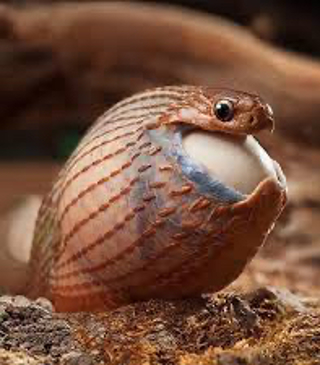
Podcast 590: Esophageal Food Impactions

Podcast 590: Esophageal Food Impactions

Contributor: Aaron Lessen, MD Educational Pearls: Carbonated beverages have shown efficacy in helping patients spontaneously pass esophageal food impactions Glucagon, while historically used for trea...

25 Aug 20202min
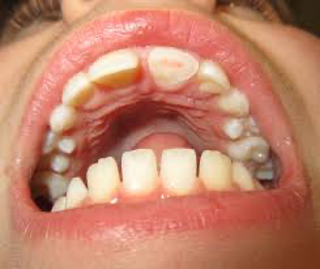
Podcast 589:  Management of Dental Trauma

Podcast 589: Management of Dental Trauma

Contributor: Peter Bakes, MD Educational Pearls: Dental fractures are described by the Ellis classifications, which are based on the involvement of layers of the teeth: Ellis I: involvement of the ...

24 Aug 20206min
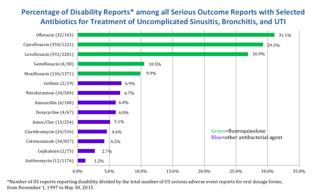
Pharmacy Friday #1: Antibiotic Alternatives to Fluoroquinolones for Infectious Disease

Pharmacy Friday #1: Antibiotic Alternatives to Fluoroquinolones for Infectious Disease

Welcome to EMM's first Pharmacy Friday where we dive deeper on a certain pharmacological topic as it pertains to emergency medicine. Dr. Rachael Duncan, emergency medicine clinical Pharmacist, joins u...

21 Aug 202019min
Buprenorphine after Naloxone

Buprenorphine after Naloxone

EMM would like to extend a large thank you to the Pain Management and Addiction Medicine section of the American College of Emergency Physicians for allowing us to post their webinar panel discussion ...

19 Aug 20201h 18min
Podcast 588: Esmolol for Refractory Ventricular Fibrillation

Podcast 588: Esmolol for Refractory Ventricular Fibrillation

Contributor: Ricky Dhaliwal, MD, JD Educational Pearls: Ventricular Fibrillation (VF) is a potentially fatal cardiac arrhythmia; Refractory VF even more so Epinephrine stimulates alpha and beta recep...

18 Aug 20203min

Populärt inom Vetenskap

p3-dystopia
dumma-manniskor
svd-nyhetsartiklar
allt-du-velat-veta
kapitalet-en-podd-om-ekonomi
det-morka-psyket
pojkmottagningen
dumforklarat
rss-vetenskapsradion
rss-vetenskapsradion-2
sexet
halsorevolutionen
rss-ufo-bortom-rimligt-tvivel
rss-experimentet
rss-broccolipodden-en-podcast-som-inte-handlar-om-broccoli
rss-spraket
medicinvetarna
bildningspodden
vetenskapsradion
rss-lara-fran-larda-en-fackbok-och-en-forfattare