Episode 870: Advanced Trauma Life Support (ATLS)

Episode 870: Advanced Trauma Life Support (ATLS)

Contributor: Meghan Hurley MD

Educational Pearls:

What is ATLS?

  • Advanced Trauma Life Support (ATLS) is a systematic and comprehensive approach to the evaluation and management of trauma patients

  • It was developed by the American College of Surgeons (ACS)

  • The key components include the Primary Survey ("ABCDE"), the Secondary Survey, Definitive Care, and Special Considerations

What are the issues with ATLS?

  • ATLS relies on many algorithms and rules-of-thumb, which might be helpful for individuals with basic skills and training but might actually present obstacles for those with higher levels of training. Dr. Hurley cites several examples.

Example 1: ABC approach to trauma patients

  • ABC stands for Airway, Breathing, and Circulation but focusing on the airway first is not always the best decision.

  • Immediate attention may need to be applied to massive hemorrhage.

  • Intubating a patient that is hemodynamically unstable may cause cardiac arrest.

  • A more helpful phrase might be "Resuscitate before you intubate."

Example 2: C-spine precautions

  • Cervical collars may impede the likelihood of first-pass success when intubating. The risk of complications from a failed airway may often outweigh the risk of causing a spinal cord injury.

Example 3:Cutting clothes off.

  • The E of ABCDE stands for exposure which means fully undressing the patient to look for missing injuries. This often involves cutting their clothes off.

  • This practice might be too broadly applied and leave low-risk trauma patients without any clothes to wear when discharged home.

Example 4: Digital rectal exam

  • A rectal exam can be a useful tool in the evaluation of patients with abdominal or pelvic injuries. It can help screen for rectal bleeding, pelvic fractures, and neurological function

  • However, the rectal exam is not a sensitive test. A retrospective study from the Indian Journal of Surgery found that a rectal exam missed 100% of urethra injuries, 92% of spinal cord injuries, 93% of small bowel injuries, 100% of colon injuries, and 67% of rectal injuries in trauma patients.

Example 6: Pushing on pelvis for pelvic injuries

  • Pushing on the pelvis to check for instability can cause further damage to an unstable pelvis. Imaging the pelvis is far more important than pressing on it if a pelvic fracture is suspected.

Example 7: FAST exam

  • A FAST exam, which stands for "Focused Assessment with Sonography for Trauma," is a rapid ultrasound examination used to assess trauma patients for signs of internal bleeding or organ damage in the abdomen and chest.

  • These can be very useful as an initial test to tell a trauma surgeon where to start looking for internal bleeding in an unstable blunt traumatic injury

  • If a patient is stable and likely going to get a CT scan whether the FAST is positive or negative then the test is unnecessary

References

  1. ATLS Subcommittee; American College of Surgeons' Committee on Trauma; International ATLS working group. Advanced trauma life support (ATLS®): the ninth edition. J Trauma Acute Care Surg. 2013 May;74(5):1363-6. doi: 10.1097/TA.0b013e31828b82f5. PMID: 23609291.

  2. Bloom BA, Gibbons RC. Focused Assessment With Sonography for Trauma. 2023 Jul 24. In: StatPearls [Internet]. Treasure Island (FL): StatPearls Publishing; 2023 Jan–. PMID: 29261902.

  3. Brown R. Oxygenate and Resuscitate Before You Intubate. Common pitfalls to avoid when managing the crashing airway. EMS World. 2016 Jan;45(1):48-50, 52, 54-5. PMID: 26852546.

  4. Chrimes N, Marshall SD. Attempt XYZ: airway management at the opposite end of the alphabet. Anaesthesia. 2018 Dec;73(12):1464-1468. doi: 10.1111/anae.14361. Epub 2018 Jul 11. PMID: 29998563.

  5. Docimo S Jr, Diggs L, Crankshaw L, Lee Y, Vinces F. No Evidence Supporting the Routine Use of Digital Rectal Examinations in Trauma Patients. Indian J Surg. 2015 Aug;77(4):265-9. doi: 10.1007/s12262-015-1283-y. Epub 2015 May 19. PMID: 26702232; PMCID: PMC4688269.

  6. Groeneveld A, McKenzie ML, Williams D. Logrolling: establishing consistent practice. Orthop Nurs. 2001 Mar-Apr;20(2):45-9. doi: 10.1097/00006416-200103000-00011. PMID: 12024634.

  7. Morgenstern, J. The FAST exam: overused and overrated?, First10EM, August 30, 2021.

  8. Rodrigues IFDC. To log-roll or not to log-roll - That is the question! A review of the use of the log-roll for patients with pelvic fractures. Int J Orthop Trauma Nurs. 2017 Nov;27:36-40. doi: 10.1016/j.ijotn.2017.05.001. Epub 2017 May 10. PMID: 28797555.

  9. Sapsford W. Should the 'C' in 'ABCDE' be altered to reflect the trend towards hypotensive resuscitation? Scand J Surg. 2008;97(1):4-11; discussion 12-3. doi: 10.1177/145749690809700102. PMID: 18450202.

  10. Sundstrøm T, Asbjørnsen H, Habiba S, Sunde GA, Wester K. Prehospital use of cervical collars in trauma patients: a critical review. J Neurotrauma. 2014 Mar 15;31(6):531-40. doi: 10.1089/neu.2013.3094. Epub 2013 Nov 6. PMID: 23962031; PMCID: PMC3949434.

Summarized by Jeffrey Olson MS2 | Edited by Meg Joyce & Jorge Chalit, OMSII

Avsnitt(1146)

Podcast 582:  Gadolinium - The Contrast of MRI

Podcast 582: Gadolinium - The Contrast of MRI

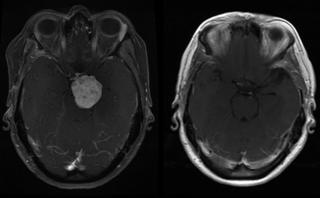
Contributor: Michael Hunt, MD Educational Pearls: Contrast agents are commonly used for X-rays and CT's to better characterize disease, but contrast doesn't work with MRI. That's where the element Ga...

28 Juli 20204min

Podcast 581:  Alcohol Complications

Podcast 581: Alcohol Complications

\Contributor: Don Stader, MD Educational Pearls: Altered mental status/confusion are major symptoms associated with both alcohol use and withdrawal. Wernicke's encephalopathy is a triad of symptoms o...

27 Juli 20206min
On The Streets #6: Artificial Intelligence Detection for LVOs

On The Streets #6: Artificial Intelligence Detection for LVOs

Meet Michelle Whaley, Clinical Nurse Specialist and Stroke Program Coordinator at Sky Ridge Medical Center in Lone Tree, Colorado. Jordan and Michelle discuss advances in Artificial Intelligence techn...

22 Juli 202021min
Podcast 580:  Origin of PPE

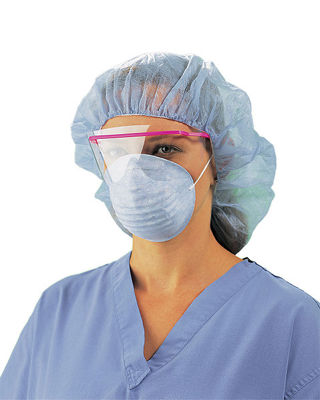
Podcast 580: Origin of PPE

Contributor: Michael Hunt, MD Educational Pearls: PPE, or personal protective equipment, has become a major talking point since the emergence of the novel coronavirus (COVID 19). While ubiquitous now...

21 Juli 20204min
Podcast 579:  Yersinia Pestis

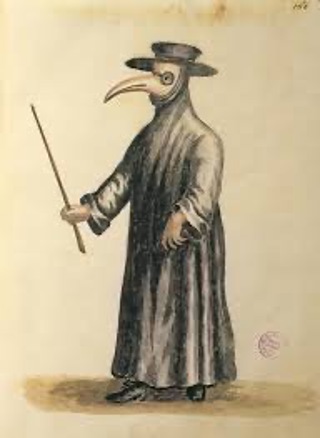
Podcast 579: Yersinia Pestis

Contributor: Don Stader, MD Educational Pearls: Yersinia Pestis is the bacteria that caused the black plague. It was first discovered to be the cause of the bubonic plague in 1800s in China during th...

20 Juli 20203min
Podcast 578: Brown-Sequard Syndrome

Podcast 578: Brown-Sequard Syndrome

Author: Eric Miller, MD Educational Pearls: Brown-Sequard Syndrome is a neurological deficit that results from hemisection of the spinal cord  This is usually from traumatic injury (blunt or penetrat...

14 Juli 20202min

Podcast 577:  Immunotherapies

Podcast 577: Immunotherapies

Contributor: Don Stader, MD Educational Pearls: Checkpoint inhibition normally helps our body detect abnormal cells and terminate it but cancerous cells often are able to avoid this countermeasure Mo...

13 Juli 20206min

UnfilterED #9: Dr. Steven Bradley

UnfilterED #9: Dr. Steven Bradley

Dr. Steven Bradley is an active duty U.S. Naval officer practicing as a Staff Anesthesiologist in Virginia where also resides on the Medical Ethics Committee for his hospital. He serves as the Anesthe...

8 Juli 202039min

Populärt inom Vetenskap

dumma-manniskor
svd-nyhetsartiklar
p3-dystopia
allt-du-velat-veta
kapitalet-en-podd-om-ekonomi
det-morka-psyket
rss-ufo-bortom-rimligt-tvivel
rss-vetenskapsradion
pojkmottagningen
sexet
rss-vetenskapsradion-2
dumforklarat
rss-broccolipodden-en-podcast-som-inte-handlar-om-broccoli
medicinvetarna
halsorevolutionen
bildningspodden
rss-experimentet
rss-spraket
hacka-livet
vetenskapsradion