Podcast 872: Preseptal and Orbital Cellulitis

Podcast 872: Preseptal and Orbital Cellulitis

Contributor: Meghan Hurley MD

Educational Pearls:

What is Cellulitis?

  • A common and potentially serious bacterial skin infection.

  • Caused by various types of bacteria, with Streptococcus and Staphylococcus species being the most common.

What is Preseptal Cellulitis and why is it more serious than facial cellulitis?

  • Preseptal Cellulitis, also known as Periorbital Cellulitis, is a bacterial infection of the soft tissues in the eyelid and the surrounding area.

  • This requires prompt and aggressive treatment to avoid progression into Orbital Cellulitis.

How is Preseptal Cellulitis treated?

  • Oral antibiotics for five to seven days.

  • In the setting of trauma (scratching bug bites) Clindamycin or TMP-SMX (for MRSA coverage) and Amoxicillin-clavulanic acid or Cefpodoxime or Cefdinir.

  • If there is no trauma, monotherapy with amoxicillin-clavulanic acid is appropriate.

  • Check immunization status against H.influenzae and adjust appropriately.

What is Orbital Cellulitis, how is it diagnosed, and why is it more serious than Preseptal Cellulitis?

  • Orbital cellulitis involves the tissues behind the eyeball and within the eye socket itself.

  • Key features include:

    • Eye pain.

    • Proptosis (Bulging of the eye out of its normal position).

    • Impaired eye movement.

    • Blurred or double vision.

  • This can lead to three very serious complications:

    • Orbital Compartment Syndrome. This can push eye forward, stretch optic nerve, and threaten vision.

    • Meningitis given that the meninges of the brain are continuous with optic nerve.

    • Endophthalmitis, which is inflammation of the inner coats of the eye. This can also threaten vision.

  • If suspected, get a CT of the orbits and/or an MRI to look for an abscess behind the eyes.

How is Orbital Cellulitis treated?

  • IV antibiotics. Cover for meningitis with Ceftriaxone and Vancomycin.

  • Add Metronidazole until intracranial involvement has been ruled out.

  • Drain the abscess surgically. Usually this is performed by an ophthalmologist or an otolaryngologist.

  • Admit to the hospital.

References

  1. Bae C, Bourget D. Periorbital Cellulitis. 2023 Jul 17. In: StatPearls [Internet]. Treasure Island (FL): StatPearls Publishing; 2023 Jan–. PMID: 29261970.

  2. Chaudhry IA, Shamsi FA, Elzaridi E, Al-Rashed W, Al-Amri A, Al-Anezi F, Arat YO, Holck DE. Outcome of treated orbital cellulitis in a tertiary eye care center in the middle East. Ophthalmology. 2007 Feb;114(2):345-54. doi: 10.1016/j.ophtha.2006.07.059. PMID: 17270683.

  3. Seltz LB, Smith J, Durairaj VD, Enzenauer R, Todd J. Microbiology and antibiotic management of orbital cellulitis. Pediatrics. 2011 Mar;127(3):e566-72. doi: 10.1542/peds.2010-2117. Epub 2011 Feb 14. PMID: 21321025.

  4. Wong SJ, Levi J. Management of pediatric orbital cellulitis: A systematic review. Int J Pediatr Otorhinolaryngol. 2018 Jul;110:123-129. doi: 10.1016/j.ijporl.2018.05.006. Epub 2018 May 8. PMID: 29859573.

Summarized by Jeffrey Olson MS2 | Edited by Meg Joyce & Jorge Chalit, OMSII

Avsnitt(1149)

Deep Dive #8: Wintertime Wilderness Medicine

Deep Dive #8: Wintertime Wilderness Medicine

Author: John Winkler, M.D. Dr. Winkler shares his knowledge of wilderness medicine and provides insight on how to prevent and treat conditions such as hypothermia, frostbite and sun blindness. More im...

18 Dec 201729min
Podcast #281: Intracranial Hemorrhage Treatment

Podcast #281: Intracranial Hemorrhage Treatment

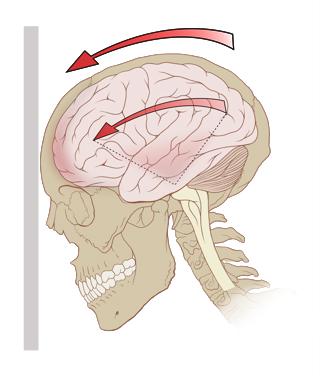
Podcast #281: Intracranial Hemorrhage Treatment Author: Don Stader, M.D. Educational Pearls Types of traumatic bleeds include subdural, epidural, and subarachnoid. Treatment for a traumatic bleed inc...

15 Dec 20172min

Podcast #280: Isolated Aphasia in Stroke

Podcast #280: Isolated Aphasia in Stroke

Author: Aaron Lessen, M.D. Educational Pearls Patients with an ischemic stroke from occlusion of the left middle cerebral artery often present with aphasia in addition to other neurological deficits....

11 Dec 20171min
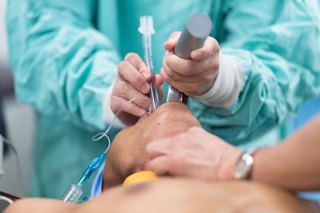
Podcast #279: Sedation After Intubation

Podcast #279: Sedation After Intubation

Author: Aaron Lessen, M.D. Educational Pearls Post-intubation care should always include pain control and adequate sedation. Commonly used sedation agents include propofol, ketamine and versed. Howev...

8 Dec 20171min
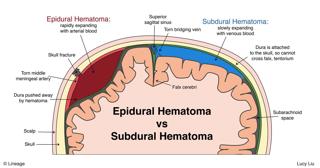
Podcast #278: Subdural Hematomas

Podcast #278: Subdural Hematomas

Educational Pearls Subdural hematomas can happen in the elderly because of brain atrophy, and can manifest with neurological deficit. Subdural hematomas are caused by rupture of the bridging veins of...

6 Dec 20172min
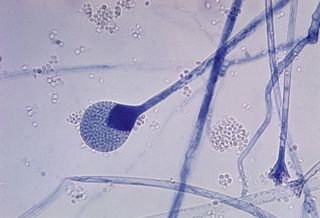
Podcast #277: Mucor

Podcast #277: Mucor

Author: Don Stader, M.D. Educational Pearls Mucor/Rhizopus fungal infections usually present in diabetic or immunocompromised patients as a black, necrotic lesion on the face. The fungus invades the ...

4 Dec 20172min
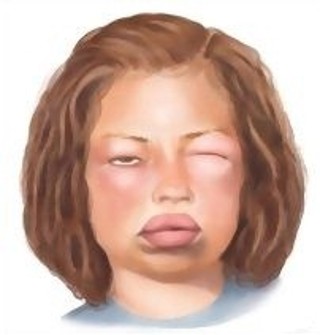
Podcast #276: Angioedema

Podcast #276: Angioedema

Author: John Winkler, M.D. Educational Pearls Angioedema is immediately life-threatening due to airway obstruction. Mechanisms include allergic reaction (histamine-related) or bradykinin-related (ACE...

1 Dec 20173min
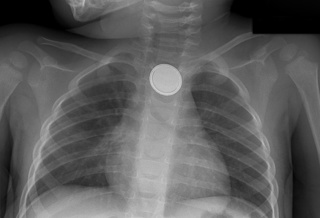
Podcast #275: Battery Ingestions

Podcast #275: Battery Ingestions

Author: Nick Hatch, M.D. Educational Pearls Unlike coin ingestions, button batteries can cause necrosis of the GI tract. If lodged in the esophagus, removal within 2 hours is important, because they ...

29 Nov 20174min

Populärt inom Vetenskap

dumma-manniskor
p3-dystopia
svd-nyhetsartiklar
allt-du-velat-veta
kapitalet-en-podd-om-ekonomi
rss-vetenskapsradion-2
medicinvetarna
det-morka-psyket
rss-vetenskapsradion
rss-ufo-bortom-rimligt-tvivel-2
sexet
bildningspodden
rss-experimentet
hacka-livet
paranormalt-med-caroline-giertz
dumforklarat
halsorevolutionen
rss-spraket
vetenskapsradion
rss-geopodden-2